How Celebrity Off-Duty Sneaker Style Rewrites Modern Wardrobe Rules
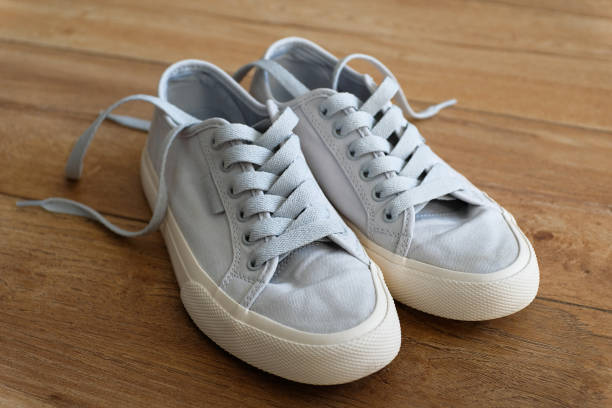
The most persuasive sneaker endorsement no longer arrives through a glossy campaign or a staged red-carpet moment. It appears in a blurry paparazzi shot, a casual sidewalk capture, or a short backstage clip: a famous musician in worn-in high-tops, an actor in clean white low-tops with tailored trousers, or an influencer pairing chunky runners with a slip dress. These off-duty images carry a different kind of authority than polished advertising. They suggest that the sneaker is not simply a product being promoted but a real choice made under ordinary conditions. That perception is why celebrity and influencer sneaker style has become one of the most powerful forces in contemporary fashion, shaping not only what people buy but how they assemble an entire look.
Off-duty styling has become the modern equivalent of the fashion editorial. The setting is a coffee run, an airport terminal, a studio exit, or a street corner after a workout. Because the context feels unforced, viewers study the details more closely: the ratio of baggy denim to slim sneaker, the contrast between a relaxed hoodie and a structured blazer, the deliberate flash of a bright sock, the way a vintage trainer signals taste without seeming too eager. Celebrities who once saved their most expressive footwear for events now use sneakers to create relatability. A pair of beat-up canvas shoes can make a luxurious coat feel approachable; a limited-edition runner can make a simple outfit feel insider. The sneaker becomes the hinge that balances aspiration and accessibility.
The formula is deceptively simple, which is exactly why it travels so quickly. A well-known figure steps out in a neutral outfit and a distinctive sneaker. Within hours, fan accounts identify the model, stylists break down the proportions, and retailers report spikes in searches. Influencers then translate the look for different budgets and body types, demonstrating how the same sneaker works with wide-leg pants, cycling shorts, midi skirts, or relaxed suiting. This translation process is crucial. Celebrity style provides the spark, but influencer culture provides the instruction manual. It turns a single moment into a repeatable wardrobe idea, and repetition is what turns a trend into a habit.
What makes this cycle especially influential is its flexibility. Sneaker-led celebrity style no longer belongs to one aesthetic. It can be minimal and monochrome, with a crisp leather sneaker anchoring a quiet, tailored outfit. It can be nostalgic, with retro basketball silhouettes and vintage branding evoking an earlier era of hip-hop and sports culture. It can be performance-driven, with technical running shoes worn with everyday clothing as a signal of movement and efficiency. It can also be deliberately messy, where scuffed soles and unlaced laces suggest creative indifference. Because the sneaker can absorb so many meanings, it allows celebrities and influencers to shift personas without changing their entire wardrobe. The same person can appear polished in one image and rebellious in the next, with footwear doing much of the narrative work.
The retail effect is equally telling. When a high-profile figure wears a less obvious sneaker, resale prices can climb before the average consumer even recognizes the model. Brands benefit from this halo effect, but so do smaller labels and independent designers, whose shoes may be selected precisely because they look unfamiliar. Social media has shortened the distance between spotting and shopping. Links, tags, and comment sections collapse discovery into desire. Yet the most durable influence is not rooted in scarcity alone. It is rooted in styling intelligence. A sneaker that looks compelling on a celebrity is often compelling because it has been placed in contrast: a technical shoe with a feminine dress, a bulky shoe with cropped tailoring, a minimalist shoe with layered streetwear. The shoe alone is not the statement; the tension around it is.
The long-term lesson for anyone building a wardrobe is that celebrity and influencer sneaker style rewards observation over imitation. The useful question is not simply which sneaker a famous person wore, but why the combination worked. Was it the color echoing elsewhere in the outfit? The proportion creating balance? The clash between formal and athletic codes? Once those principles are understood, the specific pair matters less. A person can apply the same logic with what is already in the closet or with a more accessible alternative. That is the real influence of famous sneaker style: it teaches consumers to read an outfit as a set of decisions, then make those decisions their own.