Yeezy Boost 350: The Silhouette That Rewrote Sneaker Culture
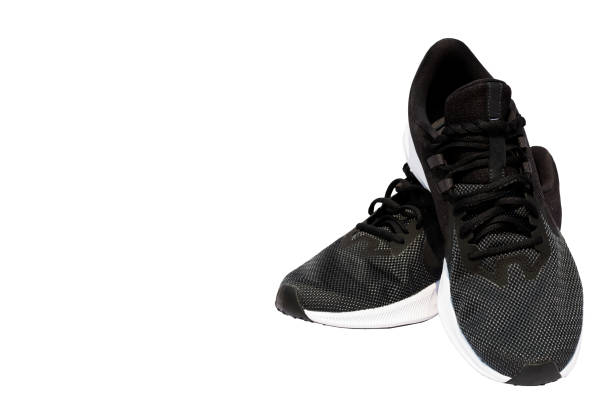
The Yeezy Boost 350 arrived at a moment when sneaker design was beginning to blur the line between performance and fashion. Its impact was immediate not because it shouted for attention but because it refused to follow familiar basketball-shoe proportions. The low-cut profile Primeknit upper and full-length Boost cushioning created a shape that felt organic almost sock-like and unlike anything sitting on shelves at the time. What could have been a niche collaboration became a cultural reset. The 350 did not simply add another hyped release to the calendar; it changed how designers retailers resellers and wearers thought about what a modern sneaker could be.
At the heart of the silhouette is a study in reduction. The upper wraps the foot with a woven texture that suggests motion even when standing still. A side panel cutout and a sculpted midsole give the shoe a recognizable rhythm without heavy branding. Earlier sneaker icons often relied on bold logos visible technology or basketball heritage. The 350 moved in another direction: quiet texture neutral tones and comfort as a visible design language. That restraint made the shoe adaptable. It worked with streetwear minimal fashion and everyday casual outfits which widened its audience beyond traditional sneaker collectors.
Boost cushioning was central to the story. The technology had already earned respect in running footwear but the 350 placed it inside a lifestyle silhouette with cultural weight. Wearers felt the difference underfoot and that comfort helped justify the shoe’s place in daily rotation rather than in a display case. The combination of a soft ride and a fitted upper made the 350 feel personal. Over time the silhouette became a canvas for colorway experiments from earthy tones and muted greys to translucent stripes and regional exclusives. Each variation offered a new mood while preserving the same recognizable form.
The release model amplified the impact. Limited drops online queues raffles and rapid sellouts turned the 350 into an event. Hype was not accidental; it was engineered through scarcity and anticipation. But the consequences reached further than the shoe itself. The 350 helped normalize resale culture as a mainstream topic pushed retailers to rethink release mechanics and made authentication and provenance central concerns for collectors. Sneaker communities grew more global and more fluent in drop calendars market values and early looks. The silhouette became a shared reference point a shoe that could be recognized from across the street even when its branding was subtle.
Its fashion crossover was equally significant. The 350 did not look like a conventional athletic shoe and that was the point. It paired naturally with tapered denim oversized layers and the evolving streetwear uniform of the mid-2010s. Designers outside sneakers took notice. The sock-like fit and sculpted sole suggested that footwear could be simultaneously casual and forward. Copycat silhouettes appeared quickly but few captured the same balance of comfort scarcity and cultural narrative. The 350 proved that a sneaker could be a fashion object without abandoning wearability.
The silhouette also changed collector behavior. Complete sets early colorways and regional releases became markers of dedication. Care guides matter more when Primeknit can stain and midsoles can yellow so ownership became a practice of maintenance as much as display. Community knowledge around sizing cleaning storage and authentication became part of the culture. The 350 encouraged collectors to think about longevity not just the next drop. That shift helped move sneaker enthusiasm toward curation and preservation values that sit at the core of any hall of fame.
Years later the Yeezy Boost 350 remains a benchmark because it changed both design and behavior. It showed that comfort could be luxurious that minimal branding could be more powerful than a loud logo and that a release strategy could shape an entire market. It also demonstrated how a single silhouette can move from hype object to modern classic. The shoe’s legacy is not only in its sales or sellouts but in the way it taught the industry to value texture wearability and cultural timing. For a generation of wearers the 350 is not just an iconic model; it is a turning point in how sneakers are designed collected and understood.