How Different Sneaker Models Fit: The Truth About Sizing Variability
The most persistent myth in sneaker culture is that a size ten is a size ten. Anyone who has owned more than three pairs knows this is dangerously false. A size ten in a classic Nike Air Force 1 feels cavernous, while the same size in a Adidas Ultraboost feels snug enough to pinch. This variability is not a manufacturing flaw but a matter of design intent, last shape, and intended purpose. Understanding these differences is essential for anyone buying sneakers online, where return policies are a gamble and foot measurements are often guesswork.
Running shoes are the most notorious offenders when it comes to sizing inconsistencies. The reason lies in the last, the three-dimensional mold around which the upper is constructed. A running shoe last is designed to accommodate a foot during forward motion, when it naturally elongates and spreads under impact. That means most running models require a half size up from your everyday street shoe. The Nike Pegasus, for instance, fits true to length but runs narrow in the midfoot. Runners with wide feet often complain about pinky toe pressure even in a full size up. The Adidas Ultraboost runs notoriously small, with many wearers needing a full size larger due to its tight, sock-like fit. Meanwhile, ASICS GEL-Kayano features a more generous toe box and a more consistent length, allowing many buyers to stay at their true Brannock size. These differences are not random; they arise from each brand’s target foot shape and the cushioning platform underfoot. Thick, responsive foam takes up volumetric space inside the shoe, meaning that a model with high cushioning often feels shorter and tighter than a firmer, lower-profile trainer of the same nominal size.
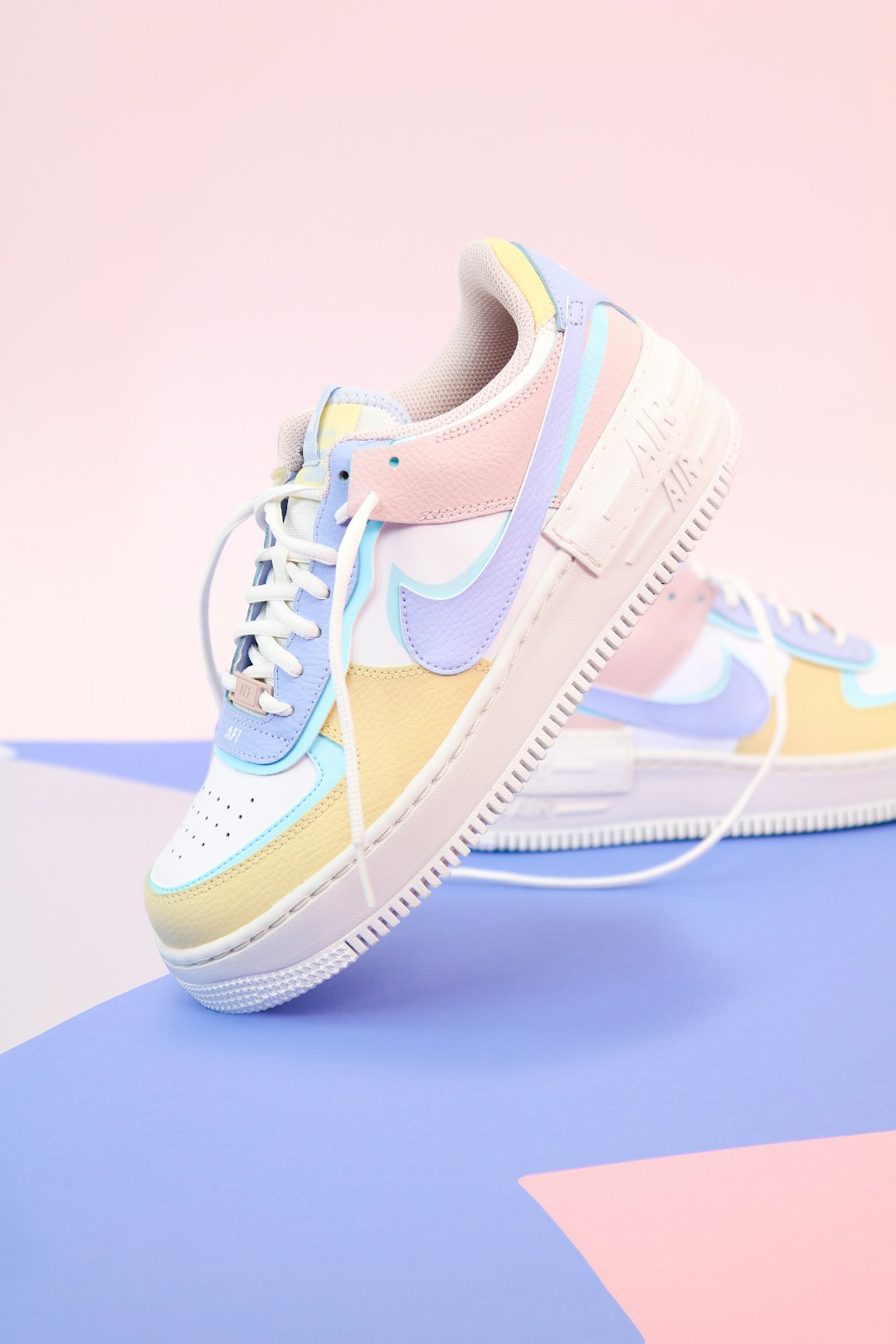
Lifestyle sneakers present a different but equally confusing puzzle. Air Force 1s are built on a high-volume last that leaves extra room in the toe box and instep, so sizing down a half size is common advice. Converse Chuck Taylors run a full size large, but their narrow, pointed toe box means people with wide feet must size up instead, creating a frustrating paradox. New Balance 990 series offers something rare: a true-to-size fit with multiple width options. This is because New Balance has always prioritized customization and fit over sleek aesthetics, using a broader last that accommodates natural foot spread. On the other hand, many European fashion sneakers from brands like Common Projects or Axel Arigato use slim, low-profile lasts that run slightly small, forcing a size up for comfort even though the leather upper will stretch over time. The material matters too. A canvas upper like that on a Vans Authentic will not give much, so a snug fit can become painful after an hour of walking, while a knit or mesh upper like that on a Nike Flyknit Racer adapts to the foot and can be worn true to size despite an initially tight feel.
The most reliable method for navigating this chaos is to measure your foot properly. At the end of the day, when feet are at their largest, place your heel against a wall and mark the longest toe. Measure both feet and use the larger one. Then, for each new model, research how that brand’s last compares to your own foot shape. If you have a wide forefoot, avoid narrow Nike lasts and look toward ASICS, New Balance, or brand-specific wide options. If you have a low instep, high-volume shoes like Air Force 1s will feel uncontrollably loose. Another key test is the thumb’s width of space between your longest toe and the front of the shoe. In running shoes, you need that full thumb, but in lifestyle sneakers a half to three-quarters of an inch is often better for a locked-in feel. Heel slip is trickier: some slipping is normal in new shoes, but excessive heel lift usually indicates a half size too big or a heel counter that does not match your foot.
Ultimately, sizing is a personal and physical negotiation between your unique anatomy and every model’s intended geometry. There is no universal chart that solves everything. What works for a friend with the same stated shoe size may fail for you because of volume, width, arch height, and even sock thickness. The only true way to know is to try on, but when buying online, order two half sizes and return the one that does not fit. Read every sizing guide, but treat them as starting points rather than gospel. Once you internalize that a sneaker’s size is just a loose approximation, you will stop fighting your feet and start finding shoes that actually run with you, not against you.
Articles