How Retro Running Sneakers Elevate Modern Smart-Casual Outfits
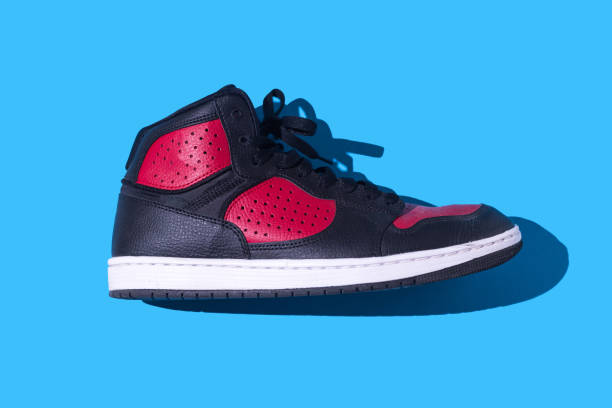
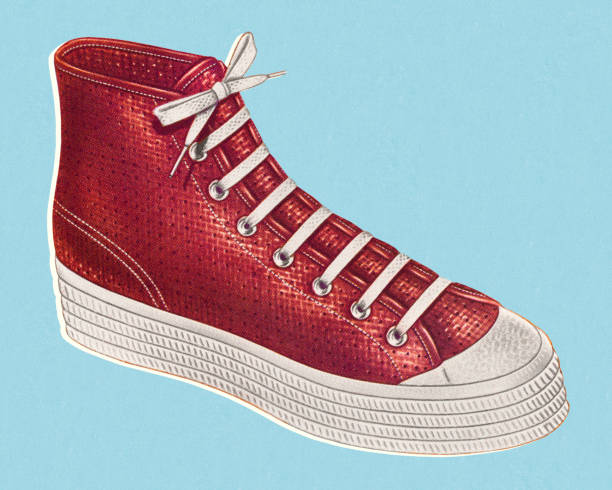
Retro running sneakers have moved from track to street. Their chunky soles, mesh panels, suede overlays, and visible cushioning once read as pure performance. Now they are the pivot point of modern smart-casual dressing. The appeal lies in contrast: athletic volume against tailored lines, nostalgic color against neutral layers, comfort against polished structure. A pair of Air Max 90s, Gel-Kayano 14s, or New Balance 990s can make a blazer feel less rigid and a pleated trouser feel more relaxed. The goal is not gym-ready, but to use the shoe’s history as texture, color, and comfort.
Start with proportion. Retro runners are often visually heavier than slim leather sneakers, so that weight needs balance. A straight-leg or slightly relaxed trouser works better than a skin-tight silhouette because it creates a clean column that meets the shoe without bunching. Cropped wide-leg pants can also work if the hem skims the top of the shoe rather than swallowing it. Denim should follow the same logic: straight, loose, or gently tapered, with a hem that breaks once or not at all. When pants are too narrow or too wide and long, the outfit loses shape. The sweet spot is deliberate, controlled volume.
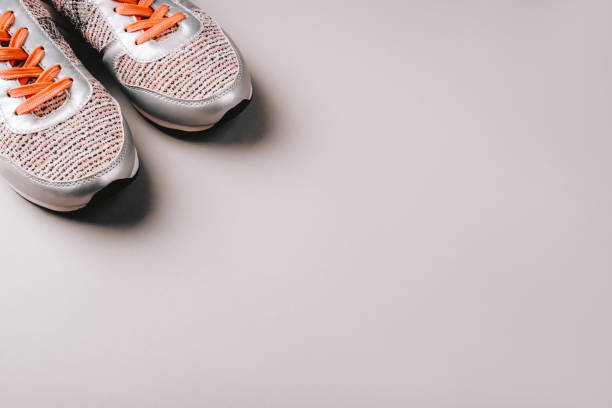
Color is the next tool. Many vintage running models already carry bold panels, gradients, and color blocking, so the rest of the outfit can either amplify or quiet them. For a modern, wearable look, build around neutral foundations: charcoal wool, stone canvas, washed black denim, cream knitwear, olive cotton. Let the sneaker provide the energy. If the shoe is silver and red, a gray overcoat and black trousers let it pop. If the shoe is tonal cream and tan, add texture with a ribbed sweater or brushed flannel. Matching every color exactly can look dated. Instead, pick one accent from the shoe and echo it subtly in a cap, sock, bag, or scarf.
Fabric matters as much as color. Retro runners are synthetic, mesh-heavy, and cushioned, so they respond well to natural textures that add warmth and maturity. Wool trousers, heavy cotton tees, corduroy overshirts, denim jackets, and merino socks create useful friction. The shoe feels sporty; the clothing feels lived-in. This combination is central to contemporary retro running style. This is why they work in autumn and spring, when comfort and layering matter most. They can handle a long walk, a commute, a coffee meeting, and an evening meal without demanding a change of shoes.
Socks deserve special attention. Ankle socks keep the look clean and slightly retro in a 1990s way. Crew socks, especially in white or a color pulled from the shoe, push the outfit toward contemporary street style and can bridge the gap between shorts and cooler weather. A safe rule is to let the shoe lead. If the sneaker is loud, keep socks simple. If the sneaker is subtle, socks can add a small graphic or texture. The sock line also affects how the leg reads. A visible crew sock can make cropped trousers feel intentional instead of accidental.
Outerwear shapes the final message. A technical jacket, trench coat, varsity jacket, or relaxed suit jacket can all pair with retro runners if the proportions agree. Long coats look especially good because they create a vertical line that balances the shoe’s horizontal bulk. Short, boxy jackets need wider trousers to avoid looking top-heavy. A tailored blazer with straight-leg jeans and a vintage runner is one of the most reliable smart-casual formulas. It signals ease, taste, and familiarity with sneaker culture without trying too hard.
Accessories complete the story. A simple watch, canvas tote, leather crossbody, or baseball cap can reinforce the blend of sport and polish. Avoid too many athletic signifiers at once. If the shoes are performance-inspired, the rest of the outfit does not need a track jacket, gym shorts, and a sweatband. One sporty element is usually enough. The modern appeal of retro running style is its flexibility. It can be dressed up with wool and leather, dressed down with denim and fleece, or made technical with nylon and fleece. The best outfits feel personal, not costume-like. They respect the shoe’s history while letting it live in the present.
Articles