The Essential Guide to Basketball Sneakers: High-Tops for Ankle Support and Grip
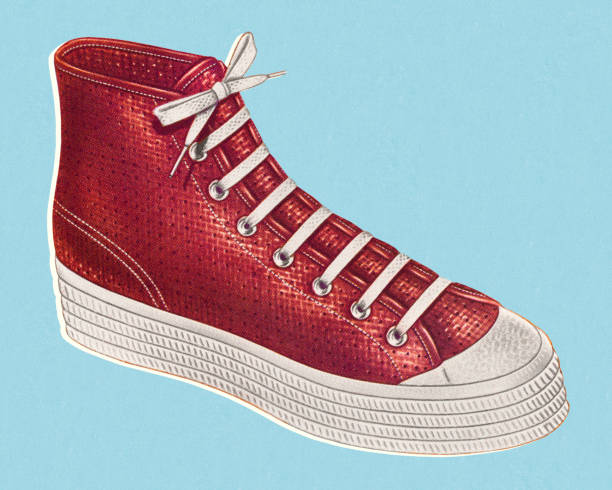
Basketball sneakers are engineered tools, not casual fashion statements. Their design is a direct response to the sport’s brutal physical demands: explosive lateral cuts, sudden stops, and high-impact landings. At the core of this functional design are two non-negotiable pillars: ankle support and court grip. For players at any level, understanding how a sneaker addresses these elements is the difference between performance and injury, between a made jumper and a slip on the drive.
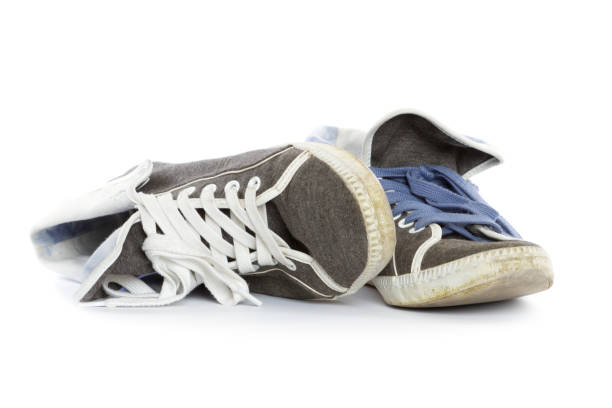
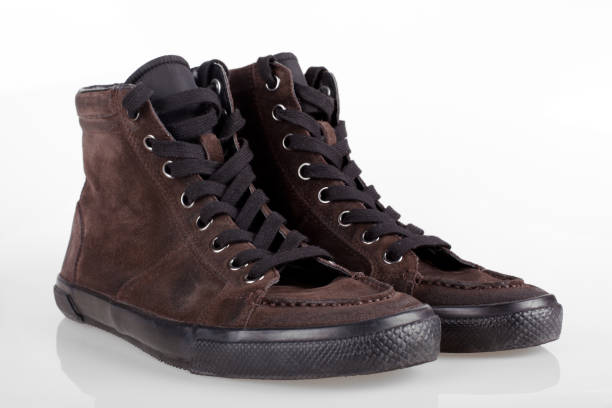
The high-top silhouette is the most recognizable feature of a traditional basketball shoe, and its purpose is singular: to stabilize the ankle. The basketball court is a minefield of potential rolls and sprains. When a player jumps and lands, often on another player’s foot, the ankle can buckle. A high-top collar, typically padded and structured, acts as a physical barrier. It restricts the ankle’s range of motion in dangerous directions, particularly the inward roll that causes common sprains. This isn’t about immobilization; it’s about guided support. Modern iterations use a combination of materials—stiff molded counters at the heel, flexible yet supportive foams around the collar, and internal straps or wings that lock the midfoot down. The goal is to make the foot, ankle, and lower leg work as a single, stable unit. While low-tops offer greater freedom of movement and have been adopted by some professionals, the high-top remains the default choice for maximum protection, especially for players who rely on power or have a history of ankle issues.
If ankle support prevents injury, grip creates the foundation for all offensive and defensive action. Traction is the interface between athlete and hardwood. Without it, the most advanced cushioning and support are irrelevant. The outsole pattern is the critical technology here. Herringbone, a zigzag pattern, is the timeless and most reliable design. It provides multi-directional grip, biting into the court whether pushing forward, sliding laterally, or backpedaling. Modern outsoles experiment with concentric circles, hexagonal patterns, and blade-like nodes, all aiming to channel dust away and maintain clean rubber-to-floor contact. The rubber compound itself is a science. It must be sticky enough to grip but durable enough to withstand the abrasive court surface. A squeak on a hard stop is the sound of effective traction, a sign the shoe is doing its primary job.
Beyond the collar and the outsole, the construction of a basketball sneaker integrates these features into a cohesive system. Support starts from the ground up with a torsional shank—a rigid plate in the midsole that prevents the shoe from twisting unnaturally during cuts. The cushioning technology, whether air units, foam, or a combination, is tuned for impact absorption and responsive return, keeping legs fresh and protecting joints. The upper materials, from leather and synthetic overlays to modern knit and mesh, must balance lockdown, durability, and breathability, all while working in concert with the lacing system to secure the foot firmly within the supportive chassis.
For the sneaker enthusiast, appreciating a basketball model goes beyond its colorway or athlete association. It’s about recognizing the purpose behind the design. The iconic Air Jordan 1 high-top wasn’t just a style revolution; its ankle collar and cupsole construction offered serious support for its era. Later legends like the Air Jordan XI and the Nike Air Force 1 High built upon this principle, integrating support into their identity. At Sneakerholic, we dissect these designs with respect for their intent. A basketball sneaker is a piece of specialized equipment where every line, seam, and material choice is dictated by performance. The high-top is a shield, the outsole is a claw, and together they form the essential foundation for the game. Choosing the right pair means prioritizing these functional elements above all else, because on the court, there is no room for nonsense.
Articles