How to Deodorize Well-Worn Sneakers: Natural Powders, Moisture Control, and Smarter Daily Habits
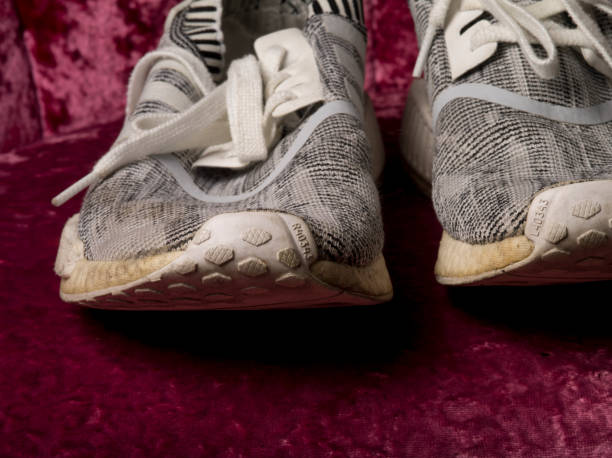
Few things undermine the satisfaction of a well-loved sneaker quite like the sharp smell that appears after a long day. Sneaker odor is not simply a cosmetic nuisance; it is a sign that moisture, warmth, and micro-organisms have settled into the shoe’s upper, lining, and insole. Sweat itself is mostly odorless. The smell develops when bacteria break down sweat and dead skin cells, especially in enclosed spaces. Well-worn pairs are more vulnerable because compressed cushioning, stained insoles, and frayed linings hold onto debris and moisture. Effective deodorizing therefore begins with understanding that freshness is less about masking a smell and more about interrupting the conditions that create it. A pair that is allowed to dry thoroughly, cleaned regularly, and treated with absorbent materials will stay fresher longer than one repeatedly sprayed with heavy fragrance.
The first line of defense is moisture management. After wear, sneakers need air, not a dark closet or a gym bag. Loosen laces, pull the tongue forward, and remove insoles when possible so air can move through the shoe. Stuffing shoes with newspaper or dry paper towels can draw out surface dampness, but the paper should be changed once it feels soft. Avoid direct heat from radiators, space heaters, or tumble dryers, because high temperatures can warp adhesives, crack leather, and shrink synthetic mesh. A cool, dry spot with decent airflow is safer. Rotating pairs is equally important. Giving each pair a full day to dry prevents the warm, humid interior that odor-causing bacteria prefer. Moisture-wicking socks and clean feet further reduce the raw material those bacteria need.
Natural powders are among the most practical deodorizing tools. Baking soda is inexpensive and effective because it absorbs moisture and helps neutralize acidic odors. A light dusting inside each shoe, left overnight and shaken out or vacuumed in the morning, can refresh a mildly worn pair. For a stronger treatment, combine baking soda with a small amount of cornstarch, which also absorbs dampness, and place it in a breathable pouch or sock inside the shoe. Activated charcoal works differently: its porous surface traps odor molecules rather than simply covering them. Charcoal sachets can be reused after airing in sunlight, making them useful for shoes worn frequently. Silica gel packets, often found in packaging, can also help in a pinch, though they should be kept away from children and pets.
For deeper odor, a diluted white vinegar solution can be wiped sparingly inside the lining and insole, then allowed to dry completely. Vinegar’s acidity helps disrupt odor-causing bacteria, but the shoe must not be soaked, particularly leather or suede. A solution of water and a little rubbing alcohol can be used on removable insoles or wipeable linings, again with care and proper drying. Avoid drenching any shoe; excess liquid can feed mold and damage materials. If the insole is removable and washable, follow the manufacturer’s instructions, and never put a delicate or glued insole through a rough machine cycle. For leather, suede, and other sensitive materials, spot treatment with a cloth is safer than saturation.
Daily habits matter as much as treatments. Wear sneakers only after feet and socks are completely dry. Let shoes air out before storing them, and avoid piling damp pairs together. Sprinkle a little baking soda into shoes after especially sweaty wears, then shake it out before the next use. Keep a charcoal sachet or cedar shoe tree inside shoes between wears; cedar adds a pleasant scent and helps absorb moisture, though it should not replace thorough drying. Wash removable insoles periodically, replace worn ones when they become cracked or permanently odorous, and clean the interior lining with a soft brush or cloth. For canvas and mesh, a gentle hand wash followed by thorough air drying can reset a pair that has become consistently sour.
Freshness for well-worn sneakers is ultimately a routine, not a single miracle product. The best deodorizing plan combines moisture control, absorbent natural materials, occasional cleaning, and sensible wearing habits. Treat odor as a signal that the shoe needs air, dryness, and a reset. With consistent care, even favorite pairs that have logged serious miles can remain wearable, comfortable, and socially acceptable. The goal is not to hide the evidence of use but to keep the shoe’s interior healthy and dry enough that odor never gains a foothold.