How to Properly Apply Waterproofing Spray to Keep Sneakers Dry Without Damaging Them
A sudden downpour can turn a pristine pair of sneakers into a soggy, stained disappointment in minutes. The instinct to grab a can of waterproofing spray and douse the entire shoe is understandable, yet this approach often causes more harm than good. Many enthusiasts believe that more product equals more protection, but the reality is far more nuanced. Proper application of waterproofing spray is a delicate process that depends on material type, spray formulation, and environmental conditions. Understanding the correct technique ensures that sneakers remain dry without sacrificing breathability, texture, or structural integrity.
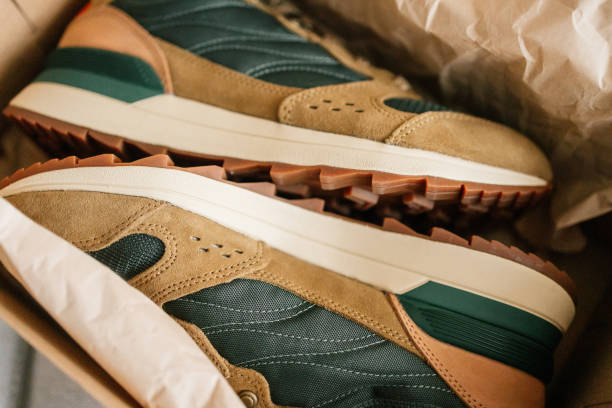
The first and most critical step is identifying the sneaker’s upper material, as different substances react differently to chemical coatings. Leather sneakers, whether smooth, nubuck, or patent, benefit from sprays specifically designed for natural hides. Silicone-based sprays create a strong barrier but can darken leather permanently, so an alcohol-based or fluoropolymer formula is often preferable for maintaining original color. Suede and nubuck require extra caution because their porous, fibrous surfaces absorb moisture unevenly. A spray labeled for suede must be applied in very light, even coats to prevent stiffening or staining. Mesh and knit uppers, common on modern performance and lifestyle sneakers, are the most forgiving but still demand careful attention to avoid saturating the fabric’s internal foam or padding, which can lead to mildew.
Before any spray touches the shoe, thorough cleaning is nonnegotiable. Dirt, dust, and oils prevent the waterproofing agent from bonding to the material, causing it to bead up and run off rather than forming a uniform layer. Use a soft brush or microfiber cloth to remove surface debris, then allow the sneakers to dry completely. Any residual moisture trapped in the material will vaporize under the spray’s solvent, creating bubbles that compromise the coating’s integrity. For heavily soiled sneakers, a gentle cleaning solution or sneaker-specific foam might be necessary, but never apply waterproofing spray to damp shoes.
The application environment also plays a pivotal role. Outdoor spraying is ideal because the open airflow helps disperse volatile organic compounds and prevents overspray from pooling. Avoid windy days, however, as gusts can blow the spray unevenly onto the shoe or onto unintended surfaces. Indoor application is possible but requires good ventilation—open windows or a fan directed away from the sneakers—to avoid inhaling fumes. Temperature matters too; most sprays work best between fifty-five and seventy-five degrees Fahrenheit. Cold temperatures cause the aerosol propellant to lose pressure, resulting in sputtering, while excessive heat makes the solvent evaporate too quickly, leaving pinholes in the protective layer.
Holding the can at the correct distance is perhaps the most overlooked detail. Manufacturers typically recommend six to eight inches from the surface. Closer than that saturates the material with liquid, leading to drip marks and an overly thick coating that cracks when the shoe flexes. Farther away wastes product and fails to deposit enough active ingredient. A steady, sweeping motion across each panel of the sneaker ensures uniform coverage. Concentrate on high-wear areas like the toe cap, heel counter, and side panels, but avoid spraying the tongue’s inner lining or the insole, as those areas rely on breathability to wick perspiration away from the foot.
Multiple thin coats produce far superior results compared to one heavy application. After the first light layer, allow the spray to cure completely—usually thirty minutes to an hour, depending on the product and humidity. Humidity slows evaporation, so in damp conditions extend the drying time. Apply a second thin coat perpendicular to the first, crossing the lines of spray to fill any gaps. Some premium formulations recommend a third coat for maximal protection, especially on sneakers worn in heavy rain. The final drying period should be at least twenty-four hours before wearing the shoes. Rushing this step is the leading cause of waterproofing failure; the coating needs time to bond molecularly with the material fibers.
After the curing period, test the waterproofing by sprinkling a few drops of water onto a discreet area. Properly applied spray will cause the water to bead up and roll off like mercury on a smooth surface. If the water soaks in immediately, the sneaker has not been adequately protected, and you may need to repeat the process. However, if you notice a white residue forming on dark materials after the spray dries, you have over-applied. This residue is excess spray that did not penetrate the material; it can be lightly brushed off or removed with a damp cloth, but persistent residues may indicate an incompatible product.
Regular reapplication is necessary because waterproofing sprays wear off with abrasion, flexing, and repeated exposure to water. For everyday sneakers, one application per month during rainy seasons is reasonable, but heavy rain or frequent street contact may require every two weeks. Always test a small patch before reapplying to ensure the existing coat is fully intact rather than building up multiple layers that could clog pores and cause the material to stiffen over time.
Environmental awareness extends beyond application technique. Waterproofing sprays contain chemicals that can harm aquatic life and contribute to air pollution. Choose formulations that are water-based or use fluorinated compounds with lower environmental persistence, and always dispose of empty cans according to local hazardous waste guidelines. Some sneaker care brands now offer pump sprays instead of aerosols, reducing both waste and chemical release.
Mastering the art of applying waterproofing spray transforms a reactive panic into proactive protection. A well-coated sneaker withstands not only rain but also minor spills, morning dew, and slushy puddles, extending its lifespan and preserving its appearance. The goal is not to seal the shoe in an impermeable plastic shell but to create a durable, breathable shield that repels water while allowing the material to maintain its original character. With patience, the right technique, and a respect for the material’s limitations, any sneaker enthusiast can keep their collection dry through the wettest months without sacrificing style or comfort.
Articles