The Unworn Asset: A Practical Guide to Deadstock Preservation
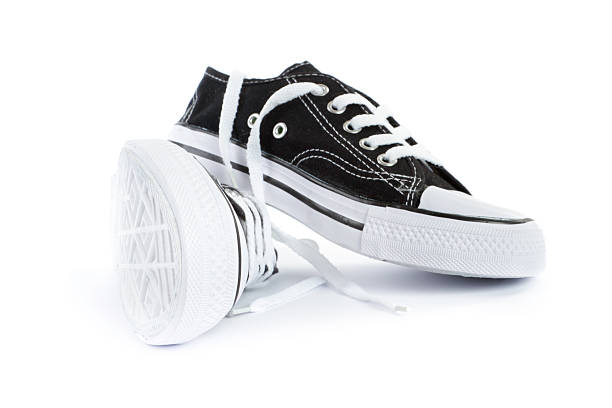
Deadstock preservation is not about sentimentality; it is a calculated discipline. For the serious collector, maintaining a sneaker in its original, unworn condition is the single most critical factor in protecting its financial value and historical integrity. This is not hoarding. This is the deliberate act of freezing a cultural artifact in time, ensuring its story remains untarnished for future appraisal, whether that appraisal happens on a stock market-like resale platform or in the hushed reverence of a personal archive. At Sneakerholic, we understand that this practice sits at the core of modern collector culture, bridging the gap between personal passion and tangible asset management.
The foundation of deadstock preservation is environmental control. The enemy is a triumvirate: light, humidity, and oxygen. Ultraviolet light, whether from the sun or harsh indoor lighting, is a pigment killer. It will fade once-vibrant colors to dull pastels and degrade materials irreversibly. The solution is total darkness. Store boxes in a cool, dark closet or dedicated storage space, never on open shelving exposed to room light. Humidity is a silent destroyer. It promotes mold growth on organic materials like leather and canvas and causes the milky-white sole separation known as “sole rot” or hydrolysis. Aim for a consistent, climate-controlled environment around 40-50% relative humidity. Oxygen leads to oxidation, the yellowing of midsoles and clear outsoles. While this process is often inevitable over decades, its progress is drastically slowed by limiting air exposure. This is why the original box is not just packaging; it is the first layer of a controlled atmosphere.
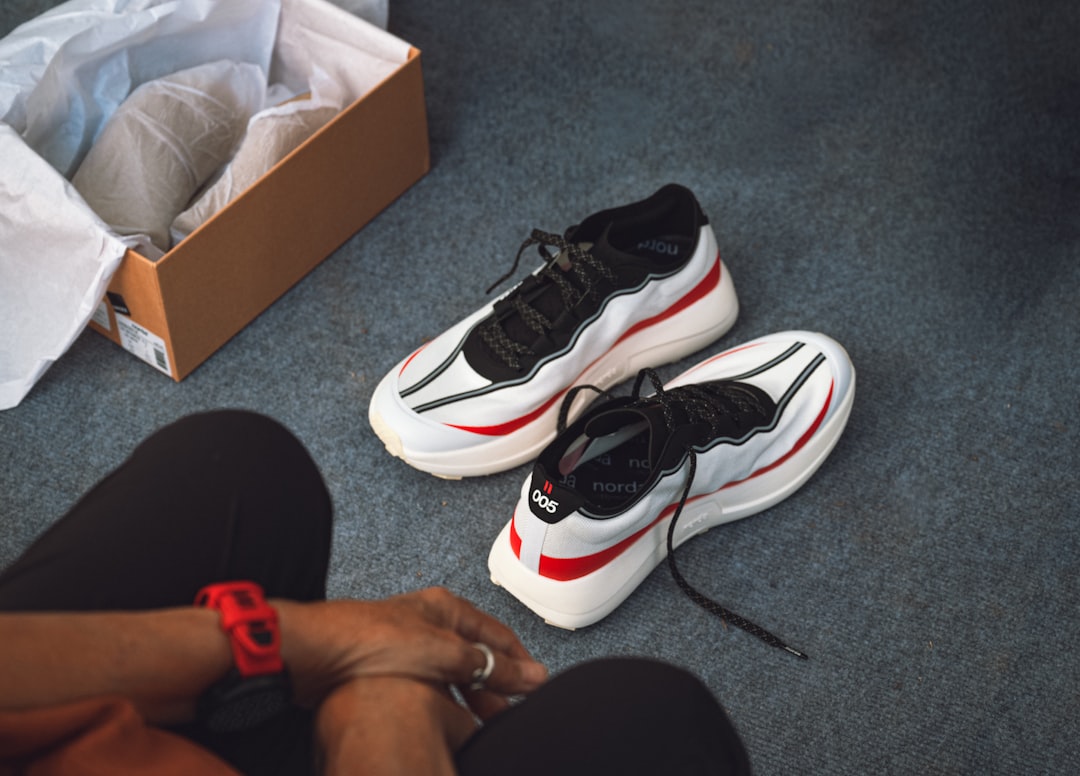
Handling the sneaker itself requires a protocol. The moment a deadstock pair leaves its factory lacing, its preservation demands respect. Always handle with clean, dry hands, preferably with cotton gloves to prevent oils from your skin from transferring to the materials. If you must inspect the shoe, do so over a soft, clean surface. Never force a sneaker to flex or bend to examine details; this can create permanent creases in foams and linings that have never been broken in. The original tissue paper, while iconic, is acidic and can stain over long periods. For true long-term archival storage, replace it with acid-free tissue paper. Silica gel packets are your allies. Place several in the shoebox to absorb any ambient moisture, but ensure they do not directly touch the sneaker’s materials.
Understanding why this rigor matters connects directly to the resale market and community standing. In the hyper-transparent world of online resale, condition is everything. “Deadstock” is a specific, non-negotiable term meaning brand-new, unworn, with all original components. Any deviation—a tried-on fit, a scuffed box, missing hang tags—moves the item into “New With Defects” or “Pre-Owned” categories, triggering a significant devaluation. Your meticulous preservation is what validates your listing and commands premium prices. Beyond economics, it commands respect. Within the Sneakerholic community, a perfectly preserved grail is a shared object of study and admiration. It serves as a reference point for design details, color accuracy, and manufacturing history that worn pairs cannot provide. Your archive contributes to the collective knowledge base.
Ultimately, deadstock preservation is a commitment to the future. It is the acknowledgment that these objects are more than footwear; they are time capsules of design, sport, and street culture. The discipline required—controlling the environment, handling with care, respecting the original state—is what separates the casual buyer from the custodian collector. It is a practice that ensures the story of a sneaker remains precisely as it left the factory: pristine, perfect, and full of potential. This is the uncompromising standard of preservation, and it is what sustains both the value and the legacy of the culture itself.
Articles