
Collector Culture, Resale, and Community
Interviews: Designers, Collectors, and Industry Insiders




Frequently asked questions
What role does materials innovation play in modern sneaker design?
Materials innovation drives performance, sustainability, and aesthetics. Technical fabrics enhance breathability and weight, while new foams revolutionize comfort and energy return. Sustainability pushes brands toward recycled polyester, plant-based leathers, and regenerative rubber. Aesthetically, experiments with translucent meshes, 3D-printed elements, and unexpected textiles (like Gore-Tex or corduroy) create unique visual identities and storytelling, making materials a central character in a sneaker’s narrative.
What makes a sneaker design “timeless”?
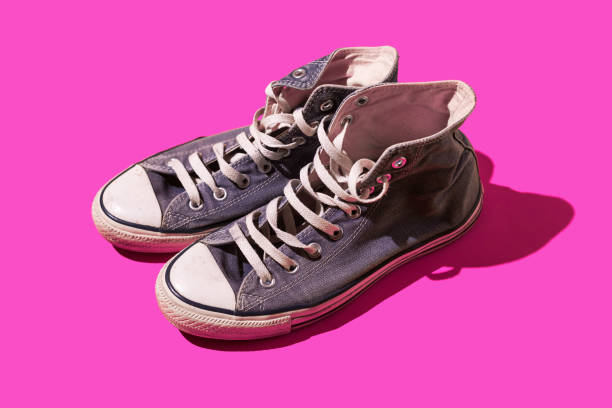
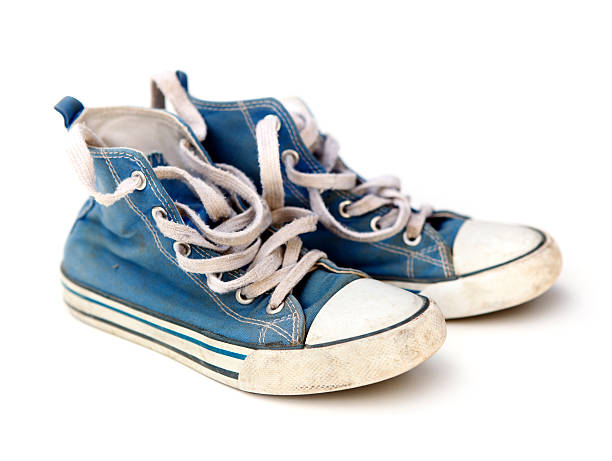
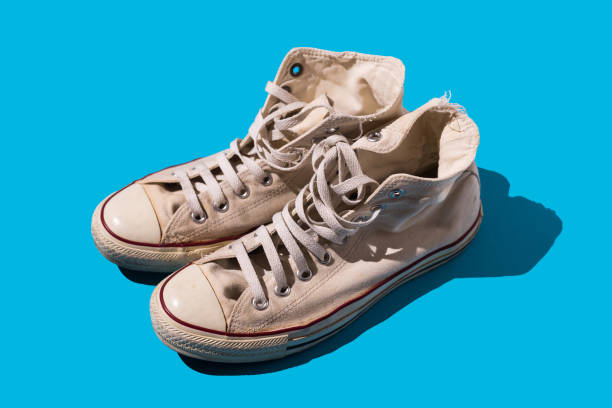
Timeless designs possess a balanced, simple silhouette that transcends trends. Think of the Nike Air Force 1, Adidas Stan Smith, or Converse Chuck Taylor. Their appeal lies in versatile colorways, clean lines, and cultural ubiquity. They serve as a blank canvas for personal style, seamlessly integrating into countless outfits across decades. Their legacy is built on consistent quality and an uncomplicated aesthetic that never feels dated.
How important is original packaging and accessories to a sneaker’s value?
For serious collectors, especially in the resale market, “complete with everything original” (C.E.) is crucial. Original boxes, special extras like alternate laces, hangtags, and even purchase receipts can significantly increase value and authenticity. They represent the full, unadulterated story of the release. For wearable collections, it’s less critical, but for archive-grade or investment pieces, missing accessories can devalue a pair by a substantial percentage.
What’s the biggest sustainability challenge facing the sneaker industry?
The core challenge is the inherent complexity of sneakers, which combine glues, multiple material types (foams, textiles, rubber), and dyes, making them notoriously difficult to recycle at scale. “Greenwashing” is also a major issue, where small eco-friendly lines overshadow a brand’s larger unsustainable output. True progress requires designing for disassembly, investing in circular recycling systems, and shifting business models away from relentless overproduction.
What’s the key to properly storing and preserving sneaker collections?
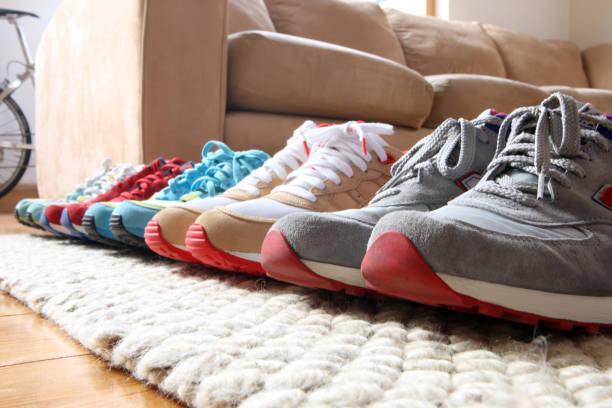
Proper storage prioritizes a cool, dark, and dry environment to prevent oxidation, mold, and material degradation. Use clear, ventilated boxes to monitor pairs without exposing them to direct sunlight. Stuff shoes with acid-free tissue to maintain shape, and keep silica gel packets inside to control moisture. For long-term “deadstock” storage, avoid sealing in plastic, as shoes need to breathe to prevent midsole crumbling.