Lace Swaps for Sneaker Customization: Fit, Contrast, and Care
Lace swaps are the most accessible form of sneaker customization because they change a shoe’s personality without permanently altering its materials. A fresh set of laces can soften a harsh colorway, sharpen a muted one, improve fit, or simply restore the crisp finish that original laces lose after months of wear. Unlike paint and dye, which require surface prep, patience, and a tolerance for risk, lace swaps are reversible, low-cost, and beginner-friendly. That does not make them thoughtless. The diameter, length, weave, material, and color of a lace all affect how a sneaker looks, feels, and ages, so a good swap balances visual intent with practical performance.
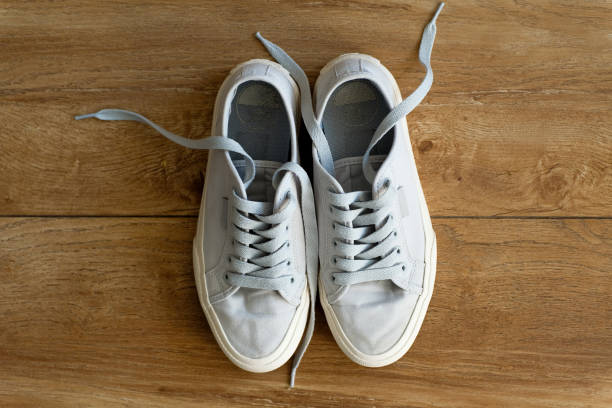
The first decision is length and width. Laces that are too short can leave the top eyelets exposed or make the shoe difficult to tie, while excessive length creates loops that drag, catch, and collect dirt. Most standard sneakers use laces between 45 and 54 inches, but high-tops, chunky silhouettes, and shoes with many eyelets often need longer sets. Width matters just as much. Flat laces sit neatly across canvas and leather uppers, while oval or rope laces fill round eyelets and suit performance-inspired models. A lace that is too thick may bunch at the eyelets; one that is too thin can look fragile and slip more easily. Matching the original lace dimensions is the safest baseline, especially when the goal is a clean replacement rather than a dramatic restyle.
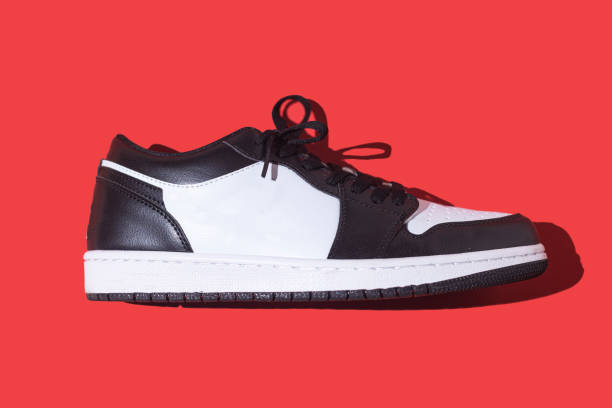
Color is where lace swaps become customization. A white lace on a white sneaker is classic and clean, but an off-white or cream lace can add warmth and vintage character. Black laces on a light shoe create graphic contrast and make the upper look more deliberate. Picking up a minor accent from the midsole, tongue tag, or stitching creates cohesion without looking forced. Two-tone laces and subtle speckling can add texture, though busy uppers usually reward restraint. For collectors, lace color can also shift a shoe’s perceived formality: flat waxed laces can make a canvas low-top look sharper, while thick rope laces push a runner toward a chunkier, more utilitarian feel. The best swap is usually the one that looks intentional from a distance and still rewards a close look.
Material choice influences care and longevity. Cotton laces offer a natural matte finish and grip well, but they absorb sweat and dirt and can fade over time. Polyester laces resist moisture and hold color, making them useful for daily wear and wet conditions. Waxed laces repel light moisture and create a dressier sheen, though the coating can wear at the aglets. Elastic no-tie laces solve a different problem by turning a sneaker into a slip-on, but they change the fit and may not suit every eyelet pattern. Reflective and glow-in-the-dark laces are fun, yet they often feel stiffer and may not knot as securely. Choosing a material means choosing a maintenance routine as much as a look.
Installation and care deserve more attention than they usually get. Remove old laces carefully, especially if the eyelets are painted or coated, because dragging frayed ends can scratch the finish. Thread from the bottom up for a conventional cross pattern or experiment with bar lacing for a cleaner front. Keep tension even; uneven lacing can distort the upper and create pressure points. Once installed, wash removable laces by hand in mild soap and cool water, then air-dry them fully before reinstalling. Avoid hot dryers, which can shrink cotton and warp synthetic fibers. Rotating between two lace sets extends their life and lets one pair dry completely. For shoes worn hard, check aglets for cracks and replace laces before they fray and jam in the eyelets. A lace swap is small, but it is still customization, and careful maintenance keeps the change looking deliberate rather than improvised.