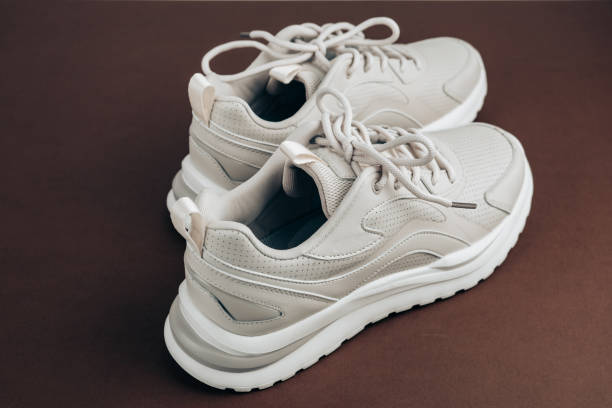
From College Hardwood to Skateboard Concrete: The Nike Dunk’s Cultural Shift

When Nike introduced the Dunk in 1985, it was built for a very specific arena: the basketball court. The shoe’s flat, supportive sole, ankle padding, and clean leather upper were designed to give college players a dependable option during the fast, physical game of the mid-1980s. What made the Dunk immediately distinctive was not only its performance but its color strategy. Nike leaned into the idea of team identity, releasing colorways that matched prominent college programs and framing the shoe around campus pride. The Dunk became a way for fans and players to wear a piece of basketball culture, and its bold blocking gave it a visual language that was easy to recognize. At the time, it was a basketball shoe with school spirit stitched into its DNA.
That origin story might have ended there, but the Dunk’s design proved unusually adaptable. Its flat sole, which offered a stable platform and good board feel, appealed to skateboarders who needed grip and control. The padded collar protected ankles during tricks, while the leather and suede builds held up to the abrasion of grip tape and concrete. In the late 1980s and 1990s, skateboarders were already repurposing basketball sneakers because they were durable, affordable, and available. The Dunk fit that pattern perfectly. Its association with college teams did not limit it; instead, it gave skaters a shoe with strong colorways and a recognizable silhouette that could be worn hard and customized through use.
The shift from court to skatepark was not an official campaign at first. It was a grassroots adoption. Skateboarders are practical and expressive at the same time. They need footwear that performs, but they also want a shoe that signals taste and independence. The Dunk offered both. Its simple upper provided a canvas for scuffs, wear, and personal history, while its team-inspired palettes allowed skaters to choose loud or subtle combinations. As skateboarding grew into a broader youth culture, the Dunk became part of that visual vocabulary. It appeared in skate videos, on street corners, and in shops where sneaker culture and skate culture began to overlap. Skateboarders were not simply borrowing a basketball shoe; they were rewriting its meaning through daily use. A scuffed toe box or worn outsole became a badge of authenticity, proof that the shoe had lived a life beyond its original purpose.
Nike eventually recognized the relationship. In 2002, the company introduced the SB Dunk, a skate-specific version with added padding, Zoom Air cushioning, and a thicker tongue. The SB Dunk did more than modify a basketball classic; it legitimized the Dunk within skateboarding and opened a new era of collaboration. Skate shops, artists, and brands were invited to put their own spin on the silhouette. These collaborations made the Dunk a collector’s object as much as a skate shoe. Limited releases, unexpected materials, and storytelling themes turned each drop into an event. Collectors began chasing colorways tied to skate shops and artists, while skaters valued the improved construction and the connection to a culture that felt immediate and personal. The SB line also helped bridge the gap between niche skate footwear and mainstream sneaker obsession, making the Dunk a fixture in both worlds. The shoe that had once represented college allegiances now represented subcultural credibility.
The result is a rare double life. The Dunk is still remembered for its college-color origins, but its modern identity is inseparable from skateboarding and streetwear. Its journey shows how a product can be reinterpreted by the people who use it. Basketball gave the Dunk structure and history; skateboarding gave it rebellion and reinvention. The silhouette’s flat sole and padded collar, once engineered for hardwood stability, became tools for board feel and impact protection. Its colorways, once tied to campuses, became symbols of creative expression. Even as the Dunk moves through fashion cycles, its skateboarding chapter remains central to its mystique. The shoe works because it carries two histories at once: the polished world of college basketball and the gritty, improvisational world of skateboarding. That tension is what keeps the Nike Dunk relevant, allowing it to slide from arena to sidewalk without losing its identity.