Lateral Support in Court and Training Shoes: How Stability Is Tested and Why It Matters

Lateral support is the quiet promise a shoe makes before every hard cut, slide, pivot, and lateral lunge. In court sports such as basketball, tennis, volleyball, badminton, and pickleball, athletes constantly push sideways, load the outside edge of the foot, and rely on the shoe to keep the foot centered over the midsole. In training sports, the same demand appears during agility drills, shuffle steps, split squats, and change-of-direction work. When lateral support fails, the result is rarely subtle. The foot rolls, the ankle inverts, the upper collapses, or the athlete loses trust and hesitates. Understanding how stability works requires looking beyond stiffness alone and examining the entire system of base width, midsole geometry, upper lockdown, traction, and biomechanics.
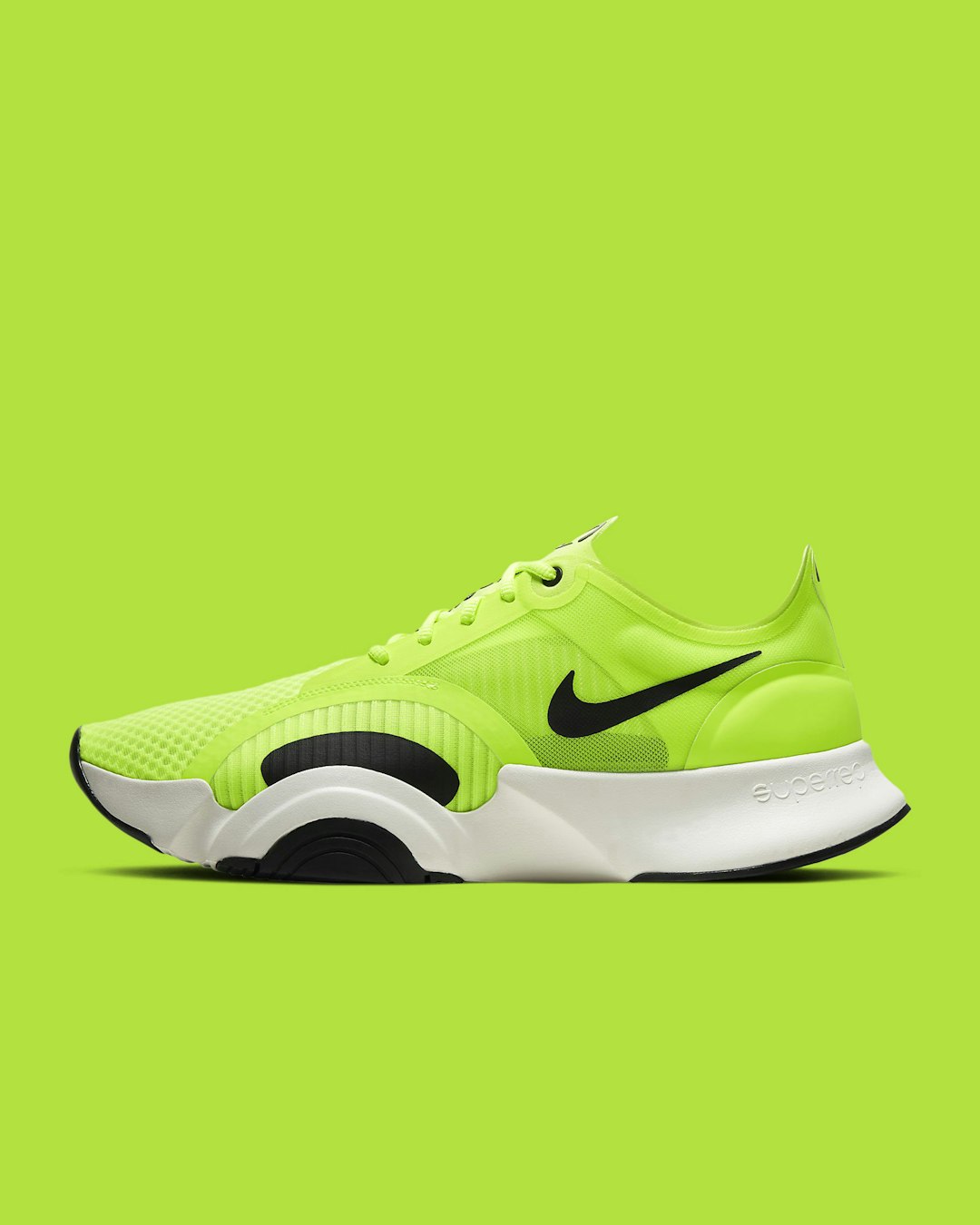
The foundation of lateral stability begins with the outsole and midsole footprint. A wider forefoot and heel create a broader base, giving the foot more room to stay centered during side-to-side motion. Many performance shoes add a lateral outrigger, an extension of the sole that flares beyond the upper on the outside edge. This feature increases the lever arm against rollover and gives the athlete a moment of warning before the ankle reaches a dangerous angle. In performance testing, sole flare can be measured at the forefoot, midfoot, and heel, then compared with the athlete’s foot shape and stance width. More width is not automatically better. An excessively wide platform can catch the floor, slow transitions, and reduce court feel. The goal is a predictable edge that resists collapse without feeling like a plank.
Midsole construction plays an equally important role. Cushioning is valuable for impact protection, but a tall, soft stack can place the foot high above the ground and allow compression during lateral loads. Firm lateral walls, dual-density foams, caging systems, and strategic sidewalls help keep the foot from sinking into the midsole. Testers often compress the lateral side of the heel and forefoot under load to measure deflection. If the foam compresses too easily, the upper may roll outward even when the outsole remains planted. Torsional rigidity through the midfoot shank also matters. A stable shoe resists twisting between the forefoot and heel, but too much stiffness can restrict natural foot motion and irritate the arch. The best designs tune torsion so the shoe feels connected without becoming rigid.
The upper must work with the base, not against it. A stable sole cannot compensate for a foot that slides inside the shoe. Heel counters, midfoot cages, reinforced eyelets, straps, and lacing systems all contribute to lockdown. During testing, athletes perform lateral pushes while markers or pressure sensors track internal foot movement. Even a few millimeters of heel slip or forefoot sliding can reduce stability and cause blisters or insecurity. High-cut collars offer proprioceptive feedback around the ankle, but the real support usually comes from the heel counter, midfoot wrap, and lacing. Materials matter as well. Leather and synthetic overlays can resist stretching, while thin knit uppers may need internal reinforcements to avoid deformation under lateral force.
Stability is not only a shoe property; it is an interaction between shoe and athlete. Foot type, arch height, ankle mobility, muscle strength, and injury history change how a shoe behaves. A runner with a rigid, high arch may feel stable in a shoe that overwhelms a flexible, flat-footed athlete. Testing should therefore include different foot types, loading patterns, and fatigue states. Lateral ankle sprains commonly occur when the foot lands in plantarflexion and inversion. A well-designed shoe can slow that motion, widen the effective base, and improve proprioception, but no shoe eliminates risk. Training shoes for lifting and lateral lunges prioritize a firm, flat base, while court shoes balance cushioning, traction, and support for repeated jumping and sprinting.
Field testing connects lab measurements to real performance. Athletes rate stability during defensive slides, cutting drills, lateral hops, and carioca steps. High-speed video can track ankle inversion angles, shoe deformation, and foot slip inside the shoe. Force plates measure lateral ground reaction forces and time to stabilization. A shoe may look stable on paper yet feel clunky, or feel flexible yet hold securely because of excellent fit and traction. Traction is a crucial partner to lateral support because slipping initiates instability. Herringbone patterns, rubber compounds, and outsole hardness must match the court surface, dust level, and sport.
For athletes and reviewers, evaluating lateral support means checking sole flare, outrigger shape, lateral midsole firmness, torsional resistance, heel lock, and forefoot containment. It also means testing in motion rather than standing still. Lace the shoe properly, push through the outside edge, and notice whether the foot stays centered or fights the upper. Replace worn shoes before the outsole and midsole lose their geometry. The best lateral support is not maximum stiffness. It is predictable resistance that protects the ankle, preserves natural movement, and gives the athlete confidence to cut harder, train longer, and play without hesitation.
Articles