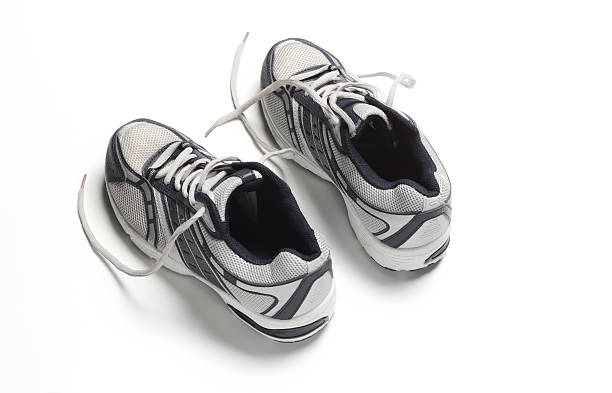
The Enduring Appeal of the Dad Shoe: Defining a Fashion Phenomenon
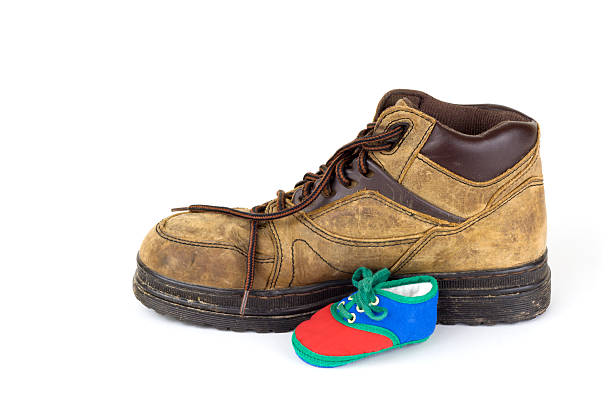
The ’dad shoe’ has transcended its humble, utilitarian origins to become a sartorial staple and a cultural touchstone. No longer confined to the feet of suburban fathers on weekend errands, this distinctive style is now a deliberate fashion choice seen on runways and city streets alike. Yet, despite its evolution into a trend, the dad shoe remains defined by a specific set of key features that collectively create its unique, often polarizing, aesthetic. At its core, the dad shoe is a celebration of unabashed practicality, comfort, and a certain nostalgic charm, all wrapped in a silhouette that prioritizes function over fleeting fashion.
The most immediate and recognizable feature of the dad shoe is its pronounced, often chunky and multi-layered sole. This is not a sleek, minimalist design. Instead, it boasts a thick midsole, frequently crafted from lightweight EVA foam or similar cushioning technology, which provides the foundational comfort the genre is famous for. This substantial base is then paired with a rugged, treaded outsole, designed for grip and durability rather than speed. The overall effect is a shoe that looks grounded, stable, and ready to absorb the impact of a long day on one’s feet, whether that involves coaching Little League or navigating a city’s pavement. This bulk is a definitive rejection of the slender profile of dress shoes or classic sneakers, instead embracing a weighty, protective presence.
Building upon this substantial foundation is a complex and frequently technical upper. Dad shoes rarely feature a simple, one-piece design. Instead, they are characterized by a collage of materials, textures, and panels. One might find a combination of durable mesh, synthetic leather, suede accents, and even metallic or reflective details all on a single shoe. This patchwork approach is not merely decorative; it often corresponds to structural and supportive elements, such as reinforced toe caps, heel counters, and overlays that provide stability. The color palette further emphasizes this eclectic mix, leaning heavily into neutral tones like white, grey, black, and navy, but often punctuated with bold, contrasting accents—think a flash of neon, a metallic silver, or a stark black panel against a white body. This creates a visually busy look that is the antithesis of a clean, monochromatic sneaker.
Furthermore, the dad shoe prioritizes ease of use, which is most commonly manifested in a lace-up closure system that is both functional and a visual component of the shoe’s busy aesthetic. The tongues are typically generously padded and often branded, protruding noticeably to enhance comfort around the ankle. The overall shape tends to be wide and roomy in the toe box, again prioritizing comfort and a sense of relaxed fit over a streamlined, foot-hugging silhouette. This design philosophy ensures that the wearer’s comfort is never compromised for style, a principle that lies at the very heart of the dad shoe’s original ethos.
Ultimately, the key features of the dad shoe coalesce into more than just a list of physical attributes; they represent a specific ideology. The chunky sole, complex upper, and comfortable fit are all in service of a shoe that is unapologetically practical. It is this very authenticity—born from a genuine pursuit of comfort and durability—that has fueled its ironic, and then sincere, adoption by fashion circles. The dad shoe does not whisper; it declares its presence with every thick-soled step. It is a footwear style that embraces its own history, offering wearers a tangible connection to a perceived era of straightforward functionality, all while standing firmly, and comfortably, in the present. In a world of fast fashion, the dad shoe endures as a testament to the timeless appeal of comfort and unpretentious design.
Articles