Leather Sneakers: The Smart-Casual Standard for Durable Everyday Style
Leather sneakers occupy a rare position in modern footwear. They are not purely athletic, yet they retain the ease of a sneaker. They are not formal dress shoes, yet they carry a polish that canvas, mesh, and synthetic trainers often lack. That middle ground explains why they have become a wardrobe staple. They work with denim and a T-shirt, but they also sit comfortably beneath wool trousers and a soft blazer. The best pairs feel broken in rather than worn out, their surfaces telling a story through creases, softened edges, and patina.
Durability begins with material. Full-grain and top-grain leather have dense fiber structures that resist abrasion, moisture, and stretching better than most textile uppers. They hold their shape around the toe box and heel, so the shoe does not collapse after a season of daily wear. Quality leather also adapts to the foot, creating a personalized fit that becomes more comfortable over time. Leather sneakers can be cleaned, conditioned, and sometimes resoled. With rotation and basic maintenance, a well-made pair can last for years, making the initial cost easier to justify.
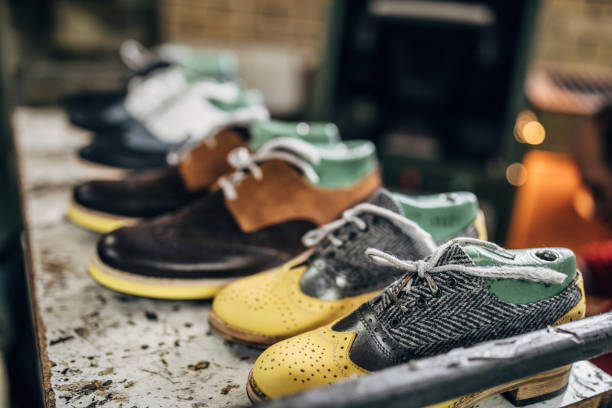
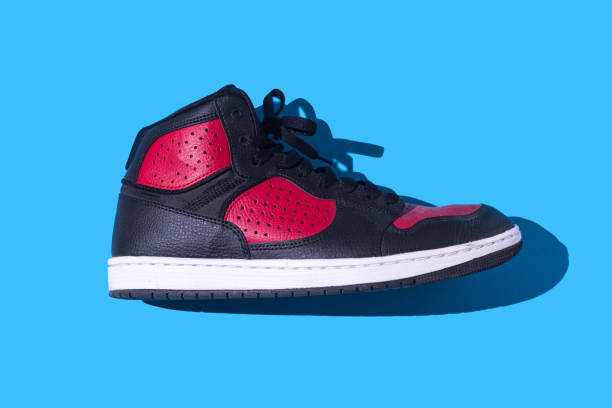
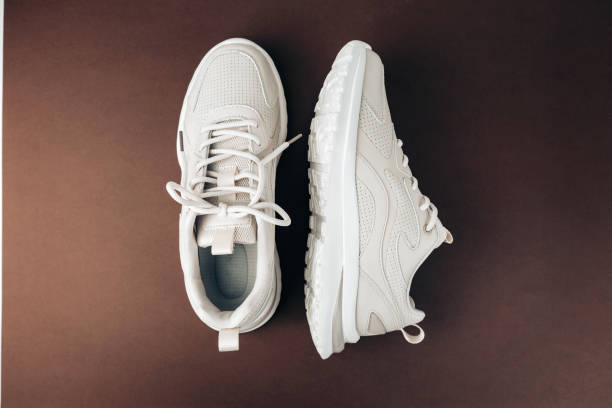
The dressier side of leather sneakers comes from restraint. Clean lines, minimal branding, tonal stitching, and a low-profile silhouette signal intention rather than athletic performance. A white leather low-top is the classic smart-casual choice, especially when kept relatively clean and paired with tailored trousers. Black leather sneakers offer a sharper, more urban look that works with monochrome outfits and evening layers. Brown, tan, and off-white pairs bring warmth to earth-toned clothing. The sole matters too. A slim rubber cupsole reads more casual, while a leather sole or streamlined wedge sole pushes the shoe closer to formal territory. Match the sole to the setting.
Styling leather sneakers well depends on proportion and color. Neutral shades are the most versatile because they do not compete with the rest of the outfit. A grey wool trouser, navy blazer, and white leather sneaker create a balanced smart-casual uniform. Dark denim, a crewneck sweater, and black leather sneakers feel relaxed but deliberate. Chinos in stone or olive pair naturally with brown leather. Socks should be considered carefully. No-show socks keep the ankle clean with cropped trousers, while thin merino or cotton socks can add a subtle layer when trousers break over the shoe. The hem of the trouser should be clean, with little to no pooling, because excess fabric can make even an elegant sneaker look sloppy.
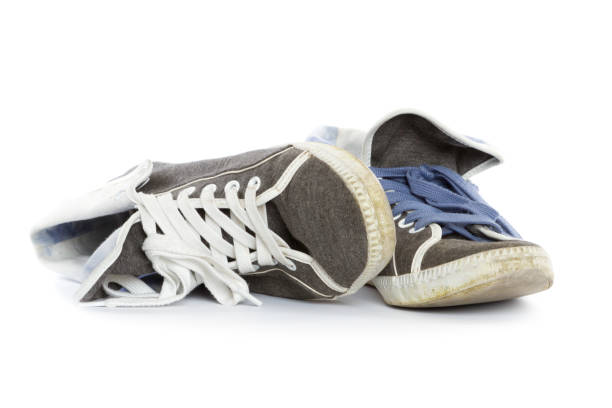
Maintenance protects both appearance and lifespan. After wearing, a soft brush removes dust and debris. Smooth leather benefits from occasional conditioning and a light cream or polish, while suede requires a dedicated brush and protective spray. Shoe trees help absorb moisture and preserve shape. Rotating pairs gives leather time to dry completely, which reduces odor and cracking. Salt stains from winter streets should be wiped away promptly, and prolonged heat should be avoided because it dries out the material. These small rituals keep leather sneakers looking intentional rather than neglected.
Choosing a pair is about more than a logo. Leather quality, stitching, heel structure, and fit matter far more than hype. A stitched sole often outlasts a glued one, and a leather lining can improve breathability and comfort. The shoe should hold the heel securely without pinching the toes. Some break-in time is normal, but sharp pain is not. Full-grain leather develops character instead of cracking. The best pair fits well enough to wear often and looks versatile enough to wear with most of a wardrobe.
Leather sneakers have moved from tennis courts and basketball halls into offices, galleries, restaurants, and airports. Icons of minimalist design proved that a simple leather upper and rubber sole could be both casual and refined. Today they cross generations and styles because they solve a practical problem. They offer the comfort of a sneaker without the slouch of gym footwear. They can be understated or luxurious, sporty or tailored. In a closet full of specialized shoes, they remain the pair that quietly does the most work. With care, they age gracefully and become more personal over time. That combination of durability, polish, and ease is why leather sneakers continue to define the smart-casual standard.
Articles