Mastering the Visual Line: How High-Tops and Low-Tops Reshape Your Style
The moment a pair of sneakers is laced up, the entire visual balance of an outfit shifts. High-tops and low-tops are not merely different heights—they are distinct architectural choices that alter how the body is perceived, how fabric drapes, and how attention moves from the ankle upward. Understanding the subtle mechanics of silhouette is the difference between an outfit that works and one that transforms.
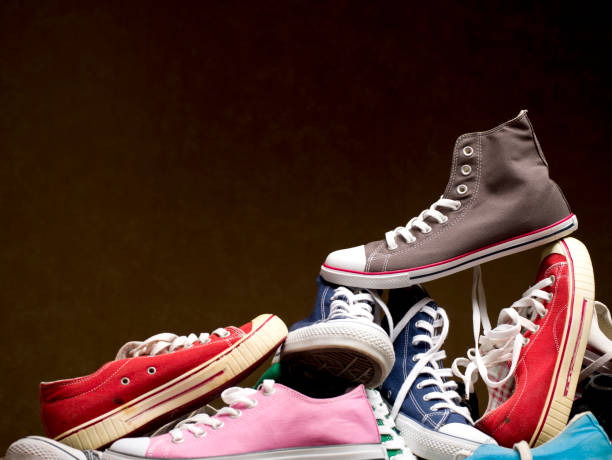
High-tops, by their very design, create a continuous vertical line from the sole through the ankle and into the calf. This unbroken column draws the eye upward, effectively elongating the lower leg when paired with the right bottoms. Cropped trousers, rolled jeans, or shorts that end just above the sneaker’s collar allow the ankle wrap to become a deliberate stylistic anchor. The visual mass of a high-top—especially in chunky or padded forms like an Air Jordan 1 or a Converse Chuck Taylor—adds weight to the foot, grounding the entire silhouette. This makes high-tops ideal for balancing broader shoulders or looser tops. A voluminous hoodie or an oversized blazer finds its counterweight in the substantial presence of a high-top sneaker, preventing the figure from appearing top-heavy.
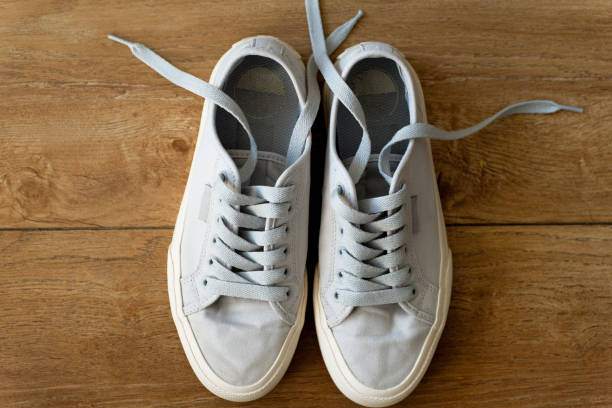
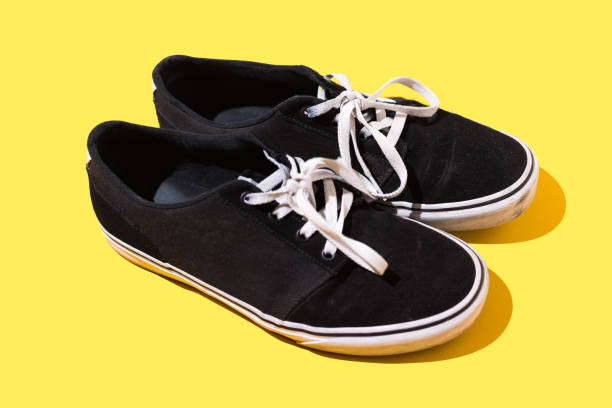
Conversely, low-tops introduce a break in the vertical line. The exposed ankle creates a visual pause, which can make the leg appear shorter if not handled carefully. However, this very interruption offers a different kind of magic: it allows the pant leg to flow freely without obstruction. Wide-leg trousers, palazzo pants, or flowing linen pants fall naturally over a low-top, pooling just above the sole in a relaxed, almost effortless manner. The low silhouette pushes the visual focus upward toward the torso, making it a powerful choice for emphasizing a tailored jacket, a statement belt, or a graphic tee. Skinny jeans or leggings paired with low-tops can create a sleek, continuous line from hip to toe, particularly if the sneaker is a slim, streamlined model like a classic Adidas Stan Smith or a Nike Killshot.
The interplay between sneaker height and pant hem is where most styling decisions are won or lost. High-tops demand attention at the intersection of shoe and fabric. Cuffed jeans that hit just above the ankle collar reveal the sneaker’s profile and lace system, turning the shoe into a focal point. This works beautifully with colorful or textured socks, which add a layer of personality between the pant leg and the sneaker. For a more modern take, relaxed straight-leg jeans that stack slightly over the high-top’s tongue create a bundled, utilitarian aesthetic popularized by skate and streetwear cultures. The key is to avoid bunching that disrupts the shoe’s shape—the high-top should be visible enough to assert its presence.
Low-tops, on the other hand, thrive on negation. The exposed ankle acts as a negative space that lightens the outfit. With low-tops, cropped pants that end two to three inches above the ankle are ideal, as they highlight the shoe’s minimalist shape and allow the foot to appear delicate. This is especially effective with neutral or monochromatic low-tops, where the shoe recedes into the outfit and the ankle becomes a slim, breathing gap. For men or women with shorter legs, low-tops with a slightly higher sole—like a platform low-top or a thick-cupsole model—can compensate for the missing ankle coverage by adding vertical lift from below.
Seasonal context also plays a role. High-tops naturally lend themselves to cooler weather, where layering includes thick socks that peek above the collar, or even the tucking of slim pants into the shoe’s opening for a tech-wear or hiking-inspired look. Low-tops dominate warmer months, when bare ankles and lighter fabrics like linen and cotton are in play. Yet cross-seasonal styling is possible: low-tops with no-show socks can work in spring with a light jacket, while high-tops with exposed laces and a thin ankle sock can be worn well into summer if the overall outfit remains breathable.
Perhaps the most overlooked factor is the psychological effect of silhouette. High-tops often convey a sense of anchored stability, athleticism, and nostalgia—they recall basketball courts, skate parks, and 1980s hip-hop. Low-tops tend to feel more casual, accessible, and versatile, bridging the gap between formal and streetwear without announcing themselves too loudly. This subtle signaling affects how an outfit is perceived: a high-top can make jeans and a t-shirt feel intentional and curated, while a low-top in the same combination may feel effortless and unstudied.
The true artistry lies in matching silhouette to body type and outfit intention. A shorter individual may benefit from low-tops with a slight heel or platform to avoid cutting off the leg, while a taller person can embrace high-tops to add gravity. For those with wider calves, high-tops with lower collars or padded tongues that do not squeeze can be more flattering than rigid high-cuts. Low-tops tend to be universally accommodating, but the wrong pant length can make even the sleekest pair look awkward.
Ultimately, the choice between high and low is a dialogue between the shoe and the rest of the wardrobe. It is not a binary of better or worse but a question of visual rhythm. When the line from hip to heel flows uninterrupted, when the ankle is either celebrated or concealed with purpose, when the sneaker becomes an extension of the body rather than an afterthought, the silhouette speaks. And in that language, every lace, every inch of collar height, and every hemmed edge carries meaning.
Articles