Minimalist Sneakers and Sustainable Style: Why Less Can Still Say More
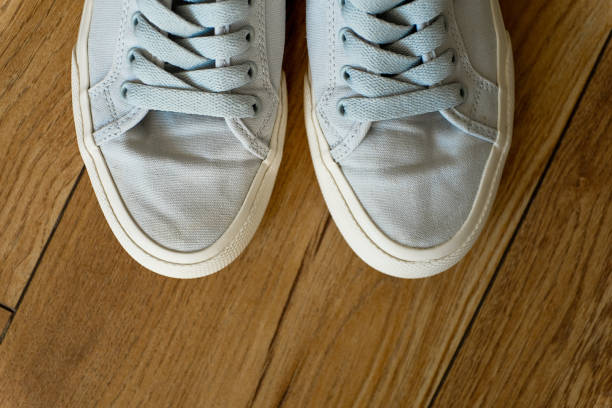
Minimalist sneakers have become the quiet counterpoint to sneaker culture’s loudest impulses. Where maximalist designs pile on overlays, color blocking, chunky soles, and visible technology, minimalist pairs rely on clean lines, tonal palettes, and restrained materials. That restraint is often framed as inherently sustainable, but the truth is more nuanced. A shoe is not sustainable simply because it looks simple. Sustainability comes from how materials are sourced, how long a pair lasts, how easily it can be cleaned and repaired, and how often it is actually worn. Minimalism can support those goals, but only when it is treated as a design philosophy rather than a marketing shortcut.
The strongest case for minimalist sneakers in a sustainable wardrobe is versatility. A clean leather or recycled-mesh low-top can move between tailored trousers, faded denim, workwear, and even relaxed dresses without demanding attention. That adaptability reduces the pressure to own a different pair for every outfit. A neutral silhouette also tends to age more gracefully than a highly trend-driven design, which matters in a culture that often measures freshness by release dates. When a sneaker stays relevant across seasons, it has a better chance of being worn repeatedly, and repeated wear is one of the most effective sustainability strategies available to any wardrobe. Still, versatility only works if the owner resists the urge to keep buying “just one more” neutral pair.
Minimalist construction can also make a sneaker easier to maintain. Fewer overlays mean fewer seams where dirt collects and fewer materials that can peel or separate. Tonal uppers hide scuffs better than high-contrast panels, and simple soles are often easier to wipe clean. Repairability matters too. Stitched construction, replaceable insoles, and designs that accept resoling can extend a shoe’s life far beyond the trend cycle. Materials deserve equal scrutiny. Recycled polyester mesh, chrome-free leather, natural rubber, and bio-based foams can lower impact, but they still require responsible production and end-of-life planning. The most sustainable minimalist sneaker is not the one with the best eco-label alone; it is the one whose materials, construction, and style encourage years of use.
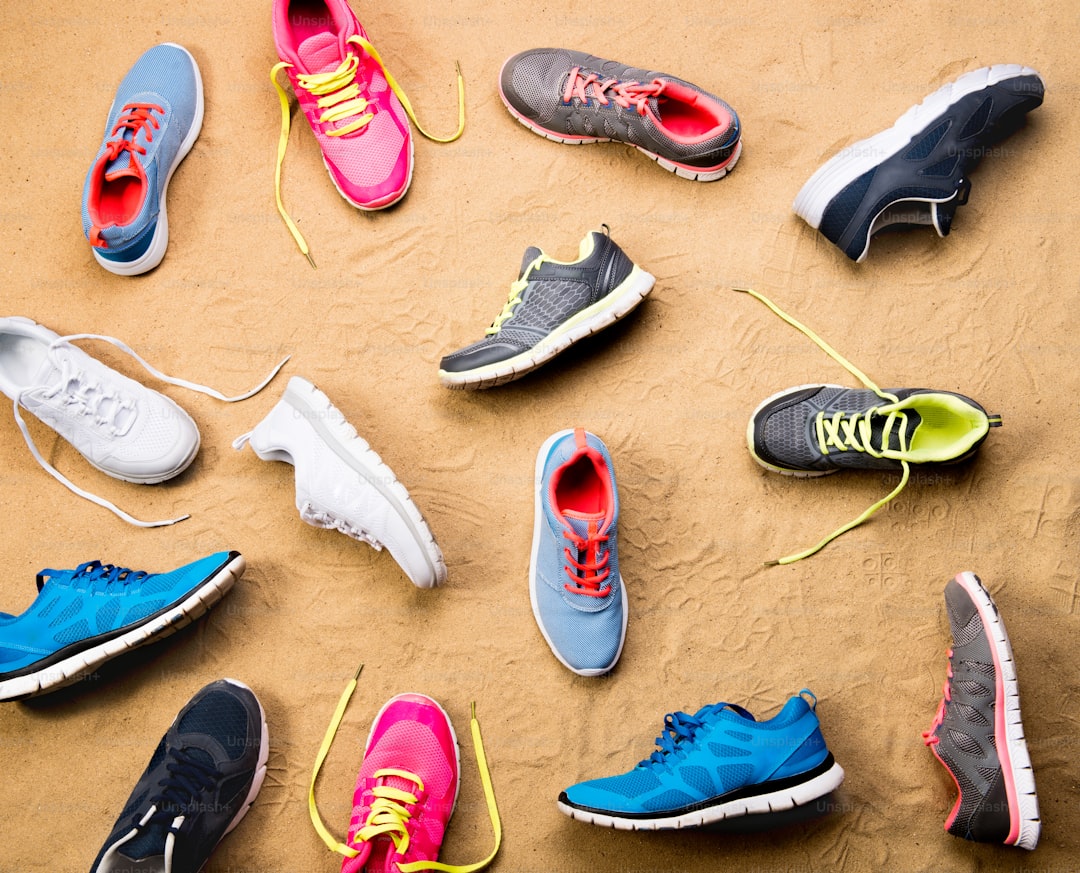
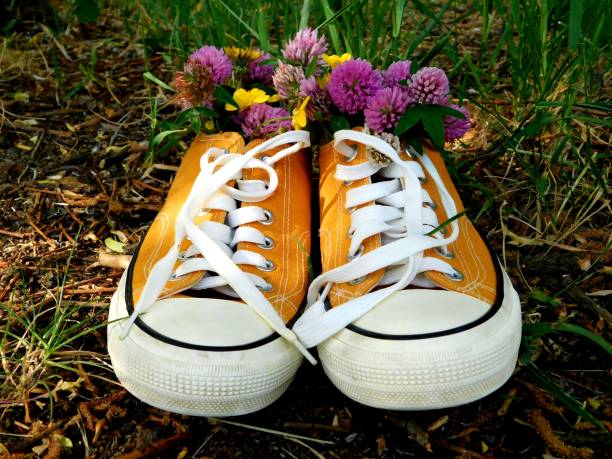
Maximalist sneakers can be sustainable as well, and dismissing them as wasteful misses the point of personal style. A bold pair made with recycled content, durable components, and repair-friendly construction can be the most emotionally durable item in a wardrobe. Maximalism often carries storytelling through texture, color, and collaboration, and that attachment can motivate owners to clean, protect, and repair rather than discard. The challenge is complexity. More materials and bonded layers can complicate recycling, and trend-driven hype can shorten a shoe’s perceived life. The sustainable answer is not to reject maximalism but to demand better making and to style boldly with intention.
In practice, sustainable sneaker style is less about choosing a side and more about building habits. Minimalist pairs work well as everyday anchors, paired with monochrome outfits, relaxed tailoring, or denim. Maximalist pairs can energize a restrained look without requiring an entirely new wardrobe. Rotating shoes, cleaning them regularly, protecting suede and mesh, replacing laces, and using repair services all extend lifespan. Buying pre-owned or limiting purchases to pairs that fill a real gap in rotation matters more than chasing a perfect capsule. Collector culture can also shift from accumulation to curation: displaying fewer pairs, maintaining them well, and valuing wear over untouched storage.
The best sneaker is ultimately the one that is worn often and kept longer. Minimalism offers quiet versatility and a lower barrier to daily use. Maximalism offers expression, energy, and emotional attachment. Sustainable style asks both to meet higher standards of materials, construction, and care. Less can say more when simplicity leads to longevity, but more can also say something meaningful when boldness is built to last. The future of sneaker fashion is not simply minimalist or maximalist; it is intentional, with less waste and more thought behind every pair.