Sustainable Sneaker Style at Both Extremes: Why Minimalism and Maximalism Can Work

The sustainable sneaker conversation often splits into two camps. Minimalists argue that fewer, cleaner pairs reduce waste and decision fatigue, while maximalists insist that bold, expressive sneakers create emotional attachment and keep people from discarding shoes too quickly. Both positions contain truth, but neither is automatically sustainable. A plain white sneaker can be disposable fast fashion, and a neon collaboration can become a long-term collector piece. The more useful question is not whether a shoe is quiet or loud, but how it is made, how often it is worn, how well it is maintained, and what happens when its first life ends.
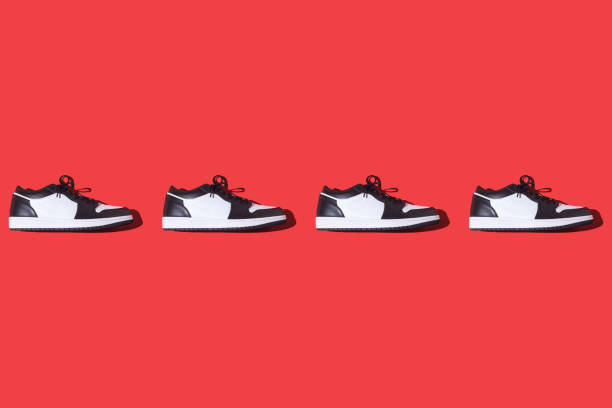
Minimalist sneaker style has clear sustainability advantages. A clean low-top in black, white, grey, or cream can move across work, travel, weekends, and formal-casual outfits, reducing the pressure to own a different pair for every setting. A tightly edited wardrobe encourages intentional purchasing and makes each shoe work harder. Neutral silhouettes also tend to age gracefully, especially when they use durable leather, sturdy canvas, or dense knit uppers that can be brushed, wiped, and spot-cleaned. Yet minimalism can become a trap when it turns into a search for the perfect blank shoe every season. Buying five nearly identical white sneakers is not restraint; it is consumption in disguise. Minimalist style only becomes sustainable when the pair is actually worn, repaired, and kept in rotation rather than replaced the moment a new “essential” appears.
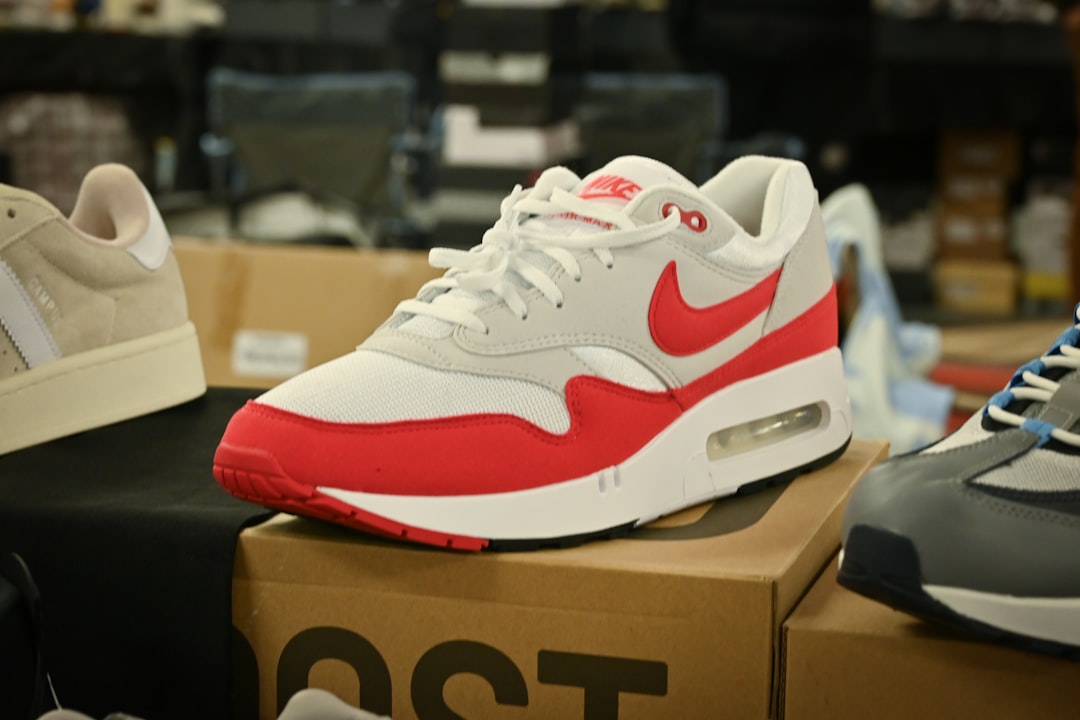
Maximalist sneakers can be equally sustainable when they are designed and chosen for emotional durability. A vivid colorway, textured upper, chunky sole, or artist collaboration can function as wearable art. That sense of attachment matters. People who love a bold sneaker are more likely to clean it, store it carefully, photograph it, resell it, and keep it long after the trend cycle moves on. In a resale and collector culture, expressive pairs often retain value and stay in circulation instead of going to landfill. The danger is hype-driven overconsumption: buying every drop, chasing every collaboration, and letting loud design distract from weak materials or poor construction. A maximalist sneaker is only sustainable when its visual energy is matched by real quality and personal meaning.
Material choices matter more than silhouette. Minimalist and maximalist shoes both need responsible leather, recycled textiles, bio-based synthetics, natural rubber, and fewer solvent-heavy adhesives. They also need construction that supports repair: durable stitching, replaceable insoles, protective toe caps, and outsoles that a cobbler can resole. Design for disassembly is especially important because many sneakers are glued together in ways that make recycling difficult. A subdued shoe made from virgin plastic and poor labor practices is not sustainable because it looks restrained. A maximalist patchwork sneaker made with recycled content, transparent sourcing, and a repairable build can be the better choice. Color, pattern, and proportion affect style; construction and supply chain affect footprint.
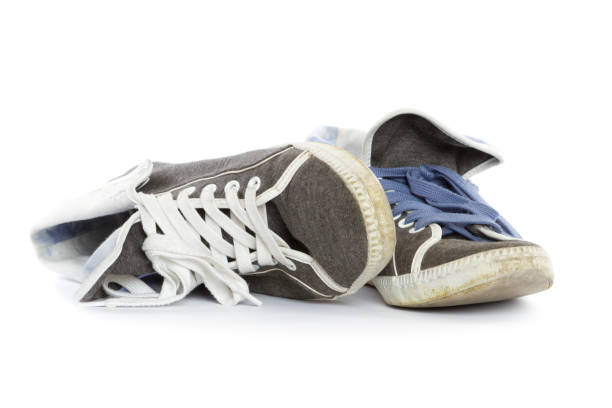
Styling and care habits close the gap between aesthetics and impact. Minimalist shoes can be extended through rotation, weather protection, and simple cleaning. Maximalist shoes can be refreshed through lacing changes, sock choices, tailoring, cropping, and color blocking that make an older pair feel new. Resale, swapping, and repair services should be part of both approaches. So should honest inventory: knowing what is already in the closet before adding another pair. The most sustainable sneaker is rarely the newest one; it is the one worn often, maintained well, and kept longer. A well-curated collection can include a crisp low-top for daily utility and a loud statement runner for expression, provided both are chosen with care.
The sustainable future of sneaker fashion is plural. Brands should offer restrained and expressive designs with transparency, repairability, and take-back programs. Consumers can mix a minimalist base with a maximalist accent, or style a bold pair against a neutral outfit. The goal is not to police taste or declare one aesthetic morally superior. Minimalism and maximalism are strategies for dressing; sustainability is a standard for making, wearing, repairing, and retiring. When both extremes are built on durable materials, responsible production, and emotional attachment, they can move sneaker culture beyond disposable trends and toward a more thoughtful wardrobe.