New Balance 990: The Original Premium Dad Shoe That Never Goes Out of Style
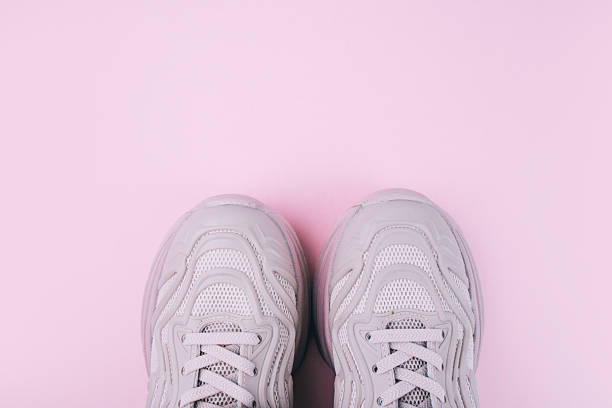
The New Balance 990 began in 1982 as a high-performance running shoe with a then-astonishing price of one hundred dollars. That number was not arbitrary. The 990 was positioned as the best running shoe New Balance could make, a statement of engineering, durability, and American craftsmanship. Its gray suede and mesh upper, bulky sole, and supportive ride were designed for serious runners, not fashion. Yet the shoe’s commitment to comfort and quality would eventually transform it into something far more culturally significant: the original premium dad shoe.
In the 1980s and 1990s, running technology moved quickly. Foams became lighter, silhouettes sleeker, and marketing louder. The 990 refused to chase every trend. Updates came slowly, and each version preserved the model’s core identity. The 990v2, 990v3, 990v4, 990v5, and 990v6 refined the formula with better cushioning, breathability, and stability, but they never abandoned the shoe’s sensible shape or muted palette. That consistency made the 990 a staple for people who valued function over flash. It became common on the feet of suburban dads, medical professionals, and anyone who spent long hours standing. The phrase “dad shoe” was not originally a compliment, but the 990 wore it with dignity.
Fashion eventually caught up. As sneaker culture grew saturated with limited drops, celebrity endorsements, and deliberately loud designs, a quieter alternative emerged. Normcore celebrated the ordinary, and the dad shoe became a symbol of unbothered taste. The 990’s gray suede, chunky profile, and visible technology no longer looked dated; they looked honest. It was the shoe of Steve Jobs in spirit and of people who did not need a logo to prove their knowledge. The 990 suggested that confidence could be soft, supportive, and understated.
Part of the 990’s enduring appeal is its material story. Suede overlays, mesh panels, and a sculpted midsole create a texture that ages gracefully. The gray colorway, in particular, acts as a neutral canvas. It works with denim, chinos, tailored trousers, and even suits in a way that few athletic shoes can. The 990 is not sleek, and that is precisely the point. Its bulk communicates comfort and stability. Its premium price signals longevity rather than hype. For collectors, the subtle differences between versions matter: the shape of the toe box, the density of the midsole, the stitching, the made-in-USA label, the feel of the ride. These details turn a practical shoe into an object of study.
Collaborations and designer interpretations pushed the 990 further into the spotlight. Aimé Leon Dore, Joe Freshgoods, JJJJound, WTAPS, and others reworked the model with rich materials and unexpected color stories. Teddy Santis’s stewardship of New Balance’s Made in USA line gave the 990 a renewed fashion credibility while keeping its dad-shoe DNA intact. Younger sneaker fans who once mocked the silhouette began hunting specific versions. Resale prices rose. The 990 became a bridge between generations: a shoe that a parent could buy for comfort and a collector could chase for craft.
Still, the 990’s greatest achievement is not a collaboration. It is longevity. In a culture obsessed with newness, the 990 has remained relevant for more than four decades by refusing to become a novelty. It has been a running shoe, a walking shoe, a work shoe, a fashion shoe, and a collector’s shoe. It has survived trends without becoming a trend itself. The 990v6, with its FuelCell midsole and streamlined upper, proves that the model can evolve while preserving its identity. The original premium dad shoe is not a punchline. It is a blueprint.
For sneaker enthusiasts, the 990 offers a different kind of pleasure. It is not about shock value or exclusivity alone. It is about the quiet satisfaction of a well-made object that feels better the more it is worn. It rewards care, rotation, and patience. It can be dressed up or down, worn hard or kept pristine. It belongs to runners, walkers, collectors, and people who simply want their feet to feel good. That broad appeal is why the New Balance 990 deserves its place in any hall of fame. It did not need to shout to become iconic. It only needed to stay true to itself, and in doing so, it changed what a sneaker could mean.
Articles