Nike Air Jordan 1 vs. Adidas Superstar: The Iconic Face-Off
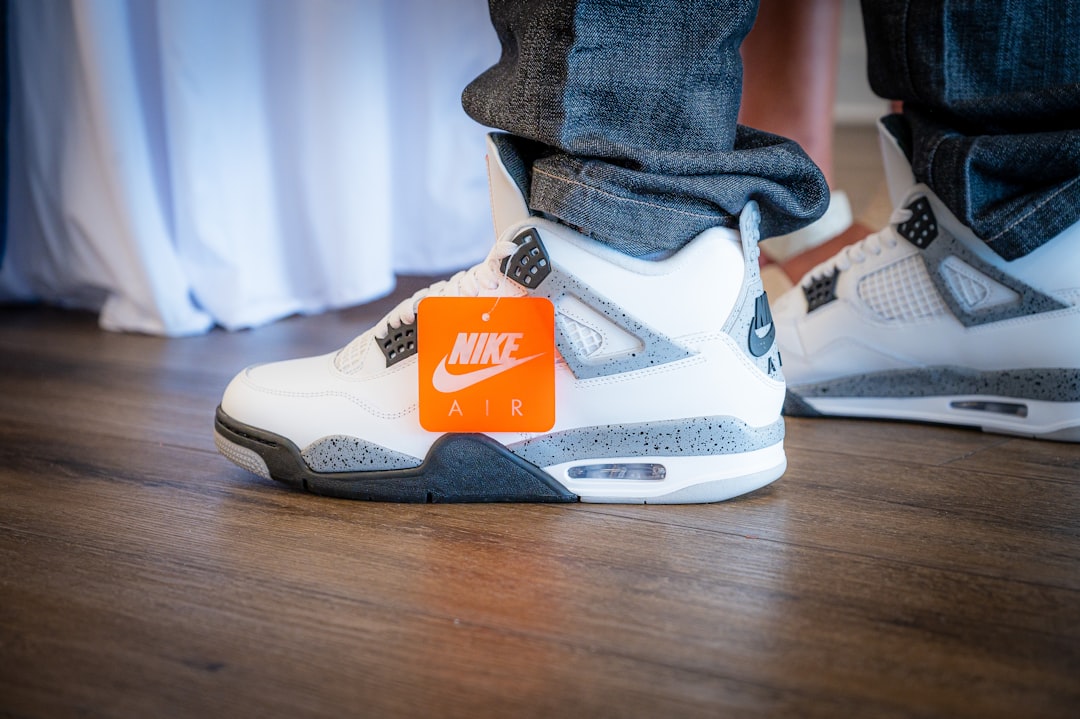
When sneaker culture is discussed, two silhouettes inevitably rise to the forefront of the conversation: the Nike Air Jordan 1 and the Adidas Superstar. Both models transcend their original athletic purpose to become cultural artifacts, yet they represent fundamentally different philosophies of design, performance, and legacy. This side-by-side comparison pits these two titans against each other, examining their histories, construction, on-foot experience, and lasting influence to determine which model earns the crown in a battle of pure iconography.
The Air Jordan 1 debuted in 1985 as Michael Jordan’s first signature shoe, immediately breaking NBA colorway rules and sparking a revolution. Its high-top silhouette, bold color blocking, and visible Air unit in the heel were radical for their time. The shoe was designed by Peter Moore and was built for basketball performance, featuring a leather upper, padded ankle collar, and a cupsole that offered lateral stability for quick cuts. In contrast, the Adidas Superstar began its life in 1969 as a basketball shoe known as the Pro Model, later renamed Superstar when the shell toe was introduced. It was the first low-top leather basketball shoe with a rubber toe cap, designed to protect the foot during play. While the Jordan 1 was all about airborne energy and fearless individuality, the Superstar was a grounded, durable workhorse that found its second life in hip-hop culture during the 1980s.
In terms of raw performance, the Air Jordan 1 holds an edge for actual basketball play, thanks to its ankle support and responsive cushioning system. The shoe’s high cut wraps the ankle securely, and the Air-Sole unit provides impact protection that, while modest by modern standards, was revolutionary. The rubber outsole with a pivot point and herringbone traction pattern delivers reliable grip on hardwood. However, the Jordan 1 is not without drawbacks: its weight is considerable, and the lack of modern foam technology means it feels stiff and heavy compared to contemporary ball shoes. The Superstar, being a low-top, offers more freedom of movement but less ankle protection. Its thick rubber shell toe adds durability, but the flat midsole offers minimal cushioning—the shoe was not designed for repeated jumping or high-impact play. For casual wear and walking, both sneakers are comfortable after a break-in period, but the Superstar’s flat sole can cause fatigue over long periods, while the Jordan 1’s heel elevation and arch support tend to be more forgiving.
The design language of each model tells a distinct story. The Air Jordan 1’s silhouette is aggressive and angular, with a pronounced Swoosh, a Nike Air tongue label, and a wings logo on the ankle. Its high top creates a powerful visual line that draws the eye upward. The Superstar, by contrast, is sleek and understated—a low-profile shape with three stripes on the side, a subtle trefoil or script logo, and the unmistakable shell toe. The Jordan 1 screams attitude and rebellion, while the Superstar whispers timeless cool. This difference extends to colorways: the Jordan 1 is famous for bold, contrasting panels—Chicago, Bred, Royal—whereas the Superstar traditionally appears in all-white or all-black, with occasional hits of color. The Jordan 1 invites personalization and statement-making; the Superstar invites integration into any wardrobe.
When it comes to cultural impact, both shoes are undeniable giants. The Air Jordan 1 changed the sneaker industry by creating the template for signature athlete footwear and establishing the secondary market as a legitimate force. Its association with Michael Jordan’s rise and the subsequent “ban” by the NBA fueled its legend. The Superstar, on the other hand, became the uniform of early hip-hop pioneers like Run-D.M.C., who famously rapped about wearing Adidas without laces. The Superstar crossed from basketball to street culture, skateboarding, and even punk rock scenes. Both shoes have been reissued countless times, with collaborations that span fashion houses like Dior (Jordan 1) and Pharrell Williams (Superstar). Yet the Jordan 1 tends to dominate hype culture, commanding higher resale prices and more frequent limited drops. The Superstar, while iconic, remains more accessible and less volatile in the market.
After examining every angle, the winner of this face-off depends on the criteria set. For pure athletic heritage and the sheer audacity of its design, the Air Jordan 1 takes the gold. It represents a turning point in how sneakers are perceived—not just as equipment but as identity. For versatility, durability, and a quiet confidence that has remained consistent for over fifty years, the Adidas Superstar offers a compelling case as the ultimate everyday icon. However, in a direct comparison that weights influence, design innovation, and performance legacy, the Air Jordan 1 edges ahead. It changed the game not only for basketball but for the entire sneaker ecosystem. The Superstar is a masterpiece of understatement, but the Jordan 1 is a masterpiece of disruption.
Articles