Nike Air Max 1: The Sneaker That Changed Footwear Design Forever
In the pantheon of sneaker royalty, few models have reshaped the industry as profoundly as the Nike Air Max 1. Released in 1987, this silhouette did not simply introduce a new shoe; it unveiled a revolutionary technology that would define athletic footwear for decades. Designed by Tinker Hatfield—a man whose name is synonymous with sneaker innovation—the Air Max 1 was born from a moment of architectural inspiration. Hatfield famously looked at the Pompidou Center in Paris, a building that exposed its structural elements on the outside, and asked why sneaker cushioning had to remain hidden. The answer was the visible Air unit, a small window in the heel that allowed wearers to see the pressurized air bag that provided unparalleled comfort. This transparent innovation was not merely functional; it was a visual statement that transformed sneakers from utilitarian gear into objects of desire and conversation.
The Air Max 1’s impact extended far beyond its technological breakthrough. At a time when running shoes were light and minimal, the Air Max offered a plush, almost luxurious ride. Runners embraced it for its shock absorption, but it was the casual wearer who truly elevated the model to icon status. The sleek, low-profile upper, combined with the bold color blocking of the original “Anniversary” colorway—white, red, and grey—created a look that was both sporty and streetwise. The shoe quickly crossed over from track to pavement, becoming a staple in hip‑hop culture, skateboarding scenes, and everyday fashion. Its silhouette graced music videos, magazine covers, and city sidewalks, cementing its place as a cultural barometer rather than just a performance shoe.
What makes the Air Max 1 a true Hall of Fame inductee is its enduring relevance. Decades after its debut, the model continues to drop in countless collaborations, retro releases, and modern reinterpretations. Sneakerheads eagerly await each new colorway, from the original “Sport Red” to rare collaborations with Comme des Garçons, A Ma Maniére, and brands like Atmos. The shoe’s design language is so influential that it has spawned an entire Air Max lineage—the Air Max 90, 95, 97, and beyond all owe a debt to the original concept. Collectors prize early pairs, especially those with the original “Mushroom” tag and detailed stitching, valuing them not only for their rarity but for their place in sneaker history.
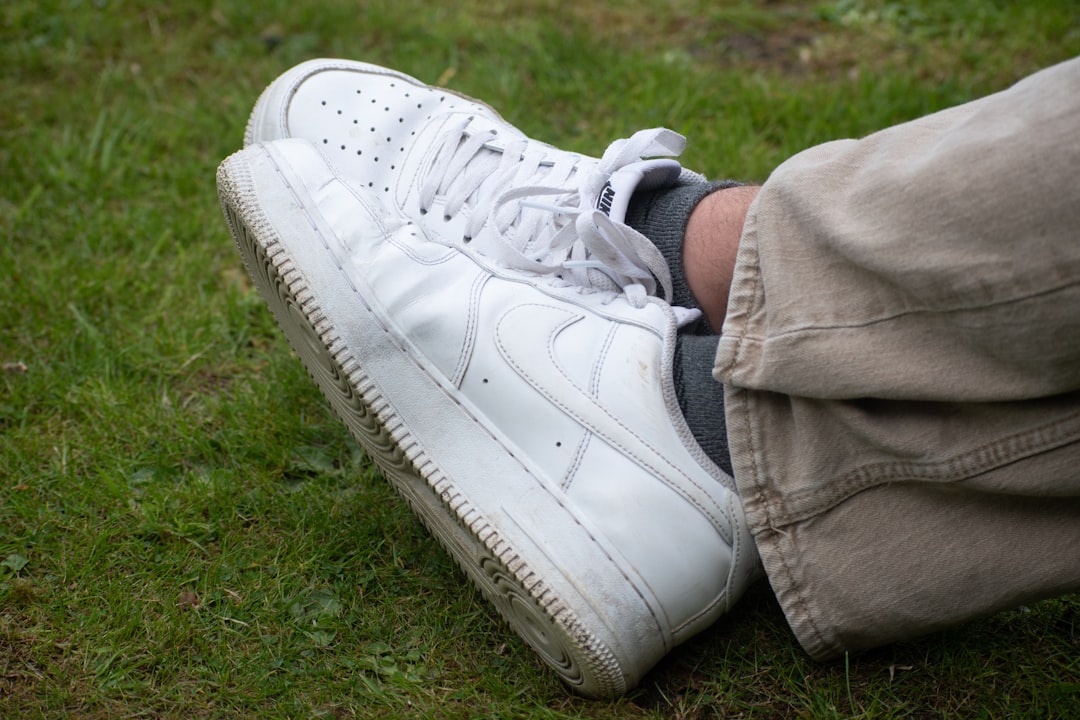
Beyond the collector’s market, the Air Max 1 remains a favorite for those who appreciate both form and function. Its silhouette is versatile enough to pair with jeans, shorts, or even tailored trousers, making it a go‑to for style enthusiasts who refuse to compromise on comfort. Caring for a pair of Air Max 1s involves careful attention to the mesh and suede panels, which can trap dirt. Regular cleaning with a soft brush, mild soap, and water keeps the upper fresh, while the Air unit itself requires gentle handling—avoiding sharp objects and extreme pressure ensures that visible bubble remains clear and bouncy. Proper storage in a cool, dry place away from direct sunlight extends the life of the foam midsole and prevents yellowing of the clear window.
The Air Max 1 also symbolizes a shift in how sneakers are marketed and consumed. When it launched, Nike’s advertising focused on performance benefits, but the visible Air unit became a visual hook that drew in non‑athletes. Television commercials showed models walking through puddles or stepping on nails, dramatizing the cushioning’s resilience. This blend of technology and storytelling laid the groundwork for modern sneaker hype, where innovation and narrative are equally important. The shoe’s legacy is evident in every subsequent brand that attempted to create its own visible cushioning system, from Reebok’s Pump to Adidas’s Boost, but the original remains the benchmark.
For the sneaker enthusiast, the Air Max 1 is more than a shoe; it is a lesson in design bravery. Tinker Hatfield’s willingness to expose the “guts” of the sneaker challenged industry norms and inspired a generation of designers to think differently. The model’s enduring popularity proves that true innovation never goes out of style. Whether you are a seasoned collector with a wall of vintage boxes or a newcomer picking up your first retro pair, the Air Max 1 invites you to experience a piece of sneaker history that continues to walk, run, and stand tall. As the sneaker world evolves with new materials and technologies, the Air Max 1 remains a constant reminder that sometimes the greatest revolutions come from simply showing what is already there.
Articles