The Sock Game: How Ankle Exposure and Crew Heights Define High-Top vs Low-Top Silhouettes
Every sneaker enthusiast knows that the difference between a high-top and a low-top goes far beyond the collar height. While the silhouette itself sets the foundation, the sock strategy applied to each style determines whether an outfit reads as intentional or accidental, sharp or sloppy, modern or dated. For decades, the humble sock has been treated as an afterthought, a mere necessity to prevent blisters and absorb sweat. But in the current era of sneaker culture, where every millimeter of exposed ankle or folded cuff is scrutinized by collectors and street style photographers alike, the sock has become a styling tool as crucial as the sneaker itself. Understanding how to manipulate sock height, thickness, color, and pattern in relation to high-tops and low-tops transforms a basic outfit into a considered statement.
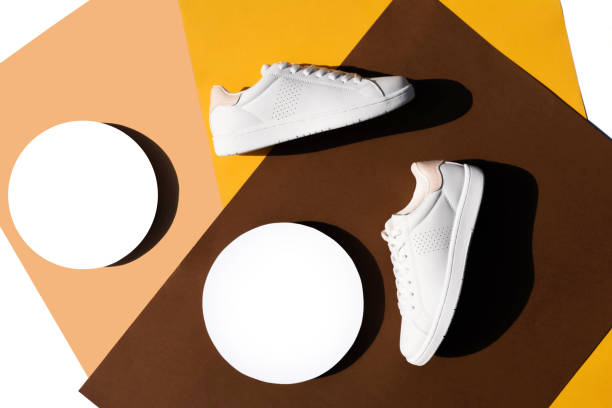
Low-top sneakers, by their very design, invite the ankle to speak. The exposed area between the sneaker collar and the hem of the pant leg becomes a canvas for personal expression. A classic no-show sock or invisible liner preserves the clean, unbroken line that low-tops are famous for, allowing the sneaker to appear as if it floats effortlessly above the ground. This approach works best with cropped trousers, cuffed denim, or shorts, where the absence of visible sock keeps the eye focused on the sneaker’s shape and colorway. Yet the no-show sock has a limitation: it demands a perfectly fitted shoe and a snug heel cup, otherwise the sock slips and bunches, creating an unintended wrinkled mess around the Achilles. For those who prioritize comfort over minimalism, a low-cut ankle sock that rises just above the collar but remains hidden behind the tongue offers a compromise. The key is that the sock must never peek out from the sides of a low-top, lest it break the visual continuity.
Conversely, low-tops also present an opportunity to celebrate the sock. When paired with slightly shorter pants or a deliberate flood hem, a visible crew sock in a contrasting color or bold pattern can anchor the outfit. A white low-top sneaker with a black ribbed crew sock and cuffed raw denim instantly channels a workwear-inspired, almost prep school aesthetic that feels both nostalgic and fresh. The sock becomes a framing device, drawing attention to the sneaker’s sole and toe cap. Similarly, sheer or mesh socks worn with low-tops in warmer months can add texture without weight, though this requires confidence and careful coordination with the rest of the outfit. The danger lies in overdoing the pattern—a loud graphic sock paired with a busy low-top colorway creates visual noise that competes with the silhouette rather than complementing it.
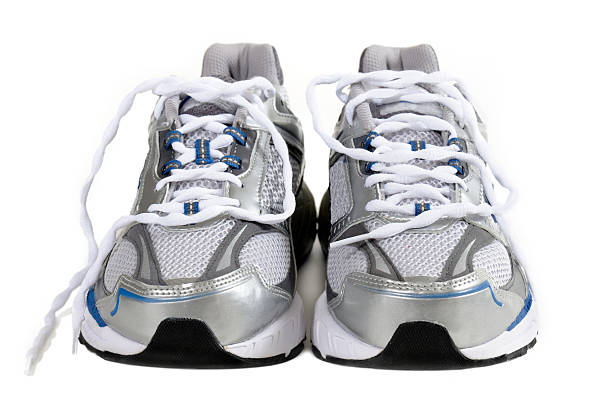
High-top sneakers flip the script entirely. Because the collar rises several inches above the ankle, the sock is almost always hidden, fully encased within the shoe. This concealment creates a new set of priorities. The primary concern shifts from visibility to fit and function. A high-top that is laced tightly around a thick, cushioned crew sock offers a locked-in feel that enhances stability for activities like skating or casual walking. But the same high-top worn with a thin no-show sock can gape at the ankle, allowing the foot to slide and causing blisters along the Achilles. For fashion purposes, the sock’s role in high-tops is often internalized: it must not create bulk that distorts the sneaker’s shape. A thin merino wool or cotton athletic sock that hugs the foot without padding the ankle preserves the clean lines of a classic Air Jordan or Chuck Taylor. The goal is for the sneaker to appear as if it is part of the leg, a seamless extension of the silhouette.
Yet the high-top sock game is not entirely invisible. A emerging trend among streetwear enthusiasts involves wearing a high-top with an intentionally visible sock that rises above the collar, creating a layered look reminiscent of old-school basketball or skate culture. A white crew sock peeking out from a black high-top references the 1980s hardwood aesthetic, while a neon accent sock under a neutral high-top adds a pop of color that echoes the sneaker’s own detailing. This technique requires a deliberate choice: the pant leg must be either cropped or cuffed to reveal the sock, and the sneaker must be unlaced or loosely laced to accommodate the extra fabric. It is a risk that rewards those who understand proportion. The visible sock can make the ankle appear thicker, shortening the visual line of the leg, so it works best with slim or tapered trousers that create a clean taper from knee to ankle.
Season and fabric also dictate sock choices for each silhouette. In summer, low-tops with invisible socks or thin ankle socks keep the foot cool and allow the skin to breathe. High-tops, even perforated models, trap more heat, making thicker socks uncomfortable; a lightweight athletic sock with moisture-wicking properties becomes essential. In winter, high-tops offer the distinct advantage of accommodating a thick wool or thermal sock without compromising the fit, as the taller collar holds the sock in place. Low-tops in cold weather require a strategy: a boot sock that rises above the sneaker collar, then is covered by a cuffed pant leg that tucks into the sock, creating a sealed look that fights drafts. This is where the line between sneaker and boot blurs, and the sock becomes a functional insulator.
Ultimately, the sock is the unsung hero of the high-top versus low-top debate. It mediates the relationship between foot, shoe, and pant, dictating how the silhouette interacts with the body. A low-top with a hidden sock projects minimalism and confidence; a high-top with a visible sock projects nostalgia and detail orientation. Both choices can be correct, provided they are executed with awareness of the silhouette’s inherent geometry. The next time you lace up, consider not just the sneaker on your foot but the sock inside it. That small decision may be the difference between an outfit that works and one that truly tells a story.
Articles