Nike Dunk Low vs Air Jordan 1 Low: Which Everyday Sneaker Wins the Face-Off?
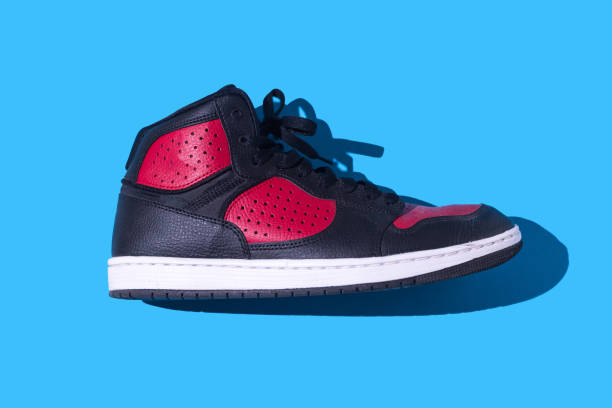
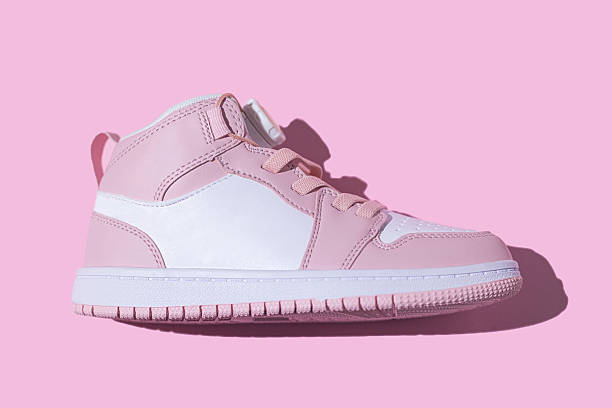
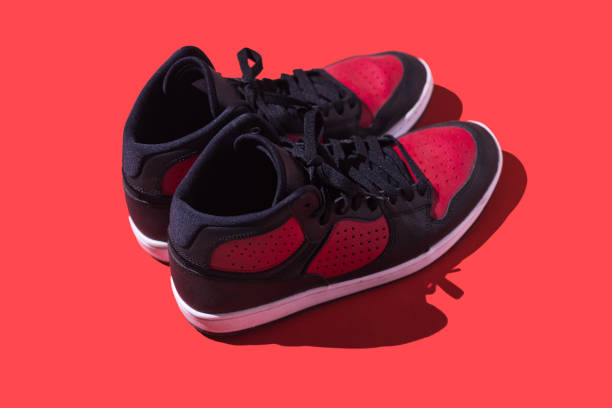
The Nike Dunk Low and Air Jordan 1 Low share 1980s basketball DNA, a rubber cupsole, and leather uppers, yet they perform differently once laced up. The real test is which one wins across fit, cushioning, durability, traction, breathability, and versatility.
Fit and sizing create the first split. The Dunk Low runs true to size with a roomier forefoot. Wider feet settle in quickly because the toe box does not pinch. The Air Jordan 1 Low also runs true to size, but its upper is narrower through the midfoot and heel. Its plusher collar improves lockdown, yet narrow feet may still need to tighten laces. For high-volume feet, the Dunk Low wins. For narrow feet, the Air Jordan 1 Low takes the advantage.
Cushioning is where nostalgia meets modern expectations. Neither sneaker offers supercritical foams or carbon plates, so the comparison is about tuned simplicity. The Dunk Low uses firm foam that feels stable and connected to the ground. It is not plush, but it avoids mushiness, making it reliable for all-day standing. The Air Jordan 1 Low uses an encapsulated Air-Sole unit in the heel, giving it a softer landing and a more forgiving ride over long distances. On a five-mile walking test, the Air Jordan 1 Low reduced fatigue, while the Dunk Low felt more planted but less cushioned. The Air Jordan 1 Low wins on comfort; the Dunk Low wins on court-like stability.
Materials and durability separate the two over time. Standard Dunk Lows often use smooth leather with a structured toe box that holds shape but creases sharply. The Air Jordan 1 Low typically features softer, tumbled leather that feels premium out of the box, though it can scuff more easily. The Dunk’s thicker overlays and rubber cupsole resist daily abuse, especially at the toe bumper and heel drag. After weeks of city walking, the Dunk Low showed less edge wear. The Air Jordan 1 Low looked better initially but aged faster on the upper. For long-term durability, the Dunk Low has the edge.
Traction and support matter beyond the basketball court. Both shoes use rubber outsoles with pivot points and flex grooves. The Dunk Low’s circular traction pattern grips smooth floors well and sheds dust quickly. The Air Jordan 1 Low’s herringbone-inspired layout bites harder on outdoor pavement and provides slightly better traction on wet tile. Support is close because both are low-tops with flat platforms. The Air Jordan 1 Low has a more padded collar and marginally better heel lock, while the Dunk Low has a wider base that feels more stable during lateral movement. For quick direction changes, the Dunk Low feels safer; for straight-ahead comfort, the Air Jordan 1 Low feels more secure.
Breathability is a weakness for both. Leather uppers trap heat, and toe-box perforations do little in humid weather. The Dunk Low’s padded tongue adds bulk, while the Air Jordan 1 Low’s slimmer tongue lets a bit more air move. Neither is a summer sneaker in the way a knit runner is, but the Air Jordan 1 Low is slightly less stifling. In cold or mild conditions, that difference disappears.
Versatility and styling are subjective, but performance-minded wearers should consider how each shoe works across outfits and occasions. The Dunk Low has a chunkier profile, a wide color palette, and a skate-adjacent attitude that pairs with baggy denim, cargo pants, and streetwear. The Air Jordan 1 Low is sleeker, with a lower profile that slides under tailored trousers and straight-leg jeans. For raw durability and value, the Dunk Low often costs less at retail and holds up better. For comfort, refined materials, and a slightly more premium feel, the Air Jordan 1 Low justifies its higher price.
After side-by-side testing, the Air Jordan 1 Low wins the overall face-off for most people. It offers better cushioning, a snugger fit, and a more comfortable all-day ride, especially for narrow and medium feet. The Dunk Low remains the winner for wide-footed wearers, heavy daily abuse, and anyone who prioritizes durability and a lower retail price. The gap is narrow, and the right choice depends on foot shape and how hard the shoe will be worn. This time, the Air Jordan 1 Low edges ahead.
Articles