Recognizing the Limits of At-Home Repairs: When to Trust a Professional Restorer
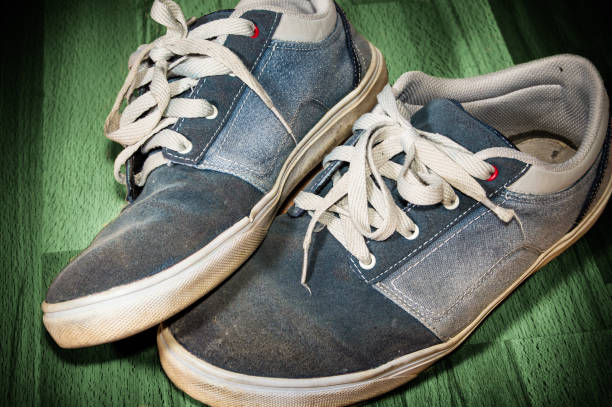
The pride of a carefully curated sneaker collection is often tested the moment a beloved pair shows signs of serious wear. The initial instinct for many enthusiasts is to reach for a tube of glue, a bottle of cleaning solution, or a DIY restoration kit. While at-home maintenance is perfectly adequate for routine cleaning, minor scuffs, and superficial discoloration, there comes a critical point where amateur intervention can cause irreversible damage. Understanding the precise boundaries between a manageable weekend project and a job best left to a skilled professional is essential for preserving both the monetary and sentimental value of your sneakers.
The most obvious red flag that signals the need for professional restoration is structural compromise to the midsole or outsole. When a pair of sneakers begins to exhibit sole separation—often referred to as sole delamination—the temptation to simply apply super glue or shoe goo is understandable. Yet common adhesives sold at hardware or craft stores are rarely formulated for the flexible, high-stress joints found in sneaker construction. A professional restorer uses industrial-grade adhesives that maintain elasticity, resist moisture, and bond securely to both rubber and foam without creating a brittle seam that will crack under pressure. Furthermore, a professional can address the underlying cause of the separation, whether it is hydrolysis of the original glue, deterioration of the midsole foam, or a manufacturing flaw. Attempting to force a sole back into place with improper clamping or misalignment often warps the shoe’s shape, creating an uncomfortable fit and an uneven wear pattern that cannot be corrected later.
Oxidation and yellowing present another category where DIY methods frequently fall short. The iconic translucent or white rubber soles on sneakers from brands like Nike, adidas, and New Balance are prone to yellowing over time due to exposure to UV light and atmospheric pollutants. Popular internet remedies involving hydrogen peroxide and sunlight can yield temporary results, but they pose considerable risks. Uneven application of liquid solutions leads to blotchy discoloration, while prolonged UV exposure can degrade the rubber compound itself, causing brittleness, cracking, or a chalky surface texture. Professional restorers employ controlled methods such as salon-grade UV lamps, precise chemical strippers, and sealing techniques that return the sole to a factory-like clarity without compromising structural integrity. For sneakers with patent leather, suede, or nubuck uppers, any attempt to apply peroxide-based whiteners can destroy the delicate finish or stain the material permanently. A trained eye knows exactly which solvents are safe for each specific surface.
Deep structural issues, such as ripped stitching, torn mesh, or cracked plastic heel counters, should never be approached with a needle and thread from a household sewing kit. Upholstery thread, curved needles, and specialized stitching patterns used in sneaker factories are far removed from general sewing skills. A botched stitch repair not only looks amateurish but can alter the tension and support of the shoe, leading to blisters, instability, and accelerated wear in other areas. Similarly, replacing a torn mesh panel requires matching the precise weave, color, and stretch properties of the original material, a task that demands an extensive archive of donor fabrics. Professional restorers often source deadstock materials or carefully replicate textures, ensuring the repair is virtually invisible. When a sneaker’s internal structure—like the heel counter or the insole board—has collapsed, an at-home repair cannot provide the necessary reinforcement without disassembling the entire shoe and rebuilding it from within, a process that requires specialized tools and years of experience.
Another critical scenario that demands professional attention is the restoration of limited-edition collaborations, vintage pairs, or sneakers with significant collector value. The financial and emotional stakes are highest here. A misguided attempt to repaint a chipped leather upper with a generic acrylic paint can ruin the original finish and dramatically reduce resale value. Professional restorers match paint to the exact factory color using spectrophotometers and layered spraying techniques, and they can replicate the original gloss or matte sheen. Similarly, reshaping deformed toe boxes, repairing cracked patent leather, or replacing worn sock liners requires knowledge of heat molding, lasting techniques, and adhesives that withstand sweat and friction. For rare sneakers, a professional can also authenticate the pair during the restoration process, identifying potential counterfeits or pre-existing alterations that an amateur might overlook.
A final consideration is the unseen damage that DIY repairs often mask rather than fix. For example, a squeaky sole might be temporarily silenced with glue, but the noise often indicates trapped air, a detached foam layer, or a loose orthotic. A professional will disassemble the shoe to diagnose the root cause, ensuring the repair is thorough and lasting. Likewise, mold or mildew inside the lining of a sneaker that has gotten wet can be eliminated with industrial-grade disinfectants and ozone treatments, but a simple surface scrub will leave spores alive to resurface later, potentially causing health issues and further deterioration.
Knowing when to step back from a repair project is a sign of wisdom, not defeat. The cost of professional restoration, while sometimes significant, pales in comparison to the heartbreak of destroying a cherished pair through a well-intentioned but misguided DIY attempt. The true value of a professional lies not only in their tools and materials but in their ability to assess each sneaker holistically, preserving its history, functionality, and beauty for years to come. Before reaching for that bottle of glue, take a realistic inventory of the damage, your own skill level, and the value of the shoe. When the answer reveals that the job exceeds simple maintenance, trust the experts who have dedicated their craft to the art of resurrection.
Articles