The Visible Revolution: How the Air Max 1 Changed Sneaker Culture Forever
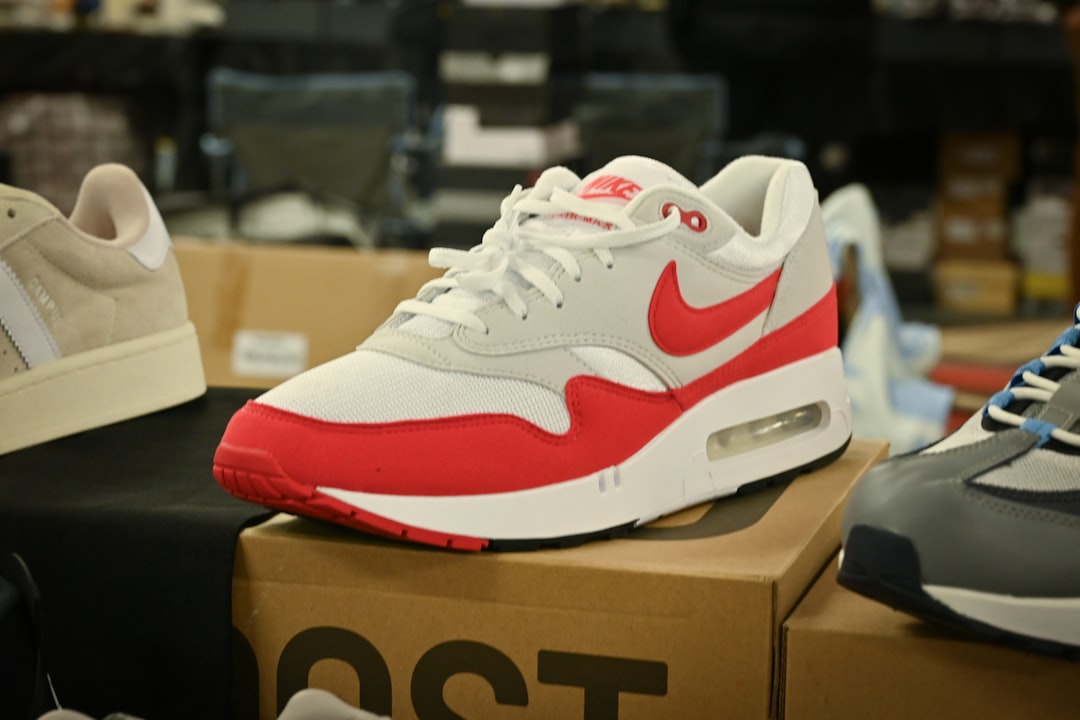
The story of the Nike Air Max 1 is not merely a tale of a popular shoe; it is the chronicle of a philosophical shift in design and a bold declaration of technological intent. Released in 1987, its core innovation was breathtakingly simple yet profoundly radical: it made the invisible visible. By exposing the Air-Sole unit in a window on the midsole, designer Tinker Hatfield and the Nike team did not just create a cushioning system; they crafted a narrative. This act of architectural revelation transformed footwear from a closed system of hidden components into an open book of performance and style, forever altering the relationship between athlete, consumer, and product.
Prior to the Air Max 1, Nike’s Air cushioning was a sealed secret, a promised comfort locked within the foam midsole. While effective, it was an abstract benefit. Hatfield, inspired by the inside-out structural design of the Centre Pompidou in Paris, envisioned a shoe that celebrated its own engineering. The exposed Air unit was the realization of this vision. It was a statement of confidence, inviting scrutiny and promising transparency. For the first time, wearers could see the very technology that promised to cushion their stride, creating a tangible, visual connection to the science of performance. This window was more than a design flourish; it was a proof of concept, a permanent advertisement for the innovation contained within. It shifted the value proposition from what a shoe felt like to what it was, establishing a design language of honesty that would define decades of subsequent sneakers.
This visibility, however, was only part of the revolution. The innovation was as much about the Air unit’s placement as its exposure. Hatfield and Air Max inventor Marion Frank Rudy engineered a larger, heel-specific Air-Sole that was pressurized with more gas. By positioning this enhanced unit primarily in the heel—the point of greatest impact during running—and making it the star of the show, the Air Max 1 delivered targeted, superior cushioning. The design acknowledged the biomechanics of movement, offering a responsive yet plush feel that was literally grounded in a new foundation. The visible window was not a gimmick; it was the face of a genuinely improved functional asset. This marriage of form and function ensured that the shoe’s aesthetic bravado was backed by substantive performance, making it a hit with both serious runners and style-conscious urbanites.
The cultural impact of this core innovation cannot be overstated. By showcasing its technology, the Air Max 1 democratized design understanding. It turned every wearer into an informed participant, fostering a burgeoning “sneakerhead” culture obsessed with details, technology, and stories. The shoe became a canvas, with the Air window as its focal point, inviting endless colorway variations and collaborations that keep it relevant nearly four decades later. It established a design DNA so powerful that the visible Air unit became Nike’s most recognizable and iterated-upon signature, evolving into ever-larger and more complex configurations in later models. The Air Max 1 taught consumers to value innovation as spectacle, creating a market where technological storytelling is as crucial as the technology itself.
In conclusion, the core innovation of the Air Max 1 was a paradigm shift in product design philosophy. It was the courageous decision to turn a shoe inside out, to elevate its functional heart into its defining aesthetic feature. This visible Air unit was a masterstroke of marketing, engineering, and artistry all at once. It replaced mystery with spectacle, transforming hidden cushioning into an icon of performance and a badge of cultural currency. The Air Max 1 did not simply add a window to a sneaker; it opened a window into the future of footwear, where technology is celebrated, scrutinized, and worn with pride, step after visible step.
Articles