
Collector Culture, Resale, and Community
Resale Market Insights: Price Tracking and Trends





Frequently asked questions
What are the biggest risks involved in sneaker reselling?
Major risks include market volatility (prices can crash), authenticity pitfalls (buying or selling fakes), fraud from buyers/sellers, and unexpected restocks that obliterate value. There’s also the capital risk of tying up money in inventory that may not sell quickly. Furthermore, platforms charge significant seller fees (often 9-15%), and shipping/authentication delays can cause issues. It requires research, capital, and understanding that not every release will be profitable.
What is the sneaker resale market and how does it function?
The sneaker resale market is a secondary marketplace where limited-edition or sold-out sneakers are bought and sold, often at prices significantly above their original retail value. It functions through dedicated platforms like StockX, GOAT, and Stadium Goods, which operate similarly to stock exchanges. Prices are driven by supply and demand, with factors like rarity, condition (new or used), and hype causing constant fluctuations. This ecosystem turns sneakers into liquid assets for collectors and investors.
How does sneaker condition get graded, and how does it affect price?
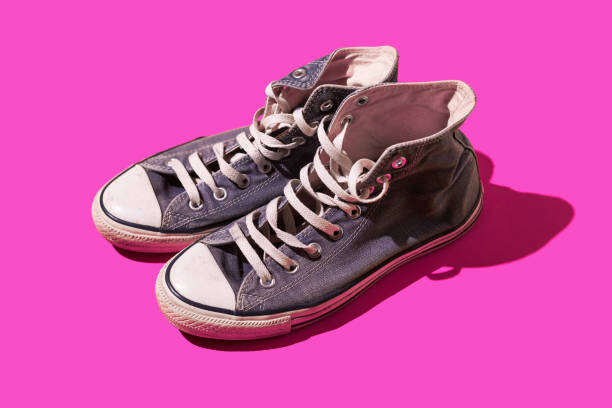
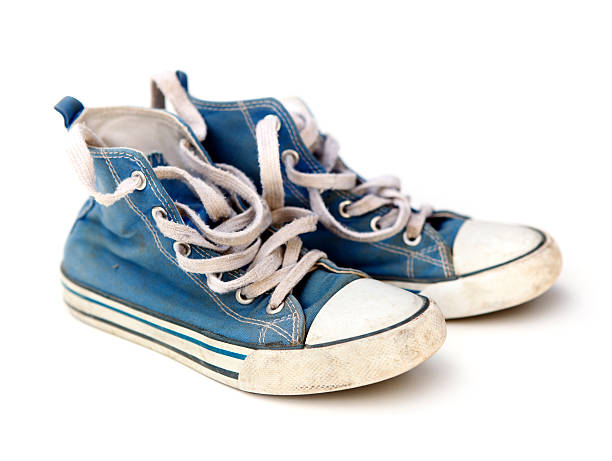
Condition is typically graded as: Deadstock (DS), New Without Box (NWB), Pre-Owned (with sub-grades like VNDS - Very Near Deadstock), and Used. Each step down in condition reduces value, as collectors prioritize pristine items. Platforms like GOAT have formal grading systems. Damage like yellowing, sole separation, or box damage also devalues a pair. Accurate, honest description and photos of flaws are essential for a successful sale and avoiding returns.
How do collaborations and exclusivity impact resale prices?
Collaborations with celebrities, designers, or influential brands (like Off-White or Supreme) create immense hype and limited supply, which are the primary drivers of high resale prices. These partnerships add storytelling, unique design elements, and cultural cachet that mass-produced models lack. Exclusivity, whether through limited production runs or exclusive access draws, artificially constrains supply against high demand, creating a perfect storm for resale value to skyrocket, sometimes to many times the original retail price.
What role do release numbers play in a sneaker’s value?
Release numbers, or how many pairs are produced, are a fundamental determinant of value. Generally, the fewer pairs available, the higher the potential resale price. “Hyper-limited” releases (e.g., Friends & Family pairs) are the most valuable. However, some high-volume “general releases” can still appreciate if demand remains incredibly strong over decades. While exact numbers are rarely officially released, insider estimates and the speed of sell-out help the market gauge scarcity.