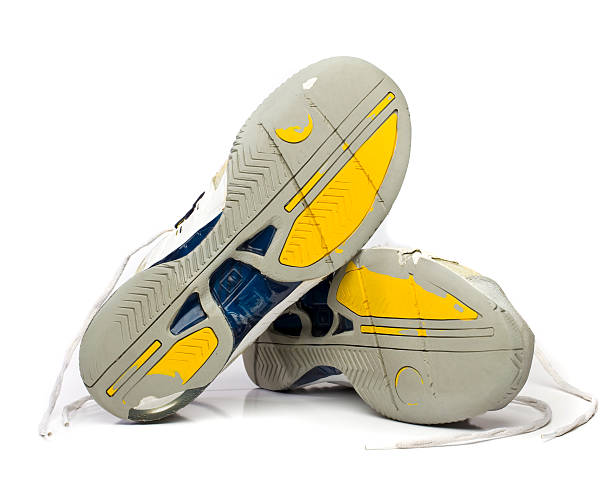
Restoring Yellowed White Sneaker Soles: Safe Cleaning and Brightening Methods
Yellowing on white sneaker soles is rarely caused by dirt alone. Rubber and synthetic midsoles gradually oxidize when exposed to oxygen, ultraviolet light, heat, and moisture, creating that familiar amber or mustard tint. Oils from hands, road grime, and improper storage can accelerate the process, while harsh cleaning products may strip protective finishes and make future yellowing worse. The goal is not to attack the sole with the strongest chemical available, but to remove surface contamination, treat oxidation carefully, and protect the material so the shoe stays bright longer.
Begin with a dry preparation. Remove the laces and insoles so every part of the shoe can be reached. Use a soft dry brush to lift loose dirt from the sole, especially around the toe bumper and heel where grit collects. A toothbrush is useful for narrow grooves, but keep the bristles soft enough to avoid scratching. Rinse the outsole with cool water and wipe away mud before introducing any cleaning solution. If the upper is mesh, knit, or suede, keep excess water away from those materials and work on the sole separately.
For general cleaning, use a small amount of mild dish soap or a dedicated sneaker cleaner mixed with cool water. Dip a soft brush into the solution and scrub the rubber sole in small circular motions. Wipe the foam away with a microfiber cloth rather than letting it dry on the surface. Stubborn scuff marks on rubber can often be lifted with a melamine sponge used gently and only on the sole; aggressive scrubbing can dull the finish. Avoid chlorine bleach on white uppers and midsoles. Bleach can weaken fibers, damage adhesives, and react with some synthetic materials in ways that cause a permanent yellow or pink cast.
Once the sole is clean and dry, treat oxidation on rubber with a paste made from baking soda and a small amount of three percent hydrogen peroxide. Mix until it resembles thick toothpaste, then apply it only to the rubber midsole or outsole. Keep the paste away from mesh, leather, suede, and printed logos because it can leave residue or alter color. Let the paste sit for a short period, then use a soft brush to work it into stained areas. Some restorers use controlled ultraviolet exposure to activate the whitening effect, but prolonged direct sunlight can create more yellowing over time. A short, monitored session with a UV lamp or indirect sunlight is safer than leaving shoes outside for hours. Rinse thoroughly with cool water and wipe clean.
The upper needs a different approach. On mesh and knit, mix mild detergent with cool water, apply with a soft brush, and blot rather than soak. Work from the inside out when possible, and rinse by pressing a damp microfiber cloth against the fabric. Leather and synthetic uppers should be wiped with a damp cloth and a gentle cleaner, then dried immediately with a towel. Condition leather after cleaning to prevent cracking. White laces can be hand washed with detergent and warm water, rinsed until the water runs clear, and air dried away from heat. Do not machine wash unless the shoe manufacturer explicitly permits it.
Drying is where many cleaning routines fail. Stuff the shoes with white paper towels or dry cloths to absorb moisture and hold their shape. Avoid printed newspaper because ink can transfer. Air dry in a cool, shaded, well-ventilated area. Radiators, hair dryers, and direct sun can warp materials, loosen glue, and encourage yellowing. Once dry, consider a protective spray designed for the shoe’s material, applying it in a ventilated area and following the product instructions. Store white sneakers in a cool, dry place away from sunlight, using breathable shoe bags or boxes with silica packets to manage humidity. Rotate pairs so they have time to dry fully between wears.
Prevention matters as much as restoration. Wipe soles after each wear, avoid leaving shoes in hot cars or sunny windows, and keep them away from plastic bags that trap moisture. For scuffed leather, a tiny amount of white leather paint can restore color, but test it first and apply sparingly. With patient cleaning, gentle brightening, careful drying, and consistent storage, white sneaker soles can look crisp without sacrificing the materials that make them comfortable and durable.