Sneaker Convention Vendor Tips: Building Trust and Community at Every Table
The table is never just a table. At a sneaker convention, it becomes a small stage, a storefront, and a community campfire. Vendors who understand that outperform those who simply stack boxes and wait for buyers. The most successful sellers read the room before they price a single pair. They notice which sizes trigger quiet conversations and which collectors are hunting for grails rather than bargains. A vendor who can name a shoe’s history without turning it into a lecture creates trust. Trust is the real currency of any convention floor, because a buyer who feels respected will return, refer friends, and remember the table long after the doors close.
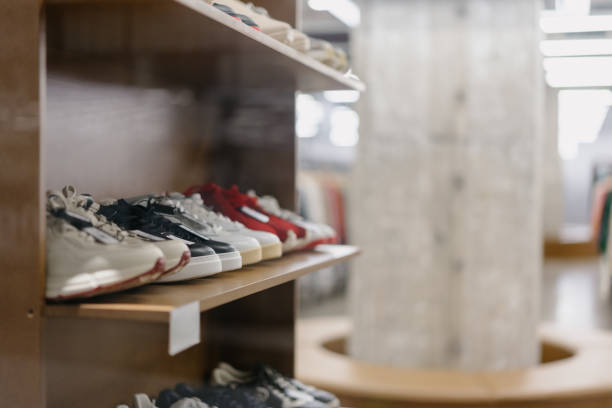
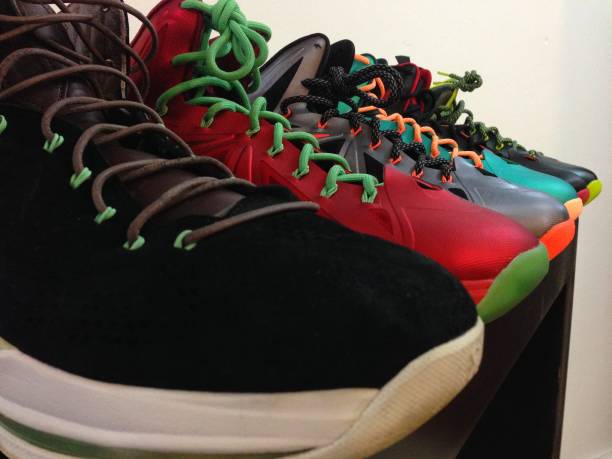
Presentation matters more than most new vendors expect. Shoes should be clean, laces managed, boxes neat, and lighting purposeful. A crowded table feels abundant; a chaotic one feels risky. Grouping by brand, era, or color story helps attendees scan quickly while inviting them to slow down. Price tags should be visible but not aggressive. A handwritten tag can feel personal; a printed label can feel professional. The best approach mixes both, using clear prices for common pairs and leaving room for conversation on rarities. Vendors who hide prices frustrate shy buyers, while those who price too rigidly miss the emotional rhythm of a live event. Flexibility, within reason, is a form of hospitality.
Conversation is the engine of a successful convention table. Opening with “Let me know if you want a closer look” is warmer than “What are you looking for?” because it removes pressure. Questions about favorite silhouettes, hometown sneaker stores, or first grails create common ground. When a buyer shares a story, listen. That story often reveals their budget, taste, and willingness to trade. Vendors who dominate with market data may sound knowledgeable, but they miss the chance to build rapport. Instead, offer context casually. Mention a collaboration’s origin, a material’s durability, or a fit difference. Then step back. The silence gives the buyer space to decide. In that pause, community grows.
Pricing at conventions requires a balance between online comps and in-person reality. Buyers know what resale apps say, but they are also paying for immediacy, inspection, and the joy of the hunt. Vendors should set a walk-in price with some negotiating room, but not so much that they seem dishonest. Bundle deals move slower inventory without devaluing the main attraction. Trades can be powerful when both sides understand current values and condition. Avoid treating every interaction as a win-lose duel. A fair trade today may become a loyal customer tomorrow. Reputation travels fast, and a vendor known for shady condition claims will find the room colder at the next event.
Preparation separates hobbyists from reliable vendors. Bring cash for change, backup payment options, a power bank, cleaning wipes, spare laces, and a small repair kit. Confirm table dimensions and load-in times. Label inventory with cost and minimum price so helpers can answer questions. Keep a simple spreadsheet for sold items, trades, and contacts. Train anyone working the table to greet people, answer basic questions, and fetch a vendor when a serious offer appears. A friend who ignores attendees while scrolling on a phone can undo hours of goodwill. The table should feel welcoming even when the vendor is busy.
Beyond sales, conventions are community infrastructure. They give young collectors a chance to see rare pairs in person, let longtime enthusiasts reconnect, and create space for local artists, restorers, and organizers to share their work. Vendors who contribute—by donating a raffle item, mentoring a first-time seller, or complimenting another display—strengthen the culture and make future events better for themselves. When attendees feel safe asking questions instead of being judged, they stay longer, spend thoughtfully, and return with friends. That is the quiet power of a well-run table: it turns a transaction into a relationship.
The final takeaway is simple but demanding. Treat every person who approaches as part of the community, not as a wallet with legs. Clean your inventory, know your numbers, negotiate with respect, and make room for stories. Do that, and the convention floor stops being a race to the bottom. It becomes a place where sneaker passion circulates as freely as cash, and where reputation is built one handshake, one fair deal, and one honest conversation at a time.
Articles