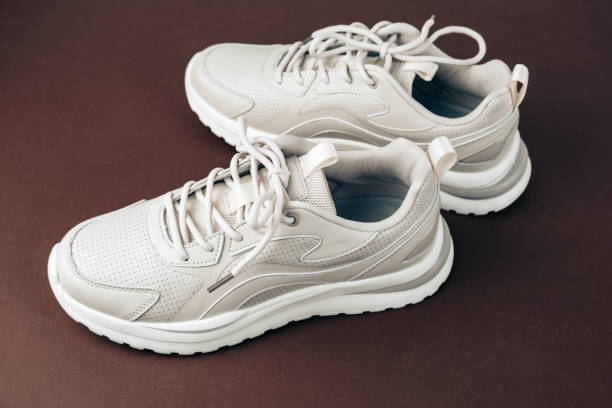
Strategic Curation: Balancing Hype, Heritage, and Personal Style in Sneaker Collecting

The sneaker collecting landscape has evolved dramatically from a niche subculture into a global phenomenon where limited releases, resale values, and community validation often overshadow the simple joy of owning a pair of shoes. For collectors at every level, the most sustainable and rewarding approach lies not in chasing every hyped drop or accumulating as many boxes as possible, but in developing a deliberate curation strategy that balances three essential pillars: hype, heritage, and personal style. This triad forms the foundation of a collection that is both financially sound and emotionally fulfilling, whether you are lacing up your first pair of Jordans or managing a vault of hundreds.
Understanding hype is critical, but it should never be the sole driver of a collection. Hype operates on cycles of scarcity, celebrity endorsement, and cultural moments—factors that can inflate a shoe’s desirability overnight and deflate it just as quickly. The beginner often falls into the trap of buying what is loudest on social media, only to watch the resale value plummet when the next colorway drops. The expert, by contrast, learns to read the hype curve: they know when to enter a market during a dip, when to hold for long-term appreciation, and when to pass entirely. Strategic collectors use hype as a tool, not a master. They identify silhouettes with enduring appeal—like the Air Jordan 1, the New Balance 990 series, or the Adidas Ultraboost—that have proven their ability to retain value over years, not weeks. By focusing on classic models that consistently resurface in new colorways, you build a foundation that can withstand fleeting trends. Moreover, understanding the resale market’s mechanics—release dates, regional allocations, stock numbers, and authentication pitfalls—allows you to make informed purchases that serve both your passion and your portfolio.
Heritage is the counterbalance to hype’s volatility. Every major sneaker brand carries a rich history of design innovation, athlete partnerships, and cultural impact. Collecting with heritage in mind means prioritizing the stories behind the shoes. For example, a pair of Nike Air Max 1s from 1987 tells the story of visible Air technology revolutionizing running; a Reebok Pump pays homage to the late-1980s basketball era when customization and inflation were cutting edge. Seasoned collectors often build themed subsets around eras, manufacturers, or even specific collaborators like Virgil Abloh or Kanye West, not because of the resale price tag but because of the narrative weight. Beginners can start by researching the brand histories of Nike, Adidas, New Balance, and Asics, then picking a few iconic models that resonate personally. This approach transforms a collection from a random assortment into a curated museum of sneaker evolution. It also insulates you from the emotional whiplash of hype cycles: a shoe with strong heritage will always have intrinsic value to someone who understands its context, even if the mainstream market has moved on.
The third pillar, personal style, is the most overlooked yet the most crucial for long-term satisfaction. A collection that only reflects market trends or historical importance—but not your own taste—will eventually feel hollow. Personal style means choosing silhouettes, colors, and materials that you genuinely want to wear, display, or rotate. It means acknowledging that some of the most valuable pairs in your collection might be the ones that never see a resale platform. For instance, a collector who loves technical fabrics might gravitate toward Acronym Prestos or Salomon trail runners; another who adores retro basketball jerseys will naturally pair them with sixes or tens. When you align your collection with your everyday wardrobe and lifestyle, the act of collecting becomes an extension of self-expression rather than a speculative pursuit. Beginners should avoid the pressure to own every grail; instead, they should identify their personal aesthetic—minimalist, vintage, streetwear, avant-garde—and let that guide their acquisitions. Experts often curate by color palette or theme, ensuring that each new addition complements the existing pieces rather than clashing or repeating.
Building a collection that harmonizes these three elements requires a shift in mindset from acquisition to curation. It means doing your homework before every purchase: researching materials, construction, production numbers, and historical significance. It means developing relationships with trusted retailers, joining local sneaker communities, and learning to authenticate pairs by feel and smell, not just by checking a box. For the beginner, starting small is wise—limit yourself to one or two pairs per season, focusing on quality over quantity. Document your purchases in a spreadsheet or journal, noting the story behind each pair, the price paid, and why it fits your curation strategy. As your collection grows, periodically reassess: sell or trade pairs that no longer align with your style or heritage focus, and reinvest in pieces that elevate the overall narrative. This process prevents hoarding and keeps the collection dynamic.
Ultimately, the most successful sneaker collectors—whether they have ten pairs or ten thousand—share one trait: they collect with intention. They understand that hype is a wave that will recede, heritage is an anchor that holds steady, and personal style is the compass that guides every decision. By balancing these three pillars, you transform a hobby into a legacy. Your collection becomes a reflection of who you are, what you value, and how you engage with the broader culture of sneakers. And that, far more than any resale profit or Instagram validation, is the true reward of a thoughtfully curated sneaker journey.
Articles