Styling the Silhouette: Mastering Proportions with High-Tops and Low-Tops
The sneaker world offers two foundational silhouettes that define how an outfit reads from head to toe: the high-top and the low-top. While many discussions focus on brand loyalty or colorways, the true art of sneaker styling lies in understanding how these two shapes interact with the human form. The choice between a high-top and a low-top is not merely a matter of personal preference—it is a decision that alters visual proportions, influences leg length perception, and determines the overall balance of an ensemble. Mastering this distinction allows any sneaker enthusiast to elevate their wardrobe from simply wearing shoes to curating a deliberate, cohesive look.
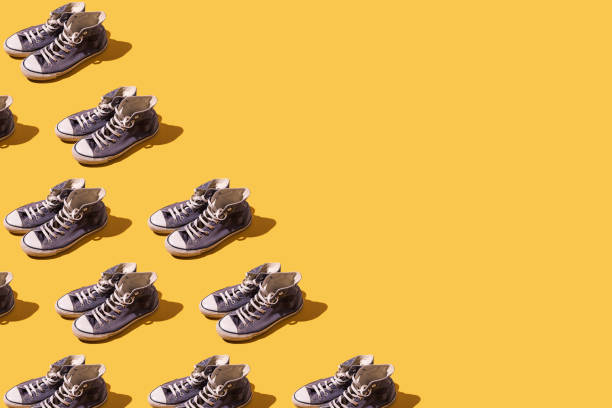
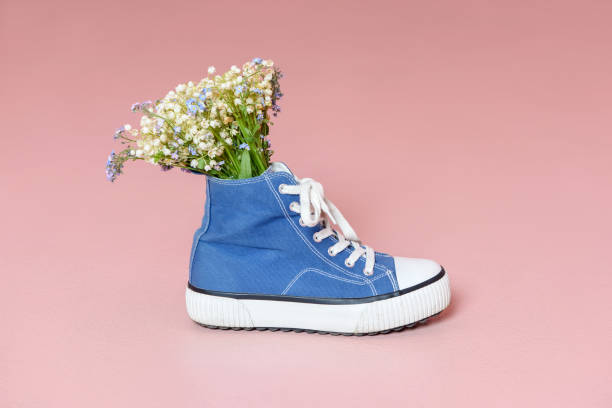
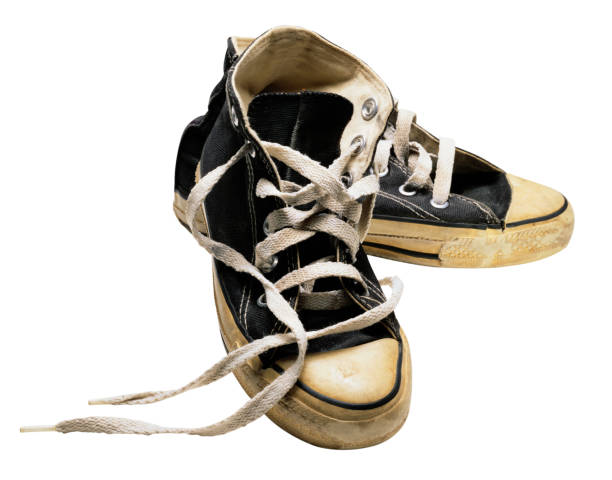
High-top sneakers, with their extended ankle collars, create a distinct visual mass around the lower leg. This added height and bulk can either anchor an outfit or make it feel top-heavy, depending on how the rest of the garments are cut. The key to styling high-tops lies in counterbalancing that ankle mass. Tapered trousers or slim-fit jeans that sit just above the sneaker’s collar provide a clean break, allowing the silhouette to flow naturally from the thigh down to the shoe without a jarring interruption. Cropped pants are a classic companion for high-tops because they expose a sliver of skin or sock, creating a visual breathing room that lightens the ankle area. This trick elongates the leg by preventing the sneaker from visually cutting off the line of the limb. For those who prefer a more relaxed fit, cuffed straight-leg denim achieves a similar effect—the cuff acts as a deliberate frame, drawing the eye to the shoe while maintaining a structured bottom edge.
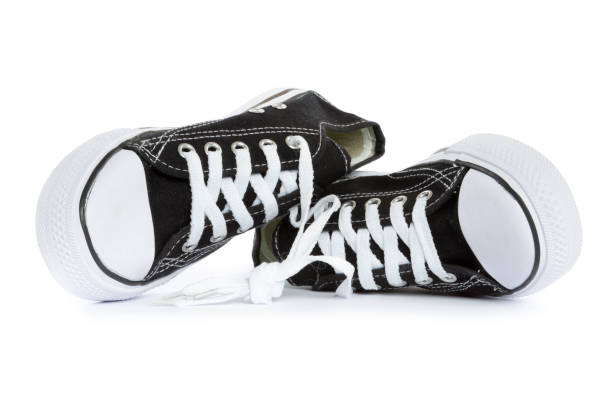
Conversely, low-top sneakers offer a streamlined profile that disappears beneath the hem of most pants. Their strength is subtlety; they allow the rest of the outfit to take center stage without competing for attention. Styling low-tops is all about leveraging their minimalism to create a continuous line from the hip to the toe. Unrolled trousers that fall just to the top of the sneaker, or even slightly covering the tongue, produce a clean, unbroken extension that makes the legs appear longer. This effect is particularly powerful with monochromatic outfits—wearing black low-tops with black pants creates a near-invisible transition that visually adds inches. For shorts or skirts, low-tops expose the ankle fully, which can make the legs seem more slender and elongated. However, this exposure also means the sneaker must be carefully chosen: a chunky low-top with a thick sole can visually shorten the leg if the ankle ring is too high, while a slim, low-profile low-top maintains a graceful taper.
The interplay between high-tops and low-tops extends beyond pants to dresses, skirts, and outerwear. A midi skirt paired with high-tops creates a heavy lower block that can feel unbalanced unless the skirt is A-line or has movement. The high-top’s mass demands a skirt with some volume to echo that weight, or alternatively, a very short hemline to keep the silhouette light. Low-tops under a maxi skirt, on the other hand, allow the fabric to flow freely, with the sneaker peeking out only occasionally—this preserves the skirt’s drama while anchoring the look with a casual touch. In colder months, layering adds another dimension: thick socks worn with high-tops can blend into the sneaker’s collar, effectively raising the visual hemline of the pants, while low-tops with no-show socks keep the ankle bare, contrasting with heavy coats and scarves.
Proportion control also involves considering the wearer’s own body shape. High-tops can make shorter individuals appear even shorter if the shoe is too bulky relative to the leg’s length. To counter this, a high-top with a lower cut ankle and a slim sole works better for petite frames, as it adds verticality without excessive horizontal bulk. Low-tops are generally more forgiving for shorter statures because they do not interrupt the leg line. For taller individuals, high-tops can be used to break up height intentionally, creating a more grounded, casual silhouette. The choice also affects how the eye travels: high-tops draw attention downward to the feet, making them ideal for showcasing a rare colorway or collaboration, while low-tops let the footwear recede, allowing a statement jacket or patterned trousers to lead the look.
Ultimately, the mastery of high-top and low-top styling is an exercise in visual mathematics. Every cuff, every hem length, every sock choice contributes to a formula that either enhances or disrupts the natural lines of the body. By treating the sneaker not as an isolated accessory but as an active participant in the silhouette, a sneaker enthusiast can transform a simple outfit into a carefully composed expression of personal style. The next time you reach for a pair, consider not just the shoe itself but the story it tells about the legs they will accompany—because the difference between a high-top and a low-top is rarely an inch; it is a complete shift in perspective.
Articles