The Adidas Superstar and the Birth of Sneaker Culture in Hip-Hop

Few shoes have ever transcended their original purpose to become a cultural artifact, a symbol of rebellion, and a cornerstone of an entire movement. The Adidas Superstar, with its unmistakable shell toe and three-stripe branding, did exactly that. Originally designed in 1969 as a basketball shoe, the Superstar quickly proved its durability on the hardwood, but its true legacy was forged not in arenas but on the streets, in subway stations, and on the turntables of a burgeoning hip-hop scene. The Superstar’s evolution from athletic equipment to the unofficial uniform of a generation represents a pivotal moment in the history of footwear, demonstrating how a shoe can become an extension of identity, rhythm, and resistance.
The early 1970s saw the Superstar adopted by professional basketball players like Kareem Abdul-Jabbar, who valued its full-leather upper and the protective rubber toe cap designed to withstand the pounding of the court. Yet by the late 1970s, as hip-hop began to emerge from the Bronx, the shoe found a new audience. Breakdancers, known as b-boys and b-girls, required sneakers that could endure the friction of spins, slides, and freezes on cardboard or concrete. The Superstar’s durable shell toe allowed dancers to pivot without shredding the fabric, while the flat rubber sole provided the grip needed for complex footwork. The shoe’s design—simple, bold, and unapologetically athletic—matched the raw, energetic spirit of early hip-hop. It was not a fashion statement initially; it was a tool for movement, a piece of gear that enabled dancers to push their physical limits.
As hip-hop evolved into a full cultural force encompassing graffiti, MCing, and DJing, the Superstar followed. The late 1980s and early 1990s marked the shoe’s most iconic era, thanks in large part to the group Run-D.M.C. In 1986, the Queens trio released their seminal album Raising Hell, and with it came a track titled “My Adidas.” The song was an anthem of brand loyalty, but more importantly, a declaration of ownership over a product that had been embraced by the streets. Run-D.M.C. proudly wore the Superstar without laces, a style choice that turned the shoe into a symbol of effortless cool and defiance against conventional norms. This partnership between the group and Adidas was transformative: it was one of the first major corporate endorsements from a rap act, a move that blurred the lines between street culture and commercial branding. The Superstar was no longer just a basketball shoe or a dancer’s tool; it had become the visual shorthand for hip-hop authenticity.
The cultural significance of the Superstar extends beyond mere aesthetics. Its adoption by hip-hop artists signaled a shift in how fashion was consumed and created. Prior to this, high-fashion and athletic wear existed in separate spheres. The Superstar, along with other sneakers like the Puma Clyde and Nike Air Force 1, helped break down those barriers. Wearing a clean pair of shell-toes with a tracksuit or jeans became a uniform for a generation that valued self-expression over conformity. The shoe’s minimalist design allowed it to be dressed up or down, but its street cred was nonnegotiable. For young people in urban communities, owning a pair of Superstars was a rite of passage, a marker that you understood the culture.
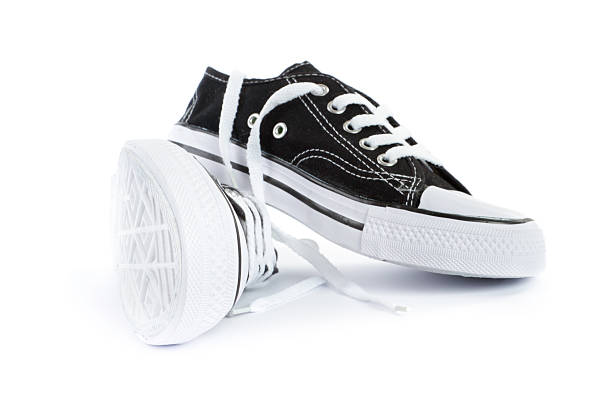
The shell toe itself became an icon. Its distinctive shape, resembling a clam or a shell, provided both function and form. The perforated three stripes, originally intended for breathability, became a visual signature instantly recognizable across the globe. The Superstar’s construction was robust enough to survive the rigors of subway performance and extended dance battles, yet its clean lines made it suitable for the stage and the recording studio. This duality—utility meeting style—is what elevated the shoe from a mere product to a legend. It was worn by everyone from breakdancers in New York spray-painted murals to rappers in platinum-selling music videos, and eventually to skaters, punks, and fashion enthusiasts.
The Superstar also played a crucial role in the rise of sneaker collecting. As limited editions and collaborations emerged in the 1990s and 2000s, the original shell-toe remained the benchmark. The shoe’s Hall of Fame status is secured not just by its history, but by its continued relevance. Modern iterations pay homage to the classic while introducing new materials and colorways, yet the core design has remained largely unchanged for over half a century. This consistency is rare in the fast-paced world of fashion, and it speaks to the Superstar’s timeless appeal.
Perhaps the most profound legacy of the Adidas Superstar is its role in democratizing fashion. In a culture where status often dictates access, the Superstar was affordable, durable, and accessible. It did not require a designer label or a high price tag to be respected. Instead, it earned its place through sweat, rhythm, and the unbreakable connection between the shoe and the people who wore it. From the basketball court to the Bronx block parties to the global stage, the Superstar’s journey mirrors the trajectory of hip-hop itself: born in humble beginnings, transformed by creativity and resilience, and ultimately recognized as a vital, enduring icon. The shell toe remains not just a piece of rubber and leather, but a monument to street culture’s power to reshape the world.
Articles