The Air Bubble That Conquered the World: How Nike Ran From Blue Ribbon to Global Glory

In the late 1960s, Blue Ribbon Sports was just an ambitious import business. Founded by University of Oregon track coach Bill Bowerman and his former student Phil Knight, the company distributed Japanese shoes from the trunk of a car. Within a decade, that modest operation renamed itself Nike, after the Greek goddess of victory, and set in motion a process that would completely redefine what a sneaker could be. The path from a tiny distributor to the most powerful athletic footwear corporation in history was not paved by luck. It was paved by an unfailing commitment to radical engineering, consumer emotion, and an ability to tell simple stories about human aspiration. Nike’s own evolution is, in many ways, a mirror of the larger transformation of sports culture itself.
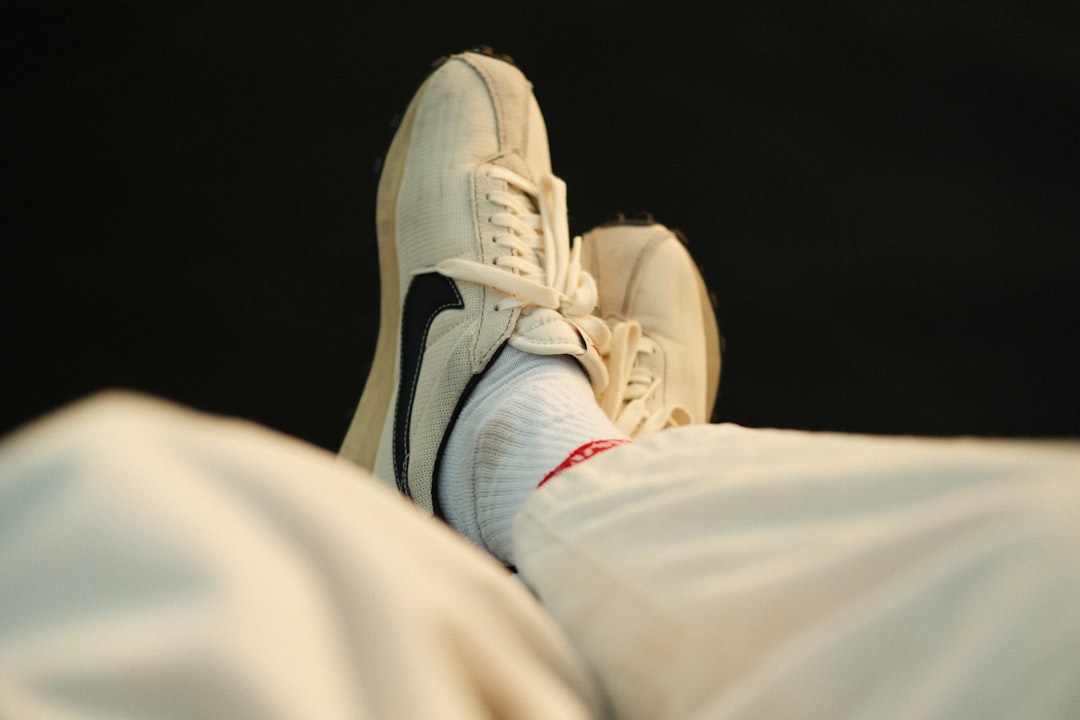
Before the swoosh became the world’s most recognizable mark, Blue Ribbon Sports had to find an identity. In 1971, Phil Knight famously paid a graphic design student, Carolyn Davidson, thirty-five dollars for a logo that would later define the brand. That swoosh, representing wing and motion, was initially mocked by Knight as looking like a checkmark. But it captured the kinetic spirit that Nike wanted to embody. The same year, the company introduced its first own-brand shoe, the Nike Cortez. Designed specifically for training and distance running, the Cortez helped the company shed its importer status. It signaled that Nike was no longer content to ride on another manufacturer’s coattails. The transition from Blue Ribbon Sports to Nike was thus a conscious act of self-creation, a determination to be the architect of its own destiny rather than a passive witness to someone else’s success.
Then came the running boom of the 1970s, a time when jogging gained mass popularity across America. Bowerman, obsessed with creating lightweight yet durable shoes, famously experimented with a household waffle iron to produce a treaded outsole. That whimsical invention led to the Nike Waffle Trainer in 1974, a shoe that offered superior grip and heralded Nike’s departure from being a mere follower of athletic trends. It was the first hint that the company intended to lead through invention rather than imitation. Still, the most seismic shift occurred when former NASA engineer Frank Rudy proposed filling a shoe sole with pressurized gas. Bowerman and Knight, initially skeptical, gave Rudy a chance. The result was the development of a sealed air pouch, a cushioning system that simply did not exist anywhere else. This was not an incremental improvement. It was a leap into the unknown, one that would eventually carry Nike far past every rival in the industry.
When Nike released the Tailwind in 1979, the air cushioning was hidden inside the midsole. Runners felt its spring but could not see it. That changed in 1987 when designer Tinker Hatfield chose to expose the air unit through a transparent window in the heel of the Air Max 1. The visible bubble was an aesthetic masterpiece. It turned a technical component into a conversation piece. Suddenly, sneakers were not just worn; they were examined, discussed, and desired. The Air Max model became an object of vivid visual identity. With every new generation, the window grew larger, the colors grew louder, and the hype grew stronger. Nike understood that perceptible innovation creates a sense of ownership. By displaying the very mechanism that made the shoe special, the brand invited every customer to feel like a participant in the technological journey, not merely its endpoint.
None of that innovation would have translated into global dominance without a corresponding genius in marketing and athlete partnerships. In 1984, Nike signed Michael Jordan, a rookie basketball player with dazzling moves and an uncompromising attitude. The Air Jordan I, released in 1985, broke every unwritten rule of sneaker design. It was bold, brash, and visually provocative. When the NBA banned the shoe for violating its uniform policy, Nike leaned into the controversy, paying Jordan’s fines and creating advertisements that framed the ban as a badge of honor. This act transformed Jordan from an athlete into a mythological figure. The Air Jordan brand soon became its own market, eventually generating billions of dollars and sustaining entire subcultures. Alongside it, the “Just Do It” campaign, launched in 1988, elevated Nike’s message to a universal mantra. Winning athletes and casual wearers alike internalized the brand’s call to action, cementing Nike not as a manufacturer but as a movement.
Through four decades of aggressive growth, Nike never abandoned its roots as a disruptor. The company diversified into basketball, soccer, tennis, and skateboarding. It faced criticism over labor practices and environmental impact, yet it consistently outmaneuvered rivals through expensive research, signature designs, and scarcity-driven release calendars. The sneaker resale market, obsessive collector culture, and museum exhibitions dedicated to Air Jordans all trace back to that single air bubble. Today, the swoosh is everywhere, from Olympic podiums to rap lyrics, from Silicon Valley conference rooms to streetwear drops. Blue Ribbon Sports began as a middleman; Nike became the message. Its history demonstrates that true dominance in footwear is not about being first or fastest at any single moment, but about refusing to stop reinventing the source of every footprint. The air, once trapped in a sole, has never stopped expanding into the wider world of commerce, consciousness, and culture. And that is precisely why the swoosh still runs ahead of all the rest.
Articles