The Science Behind Flat Soles: Why Skateboarding Shoes Prioritize Board Feel
In the world of sneaker design, few categories demand as much precision and compromise as skateboarding footwear. While running shoes emphasize cushioning and basketball sneakers prioritize ankle support, skate shoes are built around a single, almost obsessive goal: maximum board feel. This tactile connection between foot and skateboard is achieved primarily through the use of flat, thin soles. But the decision to minimize sole thickness is not merely a stylistic choice; it is a functional necessity born from the physics of board control, the demands of flicking and flipping, and the unforgiving nature of concrete landings.
At the heart of board feel is proprioception—the body’s ability to sense position, movement, and pressure through nerve endings in the feet. A thick, heavily cushioned sole acts as a buffer, dulling the subtle vibrations and pressure variations that a skater relies on to know exactly where the board is in relation to their feet. When performing an ollie, for instance, the skater must slide their front foot up the grip tape to lift the nose. The timing of that slide, the angle of the foot, and the pressure applied are all dependent on real-time feedback transmitted through the sole. A flat, low-profile sole allows the foot to rest closer to the board, turning the shoe into a sensitive instrument rather than a clumsy barrier. This is why many professional skate shoes feature soles that are barely five millimeters thick in the forefoot, a stark contrast to the plush midsoles found in running shoes.
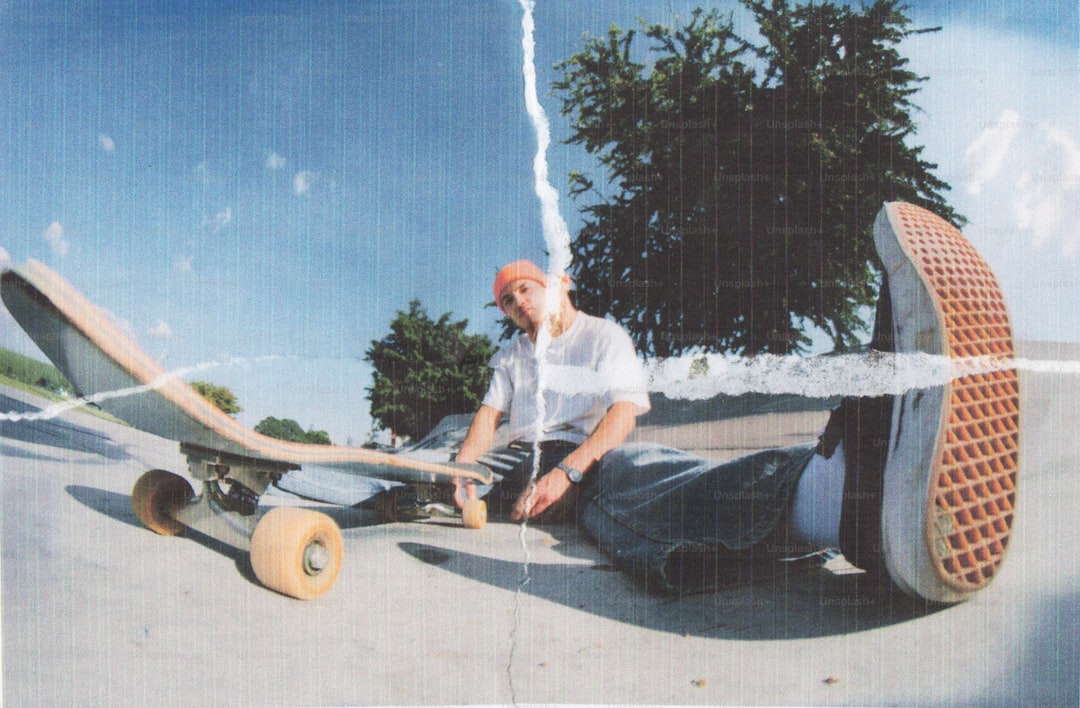
The flatness of the sole is equally important. Unlike athletic shoes that often have a curved or rockered shape to promote a rolling motion during walking or running, skate shoes are designed with a completely flat outsole. This flat profile maximizes surface contact with the skateboard deck, providing a stable platform for landing tricks and distributing weight evenly. When a skater lands a kickflip or a heelflip, the board often lands at an angle, and a curved sole would cause the foot to roll or slip off the grip tape. A flat sole, combined with a waffle-tread pattern pioneered by brands like Vans, ensures that the shoe grips the board’s surface without being so sticky that it prevents the foot from sliding and snapping the board during tricks. The balance between grip and slip is a delicate one, and the flat sole is the foundation on which that balance is built.
However, the pursuit of board feel creates a fundamental tension with another critical requirement: impact protection. Skateboarding involves repeated, high-impact landings from jumps, stairs, and rails. A thin, flat sole offers almost no cushioning, meaning that the bones and joints of the foot must absorb the full force of a landing. Over time, this can lead to stress fractures, plantar fasciitis, and chronic heel pain. To address this, modern skate shoe designers have developed a range of compromises. Some brands incorporate a thin layer of shock-absorbing material like polyurethane or EVA foam directly under the footbed, while keeping the outsole flat and minimal. Others use an impact-absorbing insole that can be removed or replaced, allowing the skater to customize the level of cushioning without sacrificing board feel. The most innovative solutions involve dual-density midsoles, where a firmer, denser foam sits directly under the ball of the foot for feel, and a softer, more cushioned area supports the heel. Yet even these advances cannot fully resolve the inherent trade-off: more sole thickness always reduces tactile sensitivity.
The shape of the toe also plays a role in this delicate equation. Skate shoes are typically designed with a slightly rounded, upturned toe that helps protect the foot during drags and flicks while still allowing the sole to remain flat. The toe cap is often reinforced with rubber or suede to prevent the shoe from wearing through when the skater drags their foot for a trick. This reinforcement must not add excessive bulk that would interfere with board feel. Similarly, the side panels of the shoe are often flat and minimally padded to avoid distorting the foot’s perception of the board’s edge. Every element of skate shoe construction is a response to the central premise that the foot must know the board intimately.
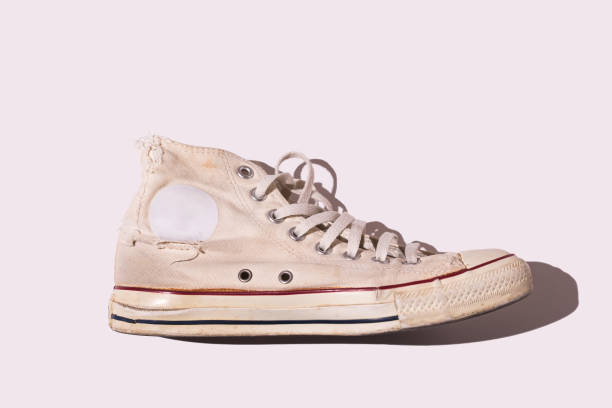
The evolution of skate shoe design reflects a continuous refinement of this balance. In the early days of skateboarding, skaters simply wore canvas deck shoes like Vans Authentic or Converse All Stars. These shoes were flat and thin almost by accident—they were designed for casual wear, not for board control. But skaters quickly discovered that these minimal shoes offered unparalleled feel, and the industry responded by developing dedicated skate models that retained the flat sole while introducing durability features like double-stitched seams, padded collars, and vulcanized rubber construction. The vulcanization process, which bonds the sole to the upper using heat and chemical curing, creates a lightweight, flexible, and low-profile shoe that remains the standard for board feel today. Cupsole construction, which involves cementing a thick sole to the upper, offers more durability and cushioning but sacrifices feel, and is therefore less common among skaters who prioritize flip tricks and technical street skating.
Ultimately, the flat sole of a skate shoe is not a design limitation but a deliberate engineering choice. It represents a philosophy that favors connection over comfort, precision over protection. For the skater, the ability to feel every grain of grip tape, every subtle shift in the board’s angle, and every vibration from the wheels is worth the price of impacted landings and shorter shoe lifespan. The flat sole is the conduit through which the skater’s intentions become the board’s motion—an unspoken language of pressure, slide, and snap. Understanding this science transforms a simple sneaker into an essential tool, one that has shaped not only the sport of skateboarding but also the broader sneaker culture. From the Vans Old Skool to the Nike SB Dunk, every iconic skate shoe owes its legacy to the humble, flat sole that keeps the foot in conversation with the pavement.
Articles