The Air Force 1’s Influence on Streetwear and Fashion
When Bruce Kilgore designed the Nike Air Force 1 in 1982, he could not have predicted that his basketball shoe would become a cornerstone of global streetwear. Originally conceived as a performance sneaker for hardwood dominance, the Air Force 1 quickly transcended its athletic origins to infiltrate the worlds of hip-hop, art, and high fashion. Its journey from a practical court shoe to a symbol of cultural identity is a testament to design genius, strategic marketing, and the organic power of community endorsement. Today, the Air Force 1 remains one of the most influential sneakers in history, not merely as a nostalgic relic but as a living blueprint for how a shoe can shape how people dress, express themselves, and define status.
The moment that cemented the Air Force 1’s place in streetwear came from the streets of New York City in the mid‑1980s. As hip‑hop culture exploded, rappers and breakdancers adopted the shoe for its chunky silhouette and sturdy construction. The Air Force 1 became more than footwear; it was a badge of authenticity. Artists like Run‑D.M.C. famously championed the brand, and the shoe’s clean lines made it a natural canvas for personal style. Unlike the low‑top basketball sneakers of the era, the Air Force 1’s elevated sole and padded collar offered a distinct visual weight that matched the bold attitude of early hip‑hop. This grassroots adoption set the stage for the sneaker’s transition into everyday fashion, proving that what works on the court can also work on the sidewalk when worn with confidence.
Nike’s decision to discontinue the Air Force 1 in 1984, only to bring it back in 1986 after overwhelming demand from Baltimore sneaker stores, marked a pivotal moment in sneaker culture. The resurrection of the shoe, fueled by grassroots retailer persistence, turned the Air Force 1 into a limited‑edition phenomenon before that concept even had a name. Retailers like Cinderella Shoes and Downtown Locker Room recognized the shoe’s cult following and pushed Nike to produce exclusive colorways for their regions. This regional exclusivity created a fierce collector mentality. Owning a rare Air Force 1 colorway became a status symbol, and the shoe’s ability to be customized with different hues and materials laid the groundwork for the vast world of sneaker customization we see today. The Air Force 1 thus became the original “blank canvas” for both Nike’s design teams and independent artists.
As the 1990s unfolded, the Air Force 1 evolved from a niche hip‑hop staple into a mainstream fashion accessory. Its influence spread beyond the United States, finding enthusiastic adopters in Japan, Europe, and eventually across the globe. In Japan, the shoe was embraced by the Ura‑Hara streetwear scene, where pioneers like Hiroshi Fujiwara and NIGO^ of A Bathing Ape celebrated its simplicity and versatility. The Air Force 1’s high‑top version, the Air Force 1 High, also became a favorite among skaters and punk subcultures, further diversifying its appeal. The shoe’s ability to adapt to different subcultural languages ensured its longevity. It was simultaneously a hip‑hop icon, a skater shoe, a fashion statement, and a collector’s item, all without losing its essential identity.
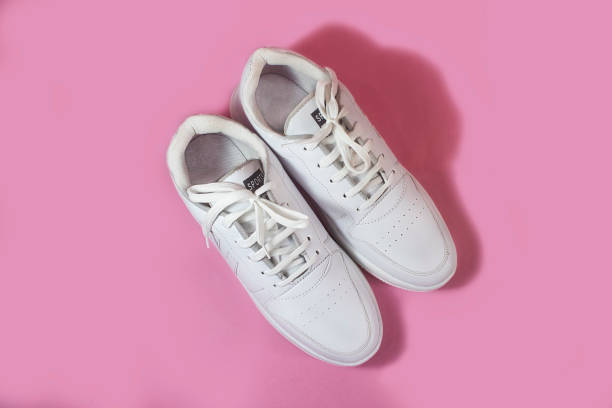
The turn of the millennium saw the Air Force 1 enter the high‑fashion arena. Collaborations with luxury brands and celebrated designers elevated the sneaker from streetwear staple to runway must‑have. Partnerships with Virgil Abloh’s Off‑White, Travis Scott, and Supreme transformed the Air Force 1 into an art object, with resale prices soaring into thousands of dollars. Yet even as it climbed into rarefied air, the shoe never abandoned its roots. The classic all‑white “Cement” and “White on White” colorways remained bestsellers, proving that the original design still resonated with purists. This duality—accessible yet aspirational, affordable yet coveted—is what makes the Air Force 1 a perpetual fixture in streetwear. It democratizes style: anyone can wear a pair of white Air Force 1s and feel connected to a lineage that spans basketball courts, subway platforms, and fashion weeks.
In contemporary culture, the Air Force 1 continues to evolve while honoring its heritage. Nike regularly releases new iterations with modern materials, such as recycled components and advanced cushioning, but the silhouette remains instantly recognizable. The shoe’s influence can be seen in countless imitations and homages from other brands, but none have replicated its cultural gravity. It serves as a reference point for designers who want to create sneakers that bridge performance and lifestyle. Moreover, the Air Force 1 has become a symbol of resistance and creativity. During social movements, the shoe has been customized with messages of unity and protest, demonstrating that a sneaker can carry meaning beyond aesthetics.
Ultimately, the Air Force 1’s impact on streetwear and fashion is immeasurable because it represents more than a shoe. It is a shared language, a marker of belonging, and a canvas for self‑expression. From the breakdancers of 1980s New York to the collectors of 2020s Tokyo, the Air Force 1 has proven that a great design is timeless. It continues to inspire new generations to lace up and step into a legacy that began on the basketball court and now stretches across every corner of global style.
Articles