The Essential Guide to Skateboarding Shoes: Flat Soles for Maximum Board Feel
Skateboarding shoes are not a fashion statement first. They are a critical piece of functional equipment, engineered for one primary purpose: connecting the skater to the board. At the heart of this design philosophy lies the flat sole, a non-negotiable feature that defines the category and separates it from all other sneaker types. This is about performance, durability, and the tactile feedback known as board feel.
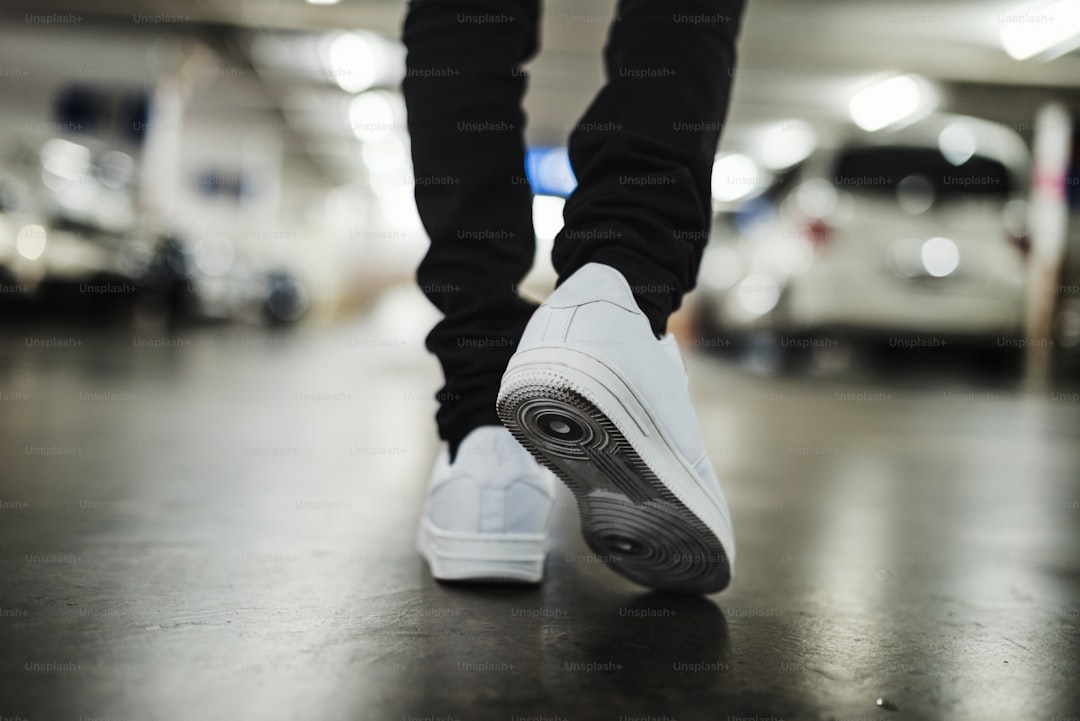
The flat sole, often called a vulcanized or cupsole construction, is fundamental. Unlike running shoes with arch support and pronounced tread, or basketball shoes with elevated heels and aggressive patterning, the skate shoe’s sole is deliberately, uncompromisingly flat. This creates a vast, stable contact patch with the skateboard’s grip tape. Every micro-adjustment in foot placement, every shift of weight for a flip trick or a carve, is communicated directly through the sole. This sensitivity, this direct transmission of information from board to foot, is what skaters call board feel. It is the difference between controlling a trick and merely being along for the ride. A thick, cushioned, or curved sole dulls this connection, adding a layer of disconnect that can sabotage precision.
But the flat sole is only the foundation. The entire construction of a skate shoe is a lesson in purpose-driven design. The upper is typically made from suede, a material chosen not for its aesthetics but for its superior durability and abrasion resistance against the relentless sandpaper-like grip tape. Canvas, while classic and breathable, often fails under the repeated friction of ollies and kickflips. Reinforcements are strategically placed in high-wear areas—the ollie zone at the toe, the sides for flip tricks, and the heel for impact absorption. These are often double- or triple-stitched and may include rubberized caps or thermoplastic overlays. The stitching itself is a point of differentiation; exposed stitching on the sole can be ground down during slides without immediately compromising the shoe’s integrity.
The lacing system is also built for battle. Many skate shoes feature protected lace loops or even hidden lace systems to prevent them from being shredded during board slides. The tongue is typically thickly padded and often gusseted or connected to the inner lining to keep it in place and block debris. The midsole provides essential impact protection for absorbing the constant shocks from landing jumps, but it is carefully calibrated to not interfere with the essential flat profile. The outsole uses a specific rubber compound—softer than a typical sneaker for better grip, yet durable enough to withstand the abrasion of pavement and grip tape. The herringbone or geometric tread pattern is shallow and flat, designed for surface grip without catching on the board’s edge.
From a sneaker culture perspective, brands like Vans, Nike SB, Adidas Skateboarding, Converse CONS, and éS have built legendary Hall of Fame status not just through marketing, but through decades of on-board validation. Models like the Vans Half Cab, the Nike SB Dunk, or the Adidas Busenitz are icons because they work. They represent a perfect convergence of functionality and subcultural identity. For the collector, a worn-in pair of skate shoes tells a story of use that is central to their value. At Sneakerholic, we understand that appreciating these models requires an understanding of their technical genesis. The skateboarding shoe is a testament to the principle that in sneaker culture, the most revered designs are often those born from the strictest functional demands. They are tools that became legends, all starting with that essential, unyielding flat sole.
Articles