The Anatomy of a Fake Leak: How to Spot Misleading Sneaker Spy Shots
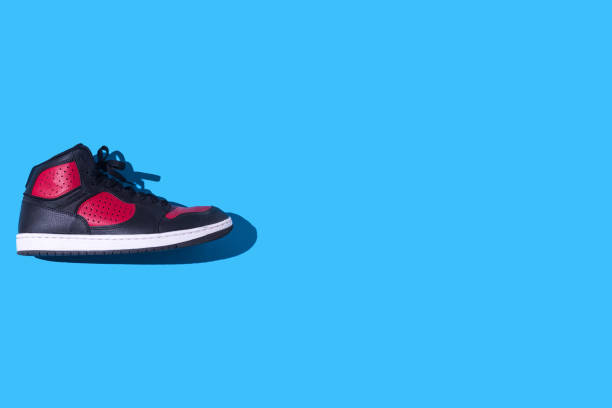
The sneaker industry thrives on anticipation, and few things fuel that fire like a grainy, early photograph of an upcoming release. These so-called spy shots, leaked weeks or months before an official announcement, send forums into a frenzy. Yet for every genuine preview that accurately predicts a future colorway, there are dozens of fakes, fabrications, and outright forgeries designed to manipulate hype, gather clicks, or simply prank the faithful. Learning to evaluate these images with a critical eye is not just a hobbyist skill but a survival tactic in modern drop culture, where misinformation can distort market expectations and leave collectors chasing phantoms.
The most common red flag in a suspicious spy shot is poor resolution paired with strategic obscuring. A leaker who wants to appear credible often blurs the silhouette, crops out the heel tab, or shoots at such an angle that key design elements are hidden. While genuine leaks are sometimes captured hastily by factory workers or retail employees, they typically retain enough visual data to identify signature details like the outsole tread pattern, the stitching along the eyestay, or the shape of the heel counter. If an image is so fuzzy that you cannot count the lace holes, yet it claims to be the first look at a highly anticipated retro, skepticism is warranted. Similarly, watch for lighting that is oddly uniform, as if the shoe were shot in a studio rather than on a filthy warehouse floor. Many fakes are cobbled together from existing product photos and then desaturated, cropped, or overlaid with a grainy filter to simulate a low-quality leak.
Another major tell is the presence of prototype or sample tags that do not match known industry conventions. Nike and Jordan Brand, for example, often use specific hang tags or inner-label stamps that change seasonally. A leaked image that shows a size tag with a suspiciously clean font or a QR code that looks like it was copied from a different shoe should raise alarms. Adidas Yeezy samples, meanwhile, frequently have handwritten size markings inside the collar. If a supposed spy shot of a new 350 V2 shows a printed label instead, the image is almost certainly a replica or a render. Authentic samples also often have small asymmetries like uneven glue lines or slight color mismatches that a hoaxer would either miss or overcorrect. The most convincing fakes are those made by 3D artists who model the shoe from existing references and then add artificial wear, smudges, or dust to mimic a real factory floor photograph. These digital creations can fool even experienced collectors because they reproduce exact proportions, but they almost always lack the subtle texture variations found in genuine injection-molded or stitched materials.
Timing is another critical factor. Legitimate leaks tend to surface in clusters around specific industry events: pre-production samples at Asian trade shows, production run photos during Chinese New Year factory shutdowns, or images snapped during secret athlete fittings. An isolated image that appears out of nowhere, with no preceding rumor chain or corroborating source, is statistically more likely to be a hoax. Furthermore, check the background of the image. A real spy shot often includes contextual clutter: a half-filled pallet, a co-worker’s hand, a dirty concrete floor, or a stack of shoe boxes with recognizable brand logos. A fake leak will frequently have a neutral or nonexistent background, or worse, a background that is a direct copy from an earlier genuine leak. Reverse image search has become an essential tool. If a so-called spy shot turns up in a 2021 forum post about a different shoe, it is either a recycled fake or an honest mistake, but either way it should be treated as unconfirmed.
Beyond technical analysis, one must consider the source. Social media accounts that post nothing but unverified rumors and have no track record of accuracy should be viewed with extreme caution. Established leakers in the sneaker community usually build their reputations over years, and they rarely risk that credibility by posting a single, shaky image without additional context or a known chain of custody. If an account with two followers and a username like “sneaker_news_2024” is the first to post a claimed leak, the odds of authenticity are near zero. Even legitimate sources sometimes get duped by sophisticated renders, but they will often issue corrections when the community points out inconsistencies.
The impact of believing a fake spy shot extends beyond personal disappointment. Resale markets can spike or crash based on leaked images, and unscrupulous sellers may use fabricated leaks to create artificial demand for replicas or to drive up prices of existing pairs that they claim are being discontinued. Savvy collectors learn to treat every unconfirmed image as entertainment until official confirmation arrives from the brand. That does not mean dismissing all leaks outright, but rather applying a methodical checklist: check the resolution, the background, the sample tags, the source’s history, and the timing. Only when multiple independent signals align should a spy shot be considered even partially credible. In a culture where the next drop is always around the corner, patience and critical thinking are the best protections against being misled by a cleverly faked photograph.
Articles