The Anatomy of a Spy Shot: Separating Fact from Fiction in Sneaker Rumors
Every season, a single grainy image surfaces on a niche forum or a private Instagram story and sends the sneaker world into a collective frenzy. The photograph is often taken from an awkward angle, lit by the cold glare of a factory floor, and shows a shoe that has never been seen before. These are spy shots—unconfirmed, unsanctioned, and wildly speculative glimpses into the future of sneaker releases. For the enthusiast who lives by the release calendar, evaluating these images is both an art and a science, a delicate dance between hope and skepticism that defines the very culture of anticipation.
The first and most critical step in evaluating any spy shot is understanding its provenance. A leak that originates from a verified factory worker, a trusted insider with a long track record, or a retail employee who has handled samples carries far more weight than a mysterious account with three followers and a stock image. Provenance is not just about who took the picture but how it arrived in the public domain. Many rumors begin as intentional marketing plants—brands deliberately allow certain images to “leak” to gauge consumer excitement or to build momentum before an official announcement. Conversely, genuine leaks often come with contextual clues: the background of the photo, the presence of packaging, production tags, or even the time of year. A sharp eye can spot the difference between a controlled leak and a true bootleg.
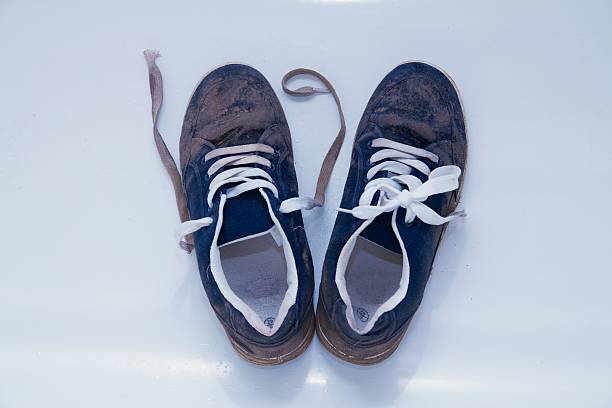
Beyond provenance, the technical details of the image itself offer a wealth of information. Resolution, lighting, and framing can reveal whether the photo was taken hastily or staged. A genuine spy shot is rarely perfect. It may show a shoe sitting on a dirty factory floor, with stitching visible and glue marks apparent. The materials look real because they are real—not the heavily polished renders of an official campaign. Examining the shape, the sole unit, the midsole tooling, and the placement of logos can help an enthusiast cross-reference with known silhouettes or upcoming collaborations. For example, if an alleged Air Jordan 4 spy shot shows a toe box that is slightly too bulbous or a heel tab that lacks the signature nub, the likelihood of it being a fake or a prototype increases.
Yet even a convincing spy shot is only half the story. The timing of the leak matters deeply. A rumor that surfaces six months before an expected release might be a genuine sample, but it could also be a custom build from a third-party workshop that mimics the brand’s design language. Seasonal patterns exist: most major brands finalize samples about a year in advance, so a spy shot appearing three months before a scheduled drop might be a production unit, while one appearing two years early is almost certainly a one-off or a fabrication. The rumor ecosystem also has a self-correcting mechanism. When multiple independent sources, across different platforms and countries, post similar images with consistent details, the rumor gains credibility. But when a single image circulates without corroboration, the prudent collector waits.
The emotional pull of a spy shot is undeniable. It triggers the same dopamine rush as an early trailer for a blockbuster film. This psychological component is precisely why brands and resellers both benefit from the rumor mill. An unconfirmed spy shot can inflate resale prices before a shoe even exists, creating artificial scarcity and demand. The savvy enthusiast learns to separate the thrill of discovery from the reality of production. Many highly anticipated “leaked” models never see a retail release. They remain samples, employee exclusives, or concept designs that die in the boardroom. Others become the basis for counterfeit production, where factories in unauthorized regions reverse-engineer the visual from a spy shot and mass-produce fakes long before the official shoe drops.
Evaluating unconfirmed spy shots also requires a working knowledge of the brand’s production timeline and historical practices. Nike, for instance, often holds secret design vaults where future models are developed years in advance, but only a handful ever make it to market. Adidas frequently tests new materials on limited-run samples that are later scrapped. A spy shot that shows a radically different take on a classic silhouette—like a Yeezy 350 with an unexpected upper—may be an experimental sample that would never see a single retail shelf. Brand insiders and product developers sometimes leak these images to build personal clout, not to inform the public.
Ultimately, the most valuable skill in release rumor culture is patience. The difference between a fleeting rumor and a confirmed drop is the official announcement. No matter how authentic a spy shot looks, it remains a rumor until the brand itself places it on a calendar. The discipline of waiting for a press release, a tease from the brand’s official account, or a detailed preview from an authorized retailer is what separates the true collector from the hype-chaser. In a world where every grainy image can spark a thousand clicks, the ability to evaluate with a critical eye preserves both sanity and wallet.
The cycle of rumor and release will never end. Each new spy shot brings the same excitement, the same risk, and the same lesson: the most thrilling part of a sneaker’s story is not the drop itself, but the journey of figuring out what is real.
Articles