The Anatomy of a Statement Sneaker: Design Elements That Define an Era
A sneaker is never just a sneaker when it dares to shout rather than whisper. Statement sneakers—those bold, oversized, platform-heavy designs that command attention—have become a defining force in contemporary fashion. Their power lies not in subtlety but in exaggeration: a thickened sole, a bulbous silhouette, a clash of unexpected materials. Understanding what makes these shoes speak so loudly requires peeling back the layers of design philosophy, cultural context, and technological innovation that have elevated them from functional footwear to wearable art.
At the heart of every statement sneaker is the sole. The chunky sole, often two or three inches thick, serves as both a visual anchor and a declaration of defiance against minimalist conventions. This exaggerated base transforms the entire proportion of the foot, creating a silhouette that feels architectural rather than athletic. Early iterations like the Buffalo Platform sneakers of the 1990s introduced this concept to mainstream youth culture, pairing height with an almost cartoonish roundness that rejected the sleek, aerodynamic shapes of performance running shoes. Today, the chunky sole has been reimagined with layered foam, translucent segments, and sculptural tread patterns that mimic the look of tractor tires or futuristic machinery. These soles are not merely functional; they are the foundation of a sneaker’s identity.
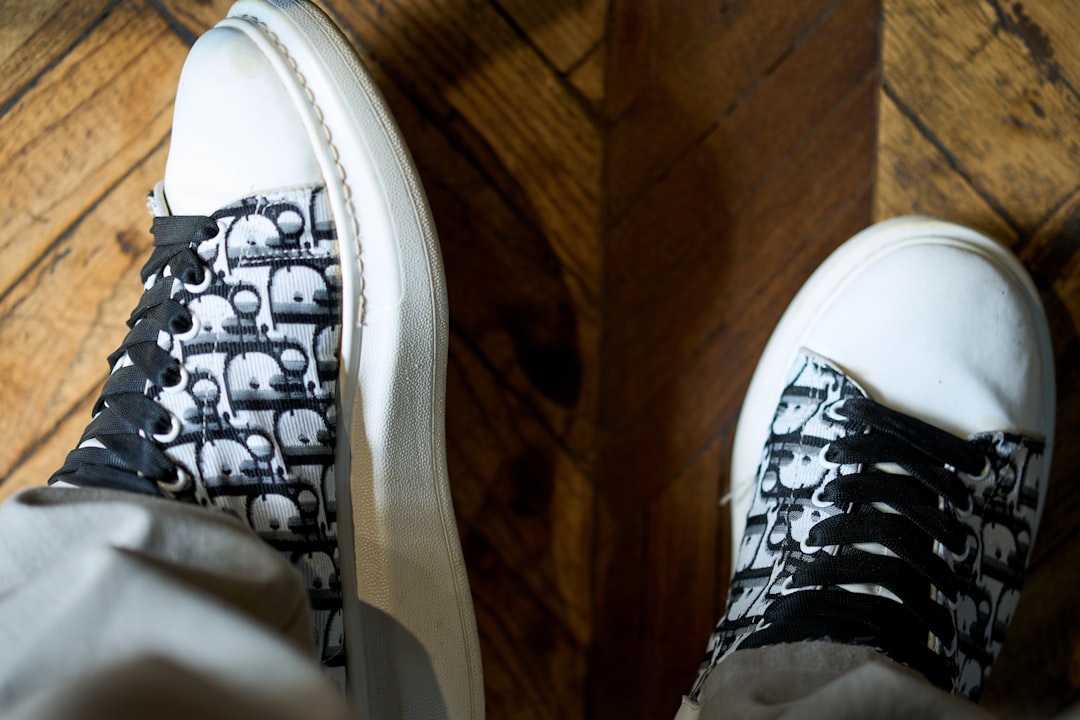
The upper of a statement sneaker follows a similar philosophy of excess. Where traditional sneakers prioritize lightweight mesh and breathable synthetics, statement designs often layer leather, suede, nylon, mesh, and even metallic finishes in a single shoe. Padding becomes generous, tongues grow oversized, and collars wrap around the ankle like a plush pillow. This aggregation of materials creates a sense of volume and texture that draws the eye. Each panel serves as a canvas for contrast stitching, reflective details, or bold branding. The result is a shoe that feels three-dimensional, almost sculptural, in a way that demands to be noticed from across a room.
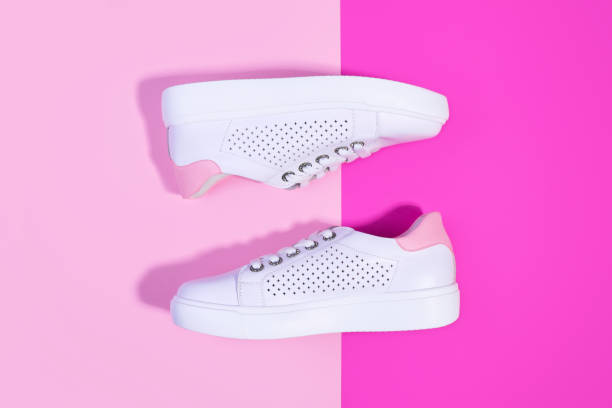
Color plays an equally critical role. Statement sneakers often embrace hues that would be considered garish in other contexts: neon greens, electric blues, fire engine reds, and stark whites interrupted by black accents. Monochrome palettes can also make a statement, but they rely on stark tonal contrasts or unexpected material finishes. A pure white chunky sneaker with glossy patent leather overlays can be as loud as a rainbow-colored pair because its purity and volume create a visual weight. Designers also use color blocking to break up the shoe’s mass, guiding the eye across the silhouette in deliberate patterns that mimic abstract art.
The cultural resonance of these designs cannot be separated from their historical contexts. The early 2000s saw the rise of “ugly” sneakers as a deliberate backlash against the sleek, minimalist footwear of the previous decade. Brands like Skechers and New Balance capitalized on this shift, while luxury houses such as Balenciaga later propelled the chunky aesthetic into high fashion with the Triple S, a shoe that looked as if it had been assembled from salvaged running shoe parts. This deliberate ugliness became a marker of authenticity and irony, signaling that the wearer was in on the joke. Platform sneakers, meanwhile, have carried a different kind of symbolism, often tied to subcultures that rejected conventional femininity. From the raised soles of 1970s disco to the towering platforms of 1990s rave culture, these shoes have long been associated with empowerment and rebellion.
Technological advances have enabled these dramatic shapes without sacrificing wearability. Modern foam compounds, such as EVA and polyurethane, can be molded into chunky forms that remain lightweight and cushioned. Air units and gel inserts provide comfort despite the height, while rubber compounds offer traction on bulky treads. Manufacturers have also developed manufacturing techniques that allow for complex layering of materials without excessive weight. The result is a sneaker that looks heavy but feels surprisingly nimble, encouraging wearers to embrace the aesthetic without compromising daily function.
Styling a statement sneaker requires a shift in mindset. These shoes naturally become the focal point of any outfit, which means the rest of the wardrobe must either complement or contrast their boldness. Wide-leg trousers that graze the top of the sole, cropped jeans that expose the ankle, or even dresses and skirts that play with proportion all work harmoniously. The key is to let the sneaker lead, treating it as the anchor of the ensemble rather than an afterthought. This approach has turned the statement sneaker into a sort of democratic fashion icon, accessible to anyone willing to embrace its oversized charm.
Ultimately, the statement sneaker endures because it offers more than footwear: it offers an attitude. It declares that the wearer is unafraid of attention, comfortable with excess, and aware of the playful tension between fashion and function. Every exaggerated sole, every bold color, every layered panel is a brushstroke in a larger portrait of personal style. As the boundaries between streetwear, luxury, and everyday dressing continue to blur, the statement sneaker remains a steadfast reminder that sometimes the loudest voice is the one that speaks through your feet.
Articles