The Archivist in the Room: A Collector on Sneaker Memory, Resale, and Community

The room feels more like a library than a closet. Sneaker boxes rise in neat columns, each labeled with year, model, and colorway. Marcus Chen, a collector and unofficial archivist, moves through the aisles with the calm of a curator. He has spent more than two decades gathering not just rare pairs but the stories attached to them. “Every pair is a timestamp,” he says. “It marks where you were, who you knew, what music you played, what game you watched.” For him, collecting is not about accumulating objects. It is about preserving memory in a culture that often moves too fast to remember.
Chen began with a single pair of basketball shoes, bought secondhand because he could not afford new ones. He wore them until the sole separated, then kept them anyway. That decision became a habit. He learned to scan stitching, compare tongue height, and ask older collectors about details that no release calendar listed. In an interview, he describes those early years as an education in patience. The hunt took him to flea markets, local shops, and mailboxes. The internet changed everything. Forums and social media made information instant, but they also made desire competitive. What once required a tip from a friend now required a refresh button.
Resale, Chen argues, is neither villain nor savior. It is a mirror. When a shoe sells for ten times retail, the market is reflecting a story that people want to own. That story might be a championship, a design breakthrough, or a childhood memory. The danger comes when price becomes the only language. Then collectors stop asking why a shoe matters and start asking only what it is worth. Chen has watched friends leave the culture because every release felt like a financial transaction. He has also watched newcomers enter through resale and fall in love with the history behind the receipt. The difference, he says, is whether curiosity survives the purchase.
Community is the part of collecting that cannot be boxed. Chen credits mentors who taught him how to store leather, slow oxidation, and repair midsoles. He has spent weekends at trade meets where the real currency is trust. A fair trade begins with a conversation, not a cash offer. On forums and group chats, collectors share authentication tips, flag stolen samples, and organize charity raffles. These small acts form an oral history. Designers and industry insiders sometimes tap that knowledge when researching retro releases. Collectors notice subtle changes in shape, font, and materials. Their obsession can be inconvenient, but it keeps brands honest. When a retro gets the details right, the community celebrates. When it cuts corners, collectors speak.
Interviews with designers and industry insiders often reveal how deeply collector culture shapes the market. A designer may cite a forgotten runner from the late 1990s as inspiration, while a brand manager may admit that forum feedback changed a release strategy. Chen sees these conversations as bridges. They turn private obsession into public context. When a collector interviews a designer, the questions are specific: Why this sole? Why that logo? What was lost in the retro? Those details matter because they attach meaning to merchandise. They also remind everyone that sneakers are designed objects, not just assets.
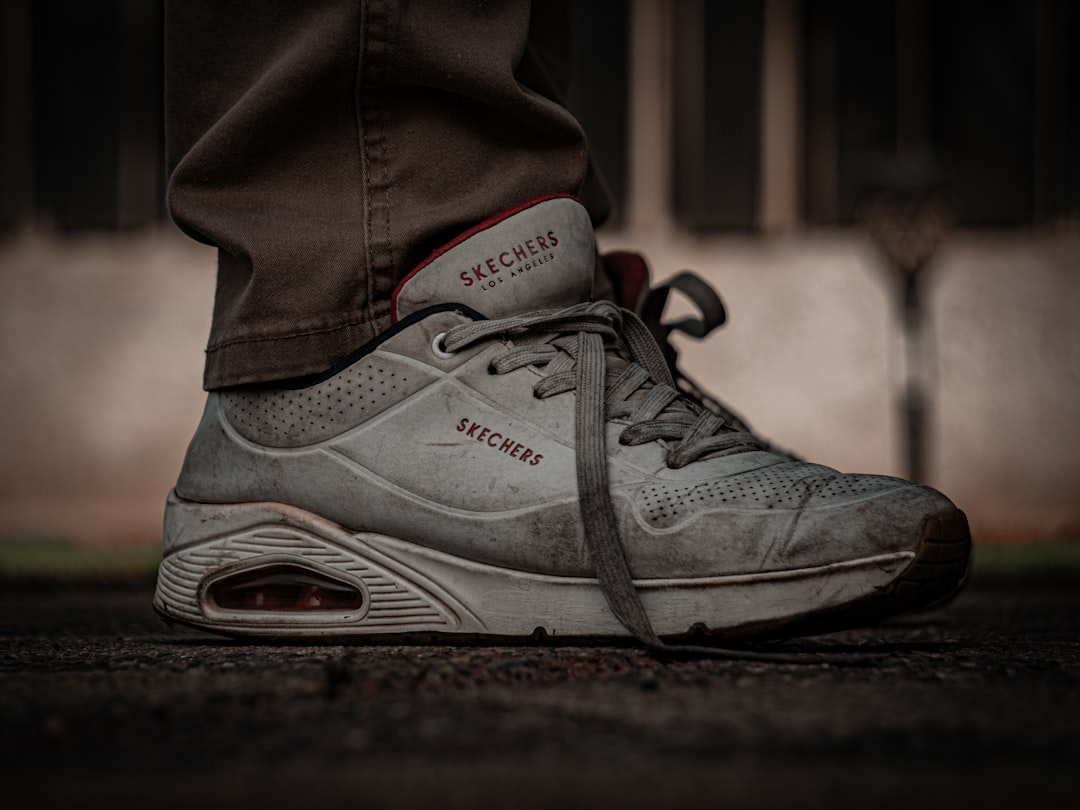
Preservation is a discipline. Heat, humidity, light, and time attack rubber, foam, and glue. Chen rotates his pairs, stores them with acid-free tissue, and keeps silica packets nearby. Yet he refuses to treat sneakers as museum objects that can never be worn. “A deadstock pair is a promise,” he says. “A worn pair is a story.” He has creased toes, scuffed heels, and faded prints, and he would not trade them for pristine duplicates. For him, the scuffs are evidence of a life lived in the culture. He also believes collectors have an ethical duty. They should document provenance, refuse stolen goods, and resist the urge to turn every friendship into a negotiation.
The next generation inherits both opportunity and noise. There are more releases, more resale platforms, and more voices than ever. Chen hosts students in his archive and records interviews with older collectors. He lends pairs to exhibitions and reminds young enthusiasts that a collection is only as valuable as the knowledge around it. Without memory, resale is just speculation and design is just trend. With memory, every pair carries a lineage that stretches from a factory floor to a playground to a shelf and back out into the world. The room may be climate-controlled, but the culture inside is warm, human, and always in motion.
Articles