The Unseen Hero: How Midsole Cushioning Defines All-Day Comfort and Break-In Experience
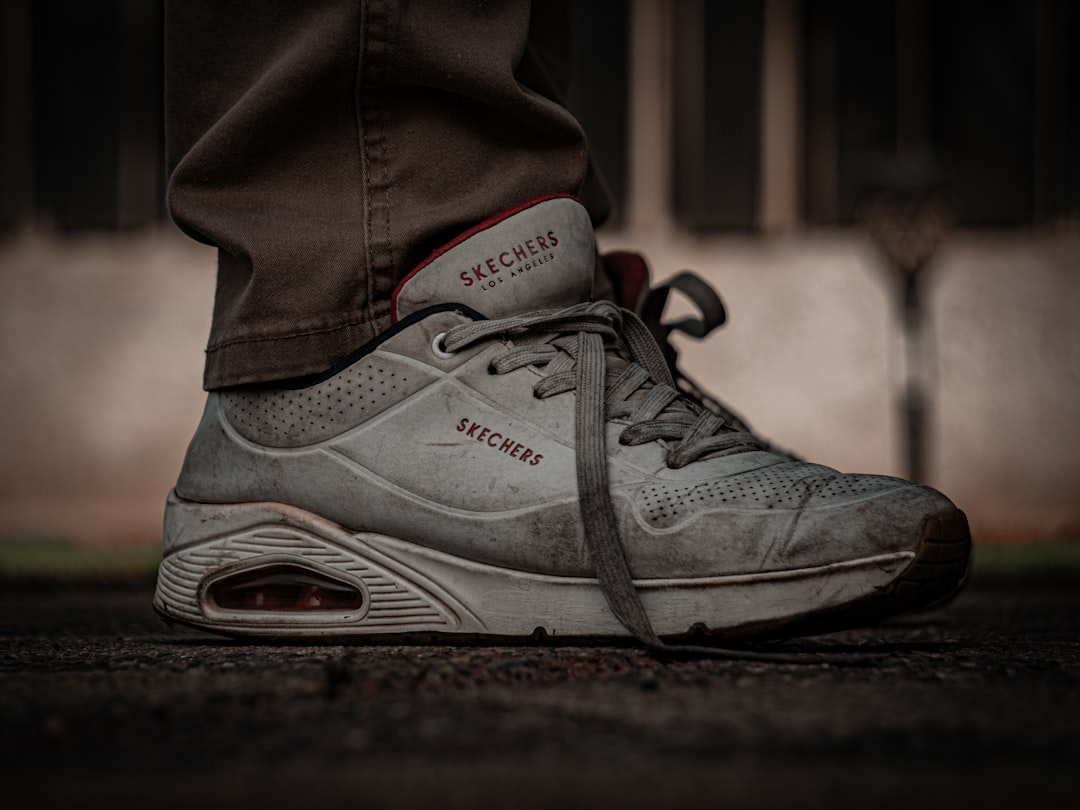
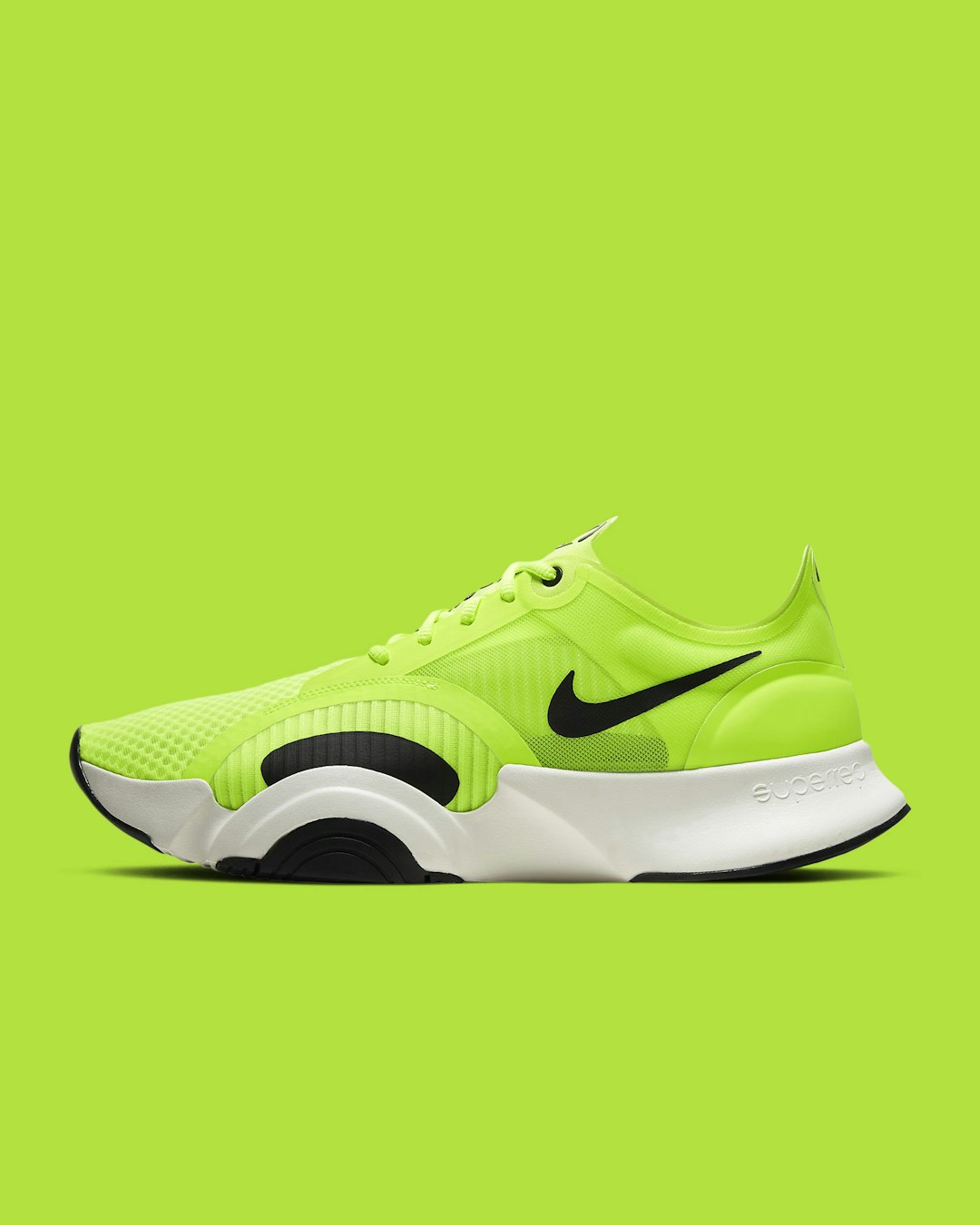
When sneaker enthusiasts discuss comfort, attention often falls on plush insoles, padded collars, or breathable uppers. Yet the true arbiter of all-day wearability and the nature of a shoe’s break-in period lies deeper—inside the midsole. This layer, composed of foam, gel, air pockets, or advanced compounds, absorbs impact, provides energy return, and dictates how a shoe feels from the first step to the thousandth. Understanding midsole cushioning is essential for anyone seeking a sneaker that transitions seamlessly from morning commutes to evening social events without surrendering to fatigue.
The concept of “all-day wear” is deceptively simple. A shoe that feels comfortable for an hour may become unbearable after eight. The midsole’s density and resilience directly influence this endurance. Dense foams like polyurethane offer firm support and exceptional durability, but they often require a prolonged break-in period during which the material gradually molds to the foot. Conversely, lightweight ethylene-vinyl acetate (EVA) foams feel soft immediately but may compress over prolonged use, leading to a loss of cushioning within weeks. Modern innovations have sought to bridge this gap. For instance, Adidas Boost, made of thermoplastic polyurethane (TPU) pellets fused together, provides a balance of initial softness and long-term bounce. Its closed-cell structure resists compression set, meaning the shoe retains its shock-absorbing properties even after months of daily wear. This characteristic is why many users report that Boost-equipped sneakers require virtually no break-in period—the foam is already forgiving from the first stride.
Yet break-in periods are not universally undesirable. Some wearers prefer a gradual adaptation, as it allows the shoe to conform uniquely to their gait and pressure points. Leather-lined sneakers with foam midsoles, for example, often benefit from a week or two of short walks before they achieve peak comfort. During this time, the outsole flexes, the upper loosens, and the midsole “softens” through micro‑compression. However, a poorly designed midsole can turn break-in into a punishment. If the foam is too stiff or the heel-to-toe drop is mismatched to the wearer’s anatomy, the result is arch pain, blisters, or shin splints. The best all-day sneakers anticipate this by incorporating graded density foams—firmer near the heel for stability, softer under the forefoot for propulsion. This engineering allows a shoe to feel comfortable immediately while also improving with age.
The rise of supercritical fluid foams, such as those used by Puma (Nitrogen-infused) or New Balance (FuelCell), has further refined the break-in experience. These foams are treated with gas under high pressure, creating a uniform cell structure that is both light and responsive. Critics note that these materials sometimes feel “dead” initially—lacking the lively rebound of traditional foams—but after about five miles of walking or light running they miraculously open up. This phenomenon, often called the “spring point,” occurs as the foam’s internal bonds loosen and the gas disperses evenly. For the all-day wearer, this means the first day might be merely good, but the second and third days become exceptional. Understanding this cycle helps consumers avoid returning a shoe prematurely.
Another critical factor in all-day comfort is the interplay between the midsole and the sockliner. Many sneakerheads remove the factory insole to replace it with custom orthotics, but modern midsoles are increasingly designed to work in concert with the sockliner. For example, the Nike React foam in the Joyride or Pegasus series uses a two‑layer approach: a top layer of soft foam for immediate step‑in comfort and a denser bottom layer for stability and durability. This construction reduces the break-in period because the top layer compresses quickly while the bottom layer retains structure. The result is a shoe that feels plush from day one yet does not bottom out after weeks of use.
Finally, environmental conditions affect midsole performance. Heat softens foam, cold stiffens it. A sneaker that feels perfect during a summer walk may feel like a board in winter. This thermal sensitivity is especially pronounced in polyurethane foams, less so in EVA variants. For all-day wear across seasons, a midsole that maintains consistent compliance—such as those using hybrid blends—is preferable. The break-in period also shifts with temperature; cold weather extends the time needed for foams to become pliable.
In summary, the midsole is the foundation of all-day wearability and the arbiter of the break‑in period. Whether a shoe offers instant gratification or a gradual reveal depends on the foam’s density, chemistry, and multi‑layer design. By focusing on these unseen components, sneaker enthusiasts can make informed choices that transform a purchase from mere fashion into a daily companion that supports both body and soul.
Articles