The Art and Science of Deadstock Sneaker Preservation
Owning a deadstock sneaker is an act of time travel. A pair that remains unworn, with its original box, tissue paper, and factory tags intact, is not just footwear; it is a frozen artifact of a particular moment in sneaker history. Yet preserving that moment requires more than simply leaving the shoes in a closet. The forces of nature are relentless, and every polymer, pigment, and adhesive will eventually surrender to oxygen, light, humidity, and gravity. For collectors who treat unworn sneakers as investments or heirlooms, deadstock preservation is a discipline that combines material science, obsessive ritual, and a deep respect for the object itself.
The greatest enemy of deadstock sneakers is oxidation. The very air that surrounds a pair slowly changes its chemistry, most visibly in the midsole. The translucent or white polyurethane foam used in countless iconic silhouettes, from the Air Jordan III to the Nike Air Max 1, yellows naturally as it reacts with oxygen and ultraviolet light. This process cannot be reversed, only delayed. The key is to reduce exposure to the triggers. Storing sneakers in a cool, dark, and dry environment slows oxidation dramatically. Many collectors use opaque plastic bins or acid-free archival boxes, sealing each pair with silica gel packets to control moisture. A consistent temperature around sixty to sixty-five degrees Fahrenheit is often cited as an ideal range, because heat accelerates chemical reactions, while cold can cause materials to become brittle. Some serious enthusiasts even use wine refrigerators or climate-controlled storage units dedicated solely to their collections.
Humidity is a subtler but equally destructive factor. Dampness encourages mold and mildew, which can permanently stain suede, nubuck, and leather. It also weakens the adhesives that bond soles to uppers, a common failure point in older sneakers. On the other hand, air that is overly dry can crack leather and cause synthetic materials to shrink. Keeping a stable relative humidity between forty and fifty percent is the target. Silica gel, desiccant packs, and even moisture-absorbing chalks are standard tools, but they must be monitored and replaced regularly. A simple digital hygrometer inside a storage container offers constant feedback, allowing collectors to adjust before damage occurs.
Light is another silent destroyer. Ultraviolet radiation breaks down the chemical bonds in dyes and polymers, fading colors and causing yellowing. Sunlight is obvious, but indoor artificial lighting can also take a toll over years of exposure. Deadstock sneakers should never be displayed in direct sunlight, and even display cases should use UV-filtering acrylic or glass. Many collectors rotate their displayed pairs, returning each pair to dark storage after a few weeks, so that no single sneaker bears too much cumulative light exposure. When storing, the original box can be placed inside a larger protective container, with the sneakers wrapped in acid-free tissue paper. Newspaper should be avoided because the ink and acidic paper can transfer to the shoe over time.
The eternal controversy in deadstock preservation is whether to keep sneakers in their original boxes or remove them for storage. The box holds significant value in the resale market, and a pair without its box is often worth twenty to thirty percent less. However, keeping the sneakers inside the original box can be problematic if the box is made of acidic cardboard. Over decades, this cardboard can yellow and degrade, potentially affecting the sneakers themselves. The safest approach is to store the sneakers separately from the box, with the box kept flat and protected in a plastic sleeve. Alternatively, the sneakers can remain in the box but be sealed inside a large Mylar or polypropylene bag with oxygen absorbers. Mylar is preferred by many archivists because it does not off-gas or degrade like PVC.
The structure of the sneaker also needs support. Unworn shoes are not immune to gravity. If left on a shelf for years, the midsoles can compress under the weight of the upper, causing the shoe to take on a flattened, slouched profile. Many collectors stuff their deadstock pairs with tissue paper or use adjustable shoe trees that maintain the original shape without stretching the materials. Silica gel packets should be placed inside the shoe as well, but care must be taken that the packets do not press against the interior lining.
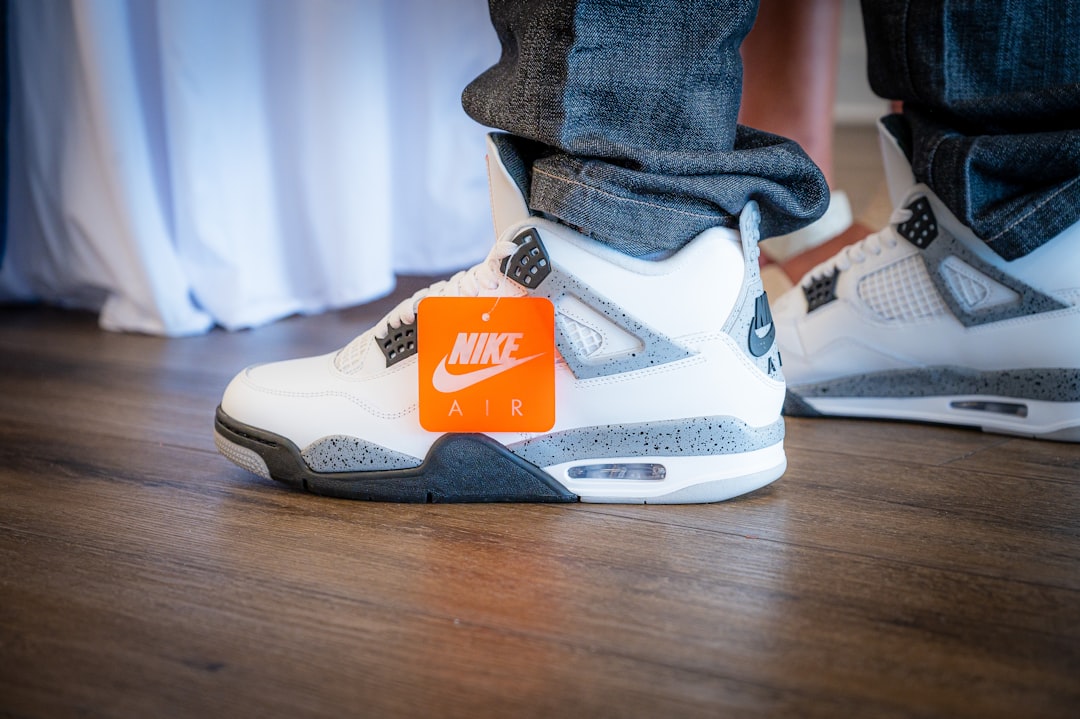
The resale economy has elevated deadstock preservation from a hobbyist concern to a serious financial practice. A pair of original Air Jordan 1s from 1985, still unworn with its box, can command tens of thousands of dollars on the collector market, while a pair with cracked soles and severe yellowing might bring only a fraction of that. Condition grading scales used by authentication platforms reward unblemished midsoles, intact heel tabs, and crisp box labels. Consequently, collectors now approach their sneakers as they would rare comic books or vintage vinyl records, documenting their storage conditions and even insuring their collections.
Deadstock preservation is more than a technical checklist; it is a philosophy of patience. Every pair represents a decision to resist the natural flow of decay, to hold onto aesthetic perfection a little longer. In a culture obsessed with newness and scarcity, the deadstock sneaker is a paradox: an object that is perpetually new yet increasingly fragile, valuable precisely because it has never served its intended purpose. To preserve it is to believe that beauty can, for a while at least, be kept in a box.
Articles