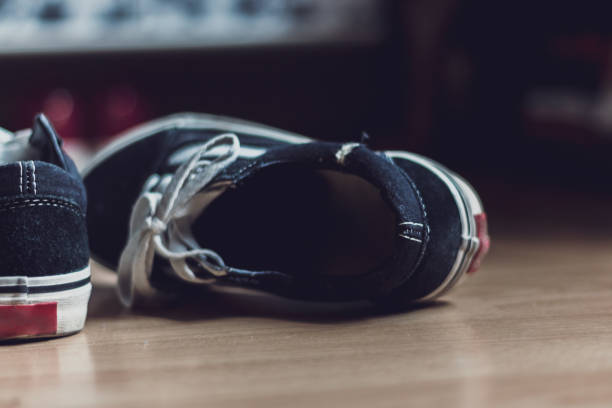
The Art of Patina: How Leather Sneakers Develop Character Over Time

Leather sneakers occupy a unique space in the footwear world, bridging the gap between rugged durability and refined casual style. Unlike canvas or synthetic sneakers that often show wear as deterioration, high-quality leather sneakers age with a grace that few materials can match. This aging process, known as patina, transforms a pair of new leather sneakers into a personalized artifact that tells the story of its owner’s journeys, habits, and lifestyle. Understanding how patina develops, and why it elevates leather sneakers beyond mere footwear, is essential for any enthusiast looking to invest in a pair that will only improve with time.
At its core, patina is the natural change that occurs on the surface of leather as it is exposed to sunlight, moisture, oils from the skin, and the friction of regular movement. Unlike painted or coated materials that chip and peel, full-grain and top-grain leather absorbs these elements, causing subtle shifts in color, texture, and sheen. A brand new pair of brown leather sneakers might appear uniform and almost plastic-like in its perfection, but after a few months of wear, the leather begins to darken on the toe cap from scuffs, lighten on the crease points from repeated bending, and develop a gentle glow on the heel from constant contact with the back of the ankle. This unfolding individuality is what separates a mass-produced shoe from a personal heirloom.
The science behind patina involves both chemical and mechanical reactions. When leather is tanned, it retains natural oils and fibers that react with oxygen over time. As you walk, the leather flexes and compresses, pushing oils to the surface and creating a polished effect known as burnishing. Meanwhile, ultraviolet light from the sun accelerates oxidation, deepening certain tones while fading others. Perspiration and natural skin oils seep into the leather, darkening areas like the collar and tongue. These changes are not flaws; they are the leather’s way of recording your life. A pair of leather sneakers worn on weekend city strolls will develop a different patina than the same pair worn on dusty hiking trails or rainy commutes. The patina becomes a map of your habits.
For collectors and enthusiasts, nurturing patina is an art form in itself. While some prefer to let nature take its course, others actively guide the process through selective care. Avoiding over-cleaning is crucial; harsh soaps and aggressive scrubbing strip away the very oils that contribute to a rich patina. Instead, regular brushing with a soft horsehair brush removes dirt without damaging the surface. Applying conditioners sparingly—only when the leather feels dry—helps maintain suppleness without saturating the material and preventing oxidation. Some aficionados even use techniques like spot conditioning to encourage uneven darkening, creating a two-tone effect reminiscent of vintage dress shoes. The goal is not to prevent aging but to steer it in a desirable direction.
The appeal of patina is deeply tied to the ethical and economic arguments for leather sneakers. A sneaker that develops character over decades is the antithesis of fast fashion’s disposable ethos. When you purchase a well-made leather sneaker, you are entering a long-term relationship. The initial cost may be higher than that of a synthetic alternative, but the return on investment comes in the form of years of service and a gradually unique aesthetic. Each scuff, each crease, each stain that you choose to keep rather than erase adds a layer of history that no new pair can replicate. This is why vintage leather sneakers from brands like Clarks, Alden, or even obscure Italian makers command high prices on resale markets—they come pre-loaded with a story.
But patina is not limited to brown or tan leathers. Black leather sneakers develop a subtle sheen and fine cracking that can look like vintage car upholstery, while white leather—often considered the most high-maintenance—can acquire a warm ivory tone if cleaned carefully and allowed to oxidize naturally. Even brightly dyed leathers, like oxblood or navy, will shift over time, revealing lighter undertones at stress points. The key is to accept that perfection is an illusion and that imperfection is the gateway to beauty. This philosophy resonates strongly with the sneaker community, which has long celebrated wear and tear on classic silhouettes like the Adidas Stan Smith, the Nike Air Force 1 in leather, or the Common Projects Achilles.
For those new to leather sneakers, the idea of deliberately letting a shoe become scuffed may feel counterintuitive. However, embracing patina is a shift in mindset: you are no longer a consumer but a caretaker. Your sneakers are not static objects but evolving companions. With each step, you add a chapter to their biography. And when you finally retire them—perhaps after a decade of faithful service—you will look down at the worn soles, the darkened creases, and the polished heels, and see not decay but a testament to where you have been.
In the end, leather sneakers offer something that no synthetic sneaker ever can: the promise that they will look better the more you wear them. The patina is the proof of that promise, an organic signature of your life in motion.
Articles