The Art of Rotating Your Sneaker Collection: Storage Strategies for Maximum Longevity
Every sneaker enthusiast knows the quiet thrill of unboxing a fresh pair, the crisp creases of unworn leather, the untouched rubber outsole. Yet that pristine state is fleeting unless you master the subtle science of rotation and storage. Rotating your sneakers is not merely a habit for the hyper-organized collector; it is a fundamental act of preservation that extends the life of every pair in your arsenal. When combined with intentional storage solutions—boxes, shelves, and display cases—rotation transforms your collection from a static accumulation into a living, breathing ecosystem where each shoe receives the rest it deserves.
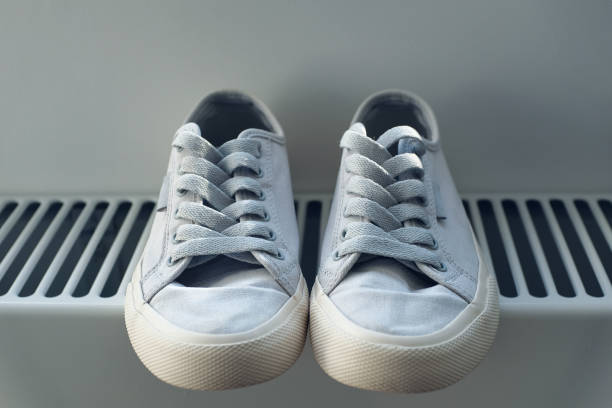
The principle behind rotation is deceptively simple: no shoe should be worn two days in a row. After a day of walking, standing, or even casual wear, the materials inside a sneaker—foam midsoles, textile linings, leather uppers—absorb moisture from your feet and ambient humidity. That moisture becomes trapped if you shove the shoes back into a dark closet or a sealed container without proper drying time. Over repeated wear cycles, the dampness accelerates the breakdown of adhesives, fosters microbial growth that causes odor, and compresses the midsole foam permanently, robbing the shoe of its original cushioning. By giving each pair at least 24 hours of rest, you allow the moisture to evaporate and the foam to rebound. This simple rest period can double the functional lifespan of performance sneakers and keep lifestyle pairs looking newer for longer.
Yet rotation only works if your storage system accommodates it. The moment you remove a pair after a day’s wear, your storage solution must become an active partner in preservation. This is where the choice among boxes, shelves, and display cases becomes critical, not merely aesthetic. For the serious rotator, the ideal setup involves three zones: a designated “resting” area where recently worn sneakers can air out before being stored, a long-term storage zone for pairs that will not be worn for weeks or months, and a display zone for your most prized models where you can admire them without compromising their condition.
Plastic shoeboxes with ventilation holes are a popular choice for the resting zone. Unlike solid, airtight containers, ventilated boxes allow moisture to escape while still protecting the shoes from dust and accidental scuffs. Place a shoe tree inside each pair during this resting period—cedar trees are excellent for absorbing excess moisture and imparting a fresh scent. After 24 to 48 hours, the shoes are ready to move into your main storage system. For long-term storage, consider clear acrylic boxes with UV protection if your collection is exposed to sunlight. UV rays are a silent enemy, yellowing white midsoles and fading vibrant colorways over time. Display cases, especially those with glass doors and internal lighting, can be visually stunning, but beware of heat buildup from bulbs. LED lighting generates minimal heat and is far safer for delicate materials.
Shelving, whether open or behind glass, demands regular rotation of the sneakers themselves to prevent uneven exposure to light and air. A common mistake is to arrange shelves by color or brand and never move the shoes again. Without rotation, the pair on the left edge of a shelf receives more light than the pair on the right, leading to asymmetric fading. By physically rotating which sneakers occupy which shelf positions every few months, you ensure even aging. This practice is especially important for rare collaborations or limited releases that you intend to resell or keep as investments; uneven discoloration can slash a pair’s value dramatically.
The materials of your storage units also interact with rotation. Wooden shelves, while handsome, can leach natural oils or tannins over time if the shoes are stored directly on them. Metal or powder-coated wire shelving is inert and non-reactive. For boxes, avoid cardboard for long-term storage; cardboard is acidic and can cause yellowing on white sneakers, especially in humid climates. Instead, use polypropylene or polyethylene containers that are archival-safe. If you use original shoeboxes for rotation, line them with acid-free tissue paper to create a buffer between the cardboard and the shoe.
Climate control is the final pillar of rotation-based storage. Even the most disciplined rotation schedule fails if the room temperature swings wildly or humidity spikes above 60 percent. A hygrometer placed near your collection lets you monitor conditions. Dehumidifiers and silica gel packs inside boxes are simple, effective tools. For high-value collections, consider a climate-controlled cabinet or even a dedicated wine cooler set to around 55–60 degrees Fahrenheit with stable humidity—such units maintain ideal conditions for sneaker preservation without the cost of full-room HVAC systems.
Ultimately, rotating your sneakers is an act of respect for the craftsmanship and culture they represent. Each pair tells a story of a release day, a worn-in comfort, a favorite outfit. By giving them proper rest and storing them with intention, you ensure those stories continue for years. The subtle art of rotation transforms storage from a passive container into an active ritual—one that keeps your collection vibrant, wearable, and valued.
Articles