The Art of the Sneaker Con Vendor Table: Curating a Booth That Sells Stories, Not Just Shoes
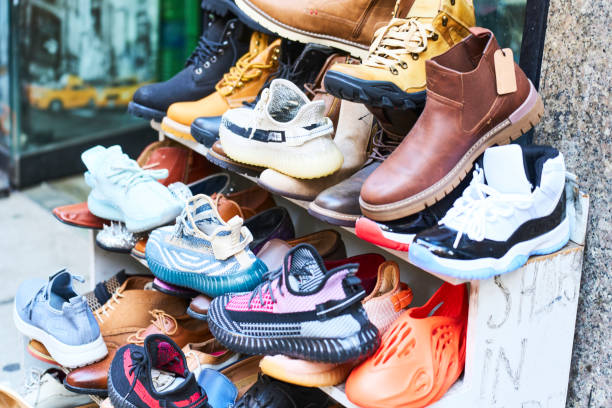
Sneaker conventions have evolved from underground swap meets into sprawling cultural festivals where collectors, resellers, and casual enthusiasts converge under fluorescent lights. For vendors, the difference between a successful day and a disappointing one often comes down to more than inventory. It is about the narrative woven into the table, the atmosphere created by display, and the relationships forged in the few seconds of eye contact before a customer reaches for their phone to check StockX. Vending at a sneaker convention is a performance, and the most memorable booths are the ones that sell stories, not just shoes.
The first mistake many newcomers make is treating their booth like a retail rack. Hanging pairs in neat rows, facing forward, with price tags dangling like laundry tickets. That approach is functional but flat. A veteran vendor understands that every sneaker has a context, a moment in time, and a cultural weight. The best booths create a visual journey. Instead of lining up thirty pairs of Jordan 1s by size, consider grouping by era, by silhouette, or by a thematic colorway story. One table might present the evolution of the Air Max from 1987 to 2020, letting customers walk through the technological and aesthetic changes with their eyes. Another might display a rainbow of Dunks with a small placard explaining the significance of each city-exclusive release. This curation signals knowledge and passion, which in turn builds trust and justifies premium pricing.
Lighting is an often-overlooked tool. The fluorescent tubes overhead are cruel to suede and patent leather. Portable LED strips tucked under the table edge can cast a warm glow upward, highlighting texture and depth. A small clip-on spotlight aimed at a grail pair creates a natural focal point, drawing browsers in like moths. It is not about being flashy; it is about making the merchandise feel valuable before a single question is asked. The same psychology applies to cleanliness. Wiping down outsoles, removing loose threads, and placing pairs on acrylic risers or wooden crates rather than cardboard boxes broadcasts attention to detail. A customer who sees a vendor handling sneakers with care will assume the shoes have been stored that way, and that assumption is worth more than any sales pitch.
Interaction at a convention booth requires a delicate balance of approachability and timing. The impulse to greet every passerby with a firm pitch can backfire, particularly with seasoned collectors who want to browse without pressure. Instead, a nod and a small smile, followed by returning attention to reorganizing a display or wiping a toe box, invites engagement without cornering. When a customer does speak, the conversation should shift quickly from price to story. Ask what they collect. Mention the rare production run of the pair they are eyeing. Share a personal anecdote about how that shoe was worn during a championship game or why the material innovation mattered. These small narratives differentiate the vendor from the algorithm. They also create social proof; the customer will leave feeling they learned something, and they will remember that booth.
Pricing at conventions is an art of transparency and flexibility. With real-time market data available on every smartphone, trying to inflate prices beyond reason invites cynicism. Instead, a vendor can use the in-person setting to justify slight premiums through added value. Offer a free lace swap, a dust bag from another brand, or a handwritten care card. Bundle deals that reward multiple purchases encourage larger transactions while making the buyer feel like they won a negotiation. Never be afraid to leave money on the table for a return customer. A small discount today can yield a loyal wholesale connection or word-of-mouth referrals that pay dividends at the next show.
Acquiring inventory for conventions also requires strategic thinking. It is tempting to bring the newest releases, but those often have the tightest margins and the most competition. Savvy vendors hunt for the oddities: regional exclusives, deadstock from niche collaborations, or pairs with subtle production flaws that do not affect wear. These pieces attract the eyes of serious collectors who already own everything mainstream. Furthermore, a table that mixes grails with affordable beaters creates an entry point for younger enthusiasts. Selling a clean pair of old-school New Balance for fifty dollars can start a conversation that ends with a trade or a referral to a high-end buyer later in the day.
Community building on the convention floor goes beyond individual sales. Vendors who take breaks to walk the floor, visit other tables, and compliment a competitor’s display earn respect. The sneaker world is surprisingly small, and every handshake is a potential future consignment or collaboration. Some of the most successful vendors use conventions to scout for rare finds in other booths, offering trades that benefit both parties. This collaborative spirit turns a one-day event into an ongoing network of collectors who trust each other with six-figure deals behind the scenes.
Finally, the aftermath of a convention matters as much as the setup. Follow up with customers who left business cards or instagram handles. Send a thank-you message, share a photo of the booth, and ask how they are enjoying their purchase. Post-event content, especially behind-the-scenes reels of the setup process or a showcase of pairs that almost sold, keeps the momentum alive for the next show. Each convention is not an isolated transaction but a chapter in an ongoing relationship between vendor and community.
In the end, the best vendors at any sneaker convention are not the ones with the highest volume or the flashiest prices. They are the ones who understand that a sneaker is never just a sneaker. It is a memory, a status symbol, a piece of art, and a connection to a larger culture. When a vendor respects that truth and builds their booth around it, the shoes sell themselves.
Articles