The Science of Lateral Support: Why Your Ankles Need More Than Just a High Collar
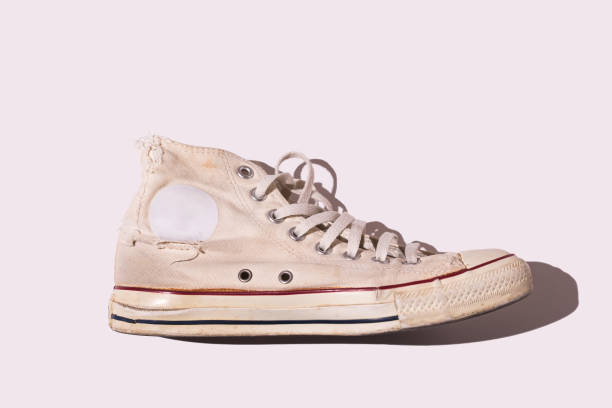
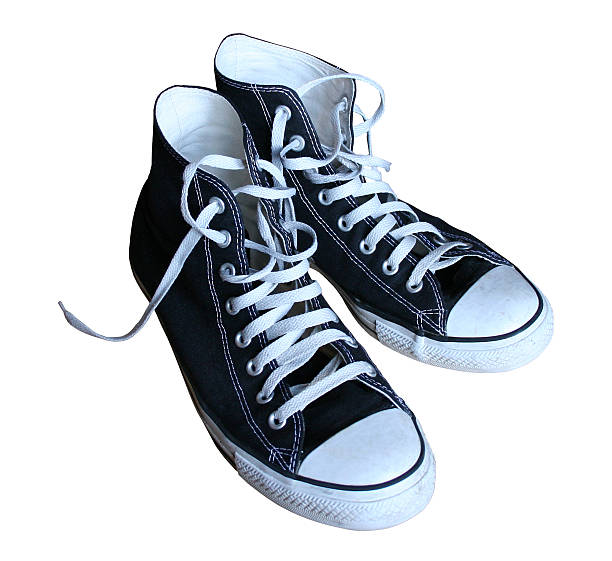
For decades, sneaker consumers have equated ankle stability with collar height. The logic feels intuitive: a shoe that wraps higher around the ankle must lock the joint in place, preventing the painful roll that sidelines athletes during a lateral cut or defensive slide. Yet modern sports medicine and footwear engineering tell a far more nuanced story. High-top collars offer compression and a psychological sense of security, but true lateral support emerges from a complex interaction of outsole geometry, midsole density, chassis torsion, and lacing architecture. For anyone training in a gym, sprinting baseline to baseline on a basketball court, or lunging into a forehand on the tennis hardcourt, understanding this integrated system is the difference between explosive lateral movement and a season-ending inversion sprain.
The most overlooked component of lateral stability is the outrigger, a flared extension of the outsole that projects beyond the midsole’s footprint on the lateral side of the shoe. When an athlete plants the foot and leans into a hard change of direction, the ground reaction force travels through the lateral edge of the shoe. Without an outrigger, that edge collapses under its own soft foam, allowing the foot to tilt excessively. A well-designed outrigger acts as a physical fulcrum, widening the base of support and forcing the foot to roll over the extrusion rather than continuing to fold underneath. Sneaker engineers carefully tune outrigger width for court sports like volleyball and squash, where rapid lateral stepping occurs in milliseconds. A too-narrow outrigger gives nearly no protection, while a too-wide one can catch the court surface, tripping the athlete. The best designs angle the outrigger slightly upward toward the toe to facilitate smooth heel-to-toe transitions without sacrificing the lateral brake.
Another critical element hides in the midsole’s density gradient. Many trainers use a firm medial post or a stiffer foam density along the lateral side of the sole to resist compression during single-leg squats or lateral band walks. This concept, borrowed from running stability shoes, works differently for court sports. Instead of correcting pronation, a lateral midsole wall serves as a secondary outrigger by creating a vertical ledge that cradles the calcaneus and cuboid bones. Brands like those seen in premium basketball lines often fuse a plastic or TPU cage into the sidewall, extending upward from the outsole. This sidewall visually resembles a chassis, but its real purpose is to reduce the strain on the peroneus longus muscle during rapid side-to-side decelerations. When the lateral ankle ligament begins to stretch, the sidewall engages before the ligament does, effectively slowing the inversion moment.
Underneath the foot, the midfoot shank plays a silent yet polarizing role. Torsional rigidity, or the resistance to twisting along the longitudinal axis of the shoe, directly impacts lateral support. A flexible trainer that allows the forefoot and heel to twist independently is comfortable for walking but dangerous for cutting. During a lateral push-off, the foot naturally pronates and supinates in a rapid sequence. An overly stiff shank forces the ankle to absorb the entire rotational stress, while a completely soft shank lets the midfoot collapse, sending excessive motion into the subtalar joint. Elite court sneakers balance these extremes by placing a carbon fiber or nylon shank that permits mild flexion but resists twisting. This subtle property allows the athlete’s hip and knee to control the movement rather than the ankle being at the mercy of a flimsy platform.
Lacing systems also contribute more to lateral security than many realize. Traditional horizontal lacing pulls the medial and lateral eyestays together, but modern performance shoes incorporate dynamic lacing wings that attach directly to the midsole or outsole. When tightened, these wings wrap the entire midfoot and rearfoot, cinching the heel into the internal heel counter. A reliable lacing harness prevents heel slippage, which is often misdiagnosed as a lack of ankle support. If the heel rises slightly during a lateral cut, the entire shoe shifts, undermining every other stability feature. Flywire cables, webbing loops, and asymmetric lacing patterns all aim to create a glove-like fit that keeps the foot’s bony landmarks securely seated.
The heel counter itself deserves recognition. Once simply a plastic insert at the rear of the shoe, modern heel counters are now engineered with memory foam collars and external injection-molded exoskeletons. For lateral support, the lateral side of the heel counter must be especially rigid. This area stakes the calcaneus against inversion. Many athletes have found that a low-top basketball shoe with an aggressive external heel clip can outperform an old-style high-top with a flimsy upper. The shoe’s upper material also matters. Thick, padded mesh stretches under stress and provides a false sense of security. Thin but strong materials like woven synthetics or ballistic nylon offer higher tensile strength, meaning they deform less under lateral tension.
Ultimately, lateral support is an ecosystem, not a single feature. The sneaker’s outsole width, midsole density, shank stiffness, lacing harness, and heel geometry must work in harmony. High-top collars remain useful for athletes who want compression and proprioceptive feedback, but they can also limit ankle dorsiflexion and restrict natural range of motion. For training sports that involve lunges, lateral shuffles, and box jumps, a lower-cut shoe with an aggressive outrigger and a rigid lateral wall often delivers superior stability. Conversely, pure court sports with repetitive hard cuts, like basketball and handball, benefit from a mid-cut silhouette that balances mobility and containment.
Understanding these components empowers athletes to evaluate sneakers beyond their marketing silhouettes. Instead of asking whether a shoe is high or low, the smarter question focuses on the width of the outrigger, the torsion of the shank, and the stiffness of the lateral sidewall. The next time you pivot on a dusty gym floor or plant for a backhand, appreciate the invisible geometry of the tread under your foot. That small flare of rubber and foam, combined with a secure lacing cradle, might be the only thing standing between you and an ice-wrapped, swollen ankle.
Articles