The Art of the Thrifted Sneaker Wardrobe
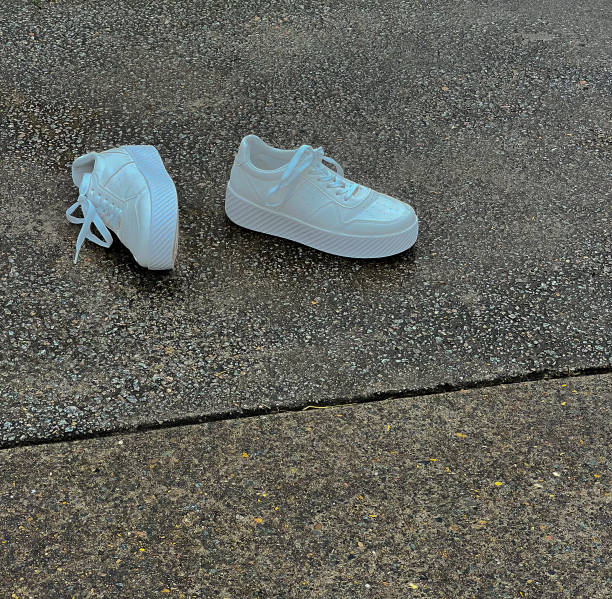
The thrill of the hunt is a feeling known well to any dedicated sneaker enthusiast. It is not the sterile, predetermined click of a checkout button during a bot-dominated release. It is the primal, dusty satisfaction of digging through a pile of forgotten goods in a secondhand store, the quiet victory of spotting a worn-in silhouette peeking out from a jumbled rack. In an era of endless limited editions and hyper-consumerism, the thrifted sneaker offers a radical, sustainable alternative that is simultaneously deeply personal and profoundly stylish. Building a wardrobe around pre-loved sneakers is not about settling for less; it is about curating a collection with a soul, a history, and a significantly smaller environmental footprint.
The environmental toll of the footwear industry is staggering. The production of a single pair of sneakers can generate upwards of thirty pounds of carbon dioxide, and with millions of pairs ending up in landfills each year, the cycle of buy, wear, and discard is no longer sustainable. Thrifting breaks this chain. By choosing a secondhand pair, a consumer is directly diverting waste from a landfill and negating the need for new materials, energy, and shipping that a brand-new pair requires. This single act is the most powerful statement one can make in sustainable fashion. It rejects the notion that newness is the only source of value and embraces a circular economy where objects have multiple lives.
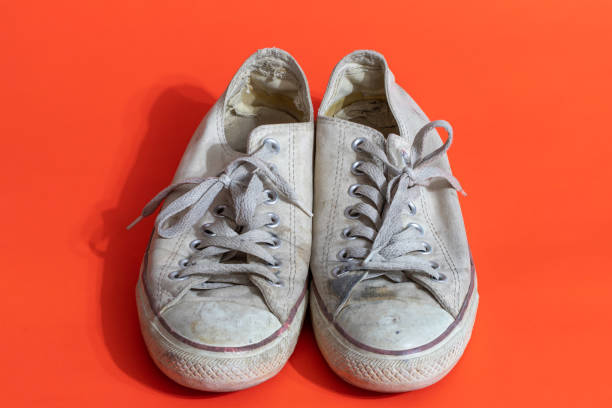
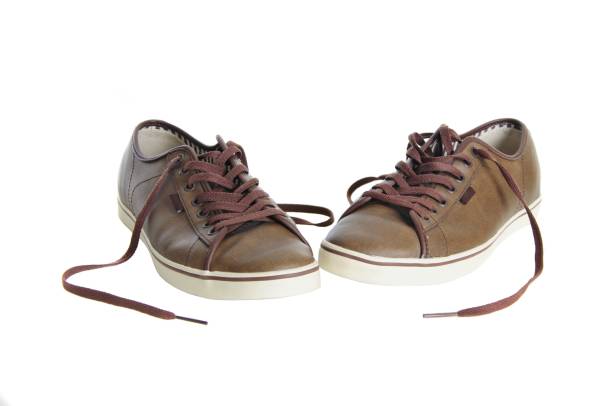
Beyond the ethical imperative, there is an undeniable aesthetic magic to a thrifted sneaker. A fresh-out-of-the-box pair is a blank slate, but a worn-in pair tells a story. The subtle creasing on a leather toe box, the gentle yellowing of a white midsole, the faded color of a canvas upper—these are not imperfections to be remedied but marks of character. They speak of previous journeys, of city streets walked and concerts danced at. This patina is impossible to replicate and adds a layer of depth and authenticity to any outfit that a pristine pair simply cannot provide. It grounds the look in reality, making it feel lived-in and effortless rather than staged and manufactured.
Styling a thrifted sneaker wardrobe requires a shift in perspective from chasing trends to celebrating texture, shape, and color. The goal is not to match your shoes to your outfit but to have them exist in a state of harmonious contrast. Consider a pair of scuffed, dark brown Timberland boots found at a charity shop. They are heavy and workwear-inspired. Pair them with a light, flowing linen dress and a chunky knit cardigan. The roughness of the boots grounds the softness of the dress, creating a balanced, interesting silhouette that is both feminine and rugged. Or imagine a pair of vintage Reebok Club C’s, their white leather now a soft, warm cream color. They become the perfect anchor for a monochromatic outfit of faded black denim and a slouchy grey cashmere sweater. The slightly yellowed sole becomes a deliberate design choice, adding a vintage warmth to an otherwise stark look.
The hunt itself also offers a lesson in personal style. It forces a departure from algorithmic suggestion and brand hype. You cannot simply search for “the most popular sneaker of the season.“ Instead, you must rely on your own eye. You learn to judge a shoe by its silhouette, its material quality, and its potential. This process fosters a deeper connection to your clothing. Each thrifted find feels like a discovery, a testament to your unique taste. This way of dressing is inherently anti-fast-fashion. It values longevity over novelty, and individuality over conformity.
To truly master the thrifted sneaker wardrobe, one must also master the art of care. A thorough cleaning is the first step to integrating a pre-loved shoe into your rotation. A gentle scrub with saddle soap for leather, or a careful soak for canvas, can bring a forgotten gem back to life. For a smellier pair, a baking soda treatment or a spritz of a specialized deodorizer is essential. This act of care is a commitment. It acknowledges that you are now the steward of this object, adding your own chapter to its history. Invest in a good shoe tree to maintain shape and waterproofing spray to protect your finds from the elements. This maintenance extends the life of the shoe, honoring the sustainability principles that led you to thrift it in the first place.
Ultimately, building a sustainable sneaker wardrobe through thrifting is a rewarding practice that challenges the consumerist impulses of sneaker culture while celebrating its core values of individuality and appreciation for design. It is a statement that style does not require a price tag or a new factory. It requires an open mind, a sharp eye, and a willingness to find beauty in the worn, the forgotten, and the imperfect. Each thrifted pair is a small rebellion against waste and a quiet testament to the enduring power of a well-made shoe. It is not just a step forward in fashion; it is a step forward for the planet.
Articles