The Aftermarket Clock: Mastering the Buy and Sell Windows for New Drops
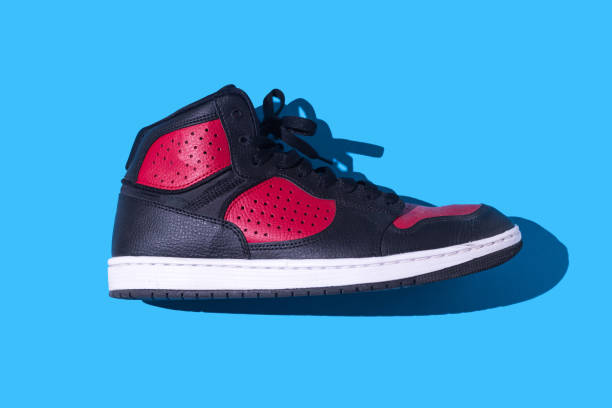
In the high-stakes arena of sneaker collecting, timing isn’t just everything—it’s the only thing. The moment a new hyped model flashes on the release calendar, a parallel aftermarket economy kicks into gear, governed by its own ruthless rhythms. Understanding this clock is the difference between securing a grail for a relative steal and watching your investment collect dust. This is not about luck; it’s about strategy. Let’s cut through the noise and break down the critical windows for buying and selling new drops.
The first rule is to recognize the predictable post-drop price plunge. Immediately following a release, especially a large one, the market floods with pairs from successful raffle winners and bot operators looking for a quick flip. This saturation typically causes resale prices to hit their lowest point between 24 to 72 hours after the drop. For the buyer with patience, this is your primary entry window. Monitor the major platforms as the initial frenzy dies down; this is when panic sellers undercut each other to secure immediate cash. Your goal here is to strike after the initial wave but before the market corrects and inventory begins to consolidate.
Conversely, if you are the one who hit on a pair with the intent to sell, selling in this immediate window is often a mistake unless the hype is truly astronomical. You are competing at the lowest price point. The smarter play, for models with sustained demand, is to hold. After the initial flood dries up, prices almost always rebound. This “settling period” sees prices climb steadily over the following weeks as pairs are worn, stored in collections, or listed at higher prices by resellers playing the long game. The sell window here is fluid but often peaks weeks or even a month or two post-drop, once the readily available supply has dwindled but cultural buzz remains.
However, this standard cycle has exceptions that demand a different tempo. For truly monumental, low-supply collaborations or retro grails, the immediate post-drop price might be the lowest it will ever be. In these cases, hesitation can be costly. Buying may require acting fast, even at a premium, if indicators suggest a relentless upward trajectory. For the seller of such a pair, the calculus changes too. You can often command a premium immediately from impatient buyers, but holding could yield a significantly greater reward as the pair becomes legend. This requires a deep read of the model’s cultural cachet and historical performance.
Beyond the initial cycle, the long-term aftermarket is dictated by external factors. Restocks are the great reset button; any rumor or confirmation of a re-release will cause resale prices to tumble. The savvy buyer watches for these rumors to spook sellers. Conversely, a celebrity sighting, a pivotal moment in sports, or the simple passage of time turning a new drop into a vintage item can all trigger a price surge. This is where the “hold for years” strategy pays off for sellers, transforming a quick flip into a blue-chip asset.
Ultimately, mastering aftermarket timing is about rejecting impulse and embracing data. It requires monitoring release calendars not just for drop dates, but for understanding supply. It means reading reviews and community sentiment to gauge genuine demand versus manufactured hype. The Sneakerholic philosophy connects these dots—from the history that creates hype to the care that preserves value. In the end, the most powerful tool isn’t a bot; it’s a calibrated sense of time. Know the windows, understand the triggers, and execute with discipline. The market waits for no one.
Articles