The Art of Transitioning Sneaker Colorways from Spring Pastels to Fall Earth Tones
The sneaker world is a living calendar, its pages turned not by dates but by pigment. As the season shifts from the dewy optimism of spring to the grounded introspection of autumn, the colors that wrap our feet change accordingly. For the sneaker enthusiast, mastering this transition is less about discarding old pairs and more about learning the visual language of layering, contrast, and emotional resonance. The journey from pastel to earth tone is not a hard break; it is a gradual conversation between light and texture.
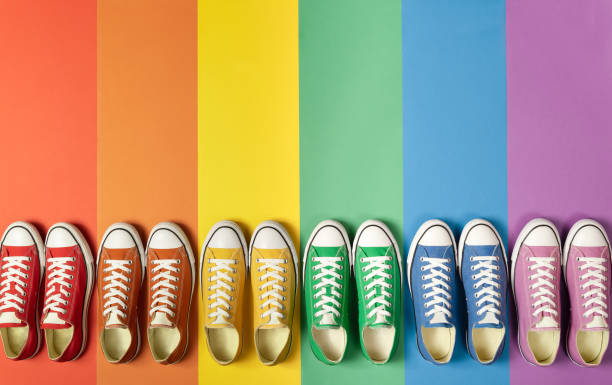
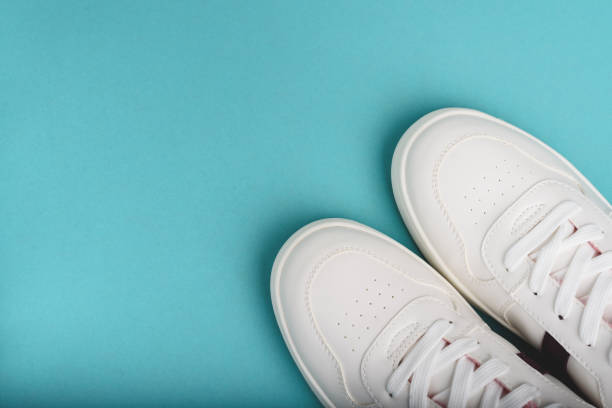
Spring sneakers are a celebration of softness. Think of the way morning light filters through cherry blossoms, casting a blush of pink, lavender, mint, and buttercup yellow onto concrete. These hues feel airborne, weightless, and they demand fabrics that breathe—mesh, canvas, and smooth leather in matte finishes. The iconic New Balance 574 in pale teal or the Adidas Gazelle in dusty pink become anchors for outfits that are deliberately understated. A pastel sneaker works best when it is the loudest element in a quiet composition: a white linen dress, faded blue denim, a cream cotton sweater. The trick with pastels is to avoid matching them exactly. Instead, let the shoe introduce a single note of color that echoes the sky or a flowering branch, never competing with the wearer’s face. These colors are optimistic but fragile; a scuff on a mint sneaker feels like a betrayal of the season’s innocence.
As the calendar turns, so does the palette. Fall earth tones arrive not as a rejection of spring but as its mature echo. Olive, rust, caramel, burnt sienna, and charcoal are not mere substitutes—they are the same energy slowed down, deepened, and stained with memory. Where pastel sneakers float, earth tones anchor. A pair of Nike Air Force 1s in taupe suede or a Jordan Retro in dark brown leather feels like solid ground underfoot. These colors pair naturally with the heavier textures of autumn: corduroy, wool flannel, waxed cotton, and raw denim. The beauty of earth tones is their mutual compatibility. An olive sneaker can sit comfortably between a chocolate brown coat and tan chinos without clashing, because all these shades share a common origin in soil, bark, and leaf. The palette creates a system of echoes rather than contrasts, allowing the wearer to build depth through tonal variation.
The real artistry lies in the transition itself—the six-week window between late August and early October when the heat of summer still clings but the light begins to slant. This is the moment to mix pastels and earth tones deliberately. A pair of lavender sneakers can be grounded by a rust-colored corduroy pant, the pink softening the earthiness while the rust gives the pastel a weight it lacked in spring. Similarly, a mint sneaker finds unexpected harmony with a deep olive field jacket, the green of the shoe echoing the green of the jacket but at a different frequency. The key is to let the pastel serve as a memory of warmth, a nod to the fading season, while the earth tones prepare the eye for winter’s austerity. This contrast works because both families belong to the same natural world—pastels are the first blush of a bud, earth tones are the last color before the leaf falls.
Material choice amplifies this transition. Spring pastels thrive on smooth, reflective surfaces that catch the high sun and throw it back. Fall earth tones demand nap, grain, and texture. Suede in caramel works because it absorbs light rather than reflects it, creating a soft, dusty finish that mirrors the atmosphere of October. When a pastel shoe reappears in autumn, it should ideally be in a brushed leather or a textured knit, not a high-gloss patent. The finish tells the story of the season’s change. A matte pastel feels autumnal; a glossy one feels stuck in June.
Collector culture reinforces these cycles. Hall of Fame models like the Air Max 90 or the Asics Gel-Lyte III are often reissued in seasonal colorways that are explicitly designed for this shift. A “Pink Blush” Air Max from spring is immediately recognizable as a warm-weather silhouette, while a “Coyote” or “Olive Drab” version from the same model becomes a fall staple. Savvy collectors build rotations that honor both extremes but also leave room for hybrid pairs—shoes that feature a pastel base with earth-tone accents, or vice versa. These are the true transitional tools, allowing the wearer to maintain a single pair through the seasonal boundary without looking out of sync.
Ultimately, the movement from spring pastels to fall earth tones is a reminder that color is not decoration but narrative. It tells where we are in the year, how we feel about the light, and what textures we want against our skin. A sneaker rotation that respects this arc is not merely fashionable—it is attuned to the rhythm of the natural world. The pastel speaks of beginnings, of freshness and possibility; the earth tone speaks of endurance, of roots and quiet strength. Walking from one into the other is the simplest, most elegant way to mark time.
Articles