
The Breath of Fresh Air: Why a Ventilation Score is Crucial for Sneaker Buyers
In the intricate dance of purchasing the perfect pair of sneakers, buyers often pirouette around metrics like cushioning, traction, and aesthetics. Yet, one critical performance indicator frequently remains in the shadows: the ventilation score. This specialized measurement, which assesses a shoe’s ability to facilitate airflow and manage moisture, is far from a mere detail for the niche athlete. For any discerning sneaker buyer, understanding and prioritizing ventilation is a fundamental step toward ensuring comfort, health, and long-term value, transforming a simple purchase into an informed investment in foot well-being.
At its core, ventilation is about physiological necessity. The human foot houses approximately 250,000 sweat glands, capable of producing a significant volume of moisture daily. When confined within a poorly ventilated shoe, this moisture has nowhere to go, creating a warm, damp environment akin to a petri dish. This is not merely a matter of discomfort; it is a precursor to tangible podiatric issues. Prolonged exposure to dampness softens the skin, making it susceptible to painful blisters, abrasions, and conditions like athlete’s foot. A shoe with a high ventilation score actively works to expel this humid air and draw in drier, cooler air from the outside, maintaining a healthier microclimate for the foot. This continuous exchange is the first line of defense against the irritations and infections that can sideline an active lifestyle, making ventilation a non-negotiable aspect of functional footwear.
Beyond basic health, the ventilation score is a direct arbiter of all-day comfort and performance, which is paramount whether one is running marathons or navigating urban landscapes. Thermal regulation is a key component of endurance. Overheated feet lead to swollen, fatigued appendages, which can drastically reduce efficiency and enjoyment during activity. A well-ventilated shoe acts as a thermal regulator, preventing heat from becoming trapped and allowing the body’s natural cooling mechanisms to function effectively. This means feet stay cooler, drier, and more comfortable over extended periods, whether during a summer hike, a long shift at work, or a day of travel. The absence of that clammy, suffocating feeling allows the wearer to focus on their activity rather than the distraction of their own footwear, elevating the entire wearing experience from tolerable to exceptional.
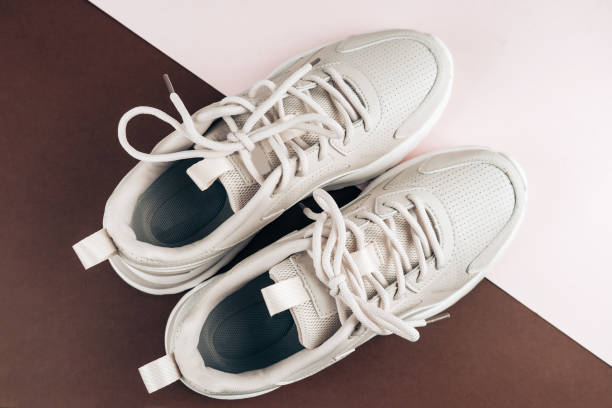
Furthermore, a strong ventilation score intrinsically contributes to the durability and longevity of the sneaker itself. Persistent internal moisture is a relentless enemy of shoe integrity. It breaks down adhesives, promotes the growth of odor-causing bacteria that degrade materials from within, and can lead to the premature cracking of synthetic components or the rotting of natural fabrics. A shoe designed with strategic mesh panels, perforations, or advanced breathable membranes not only protects the foot but also protects its own structural integrity. By allowing moisture to escape, the interior materials dry faster and are less prone to the cyclical damage caused by constant dampness. Consequently, a sneaker that breathes well is likely to maintain its form, function, and freshness far longer than its airtight counterpart, offering the buyer greater value for their investment over time.
In conclusion, while the allure of a sneaker often lives in its silhouette or its innovative cushioning system, the ventilation score is the unsung hero of practical ownership. It sits at the intersection of health, comfort, and durability, addressing the fundamental biological needs of the foot while enhancing the shoe’s performance and lifespan. For the modern sneaker buyer, moving beyond superficial aesthetics to consider this technical metric is an act of informed consumerism. It is an acknowledgment that true comfort is built from the inside out, beginning with the simple, essential freedom to breathe. In a market saturated with choices, prioritizing ventilation is ultimately a step toward ensuring that one’s footwear is a source of support, not a cause of distress.
Articles