
The Chemistry of Yellowing: Why Sneaker Soles Turn Color and How to Reverse It
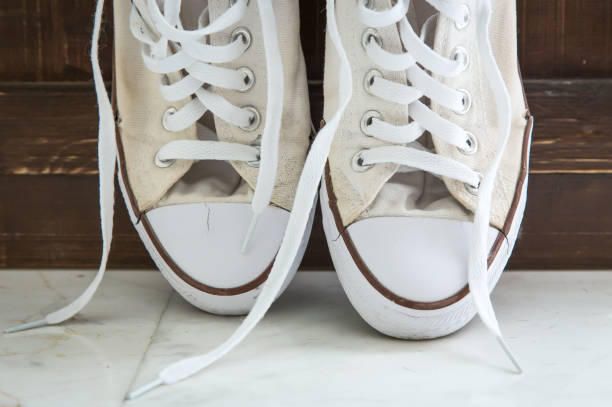
Every sneaker enthusiast has faced the heartbreak of pulling a pristine pair of white-soled shoes from the box only to discover, months or years later, that the once-bright rubber has taken on a sickly yellow or amber hue. This phenomenon is not a manufacturing defect nor a sign of poor quality—it is a predictable chemical reaction that occurs when certain polymers in shoe soles interact with oxygen, ultraviolet light, and heat. Understanding the science behind yellowing is the first step toward effective restoration, and knowing which whitening techniques actually work can save collectors from ruining their most treasured pairs.
The primary culprit behind sole yellowing is oxidation. Most sneaker soles are made from either ethylene-vinyl acetate, polyurethane, or natural rubber compounds. These materials contain long polymer chains that, under normal conditions, remain clear or white. However, when exposed to oxygen over time, the polymers undergo a process called auto-oxidation. This reaction creates chromophores—molecular structures that absorb specific wavelengths of visible light and reflect yellow or brown tones. Ultraviolet radiation accelerates this process dramatically because UV photons carry enough energy to break polymer bonds, creating free radicals that initiate chain reactions of oxidation. Heat compounds the problem by increasing molecular motion and reaction rates, which is why sneakers stored in attics, cars, or near radiators yellow much faster than those kept in cool, dark closets.
Different sole materials respond to oxidation in distinct ways. Polyurethane, common in many performance sneakers from the 1990s and early 2000s, is especially prone to a phenomenon called hydrolysis—a reaction with moisture that causes the material to crumble and yellow from within. This is why vintage polyurethane midsoles often disintegrate entirely when compressed, leaving collectors with no option but full sole swaps. Natural rubber, found in Converse Chuck Taylor soles and some retro releases, yellows more slowly but develops a deep, uneven tan that resists many chemical whiteners. Ethylene-vinyl acetate, used in modern foamy midsoles, tends to yellow uniformly and responds best to light-based and peroxide treatments.
The most effective and widely recommended method for reversing yellowing is the use of hydrogen peroxide combined with ultraviolet light, often called the “Salon Care 40” method after a popular hydrogen peroxide cream used in hair salons. The chemistry is straightforward: hydrogen peroxide breaks down into water and oxygen radicals when exposed to UV light. These oxygen radicals are highly reactive and can attack the chromophores that cause yellowing, effectively bleaching the polymer back toward its original clear or white state. To perform this technique, the sneaker sole is covered in a thick layer of hydrogen peroxide cream, then sealed in a clear plastic bag to prevent drying and placed in direct sunlight for several hours. The sun provides the UV energy needed to activate the peroxide, and the plastic bag creates a greenhouse effect that keeps the chemicals active. After four to six hours, the cream is washed off, and the sole often appears significantly whiter.
However, this method has important limitations. It works best on polyurethane and ethylene-vinyl acetate soles that have yellowed from surface oxidation rather than deep chemical degradation. Natural rubber does not respond as well because its yellowing often comes from sulfur-based cross-linking agents used during vulcanization, which peroxide cannot easily reverse. Overuse of hydrogen peroxide can also dry out the rubber, causing cracking or brittleness over time, so moderation is critical. Another common technique involves using a mixture of baking soda, vinegar, and dish soap to create a gentle abrasive paste, but this only removes surface stains and grime, not the chemical yellowing within the material itself.
For deep or stubborn yellowing, some collectors turn to professional-grade solutions like liquid hydrogen peroxide baths, where the entire sole is submerged in a 12 percent solution and exposed to UV lamps for twelve to twenty-four hours. This approach requires careful monitoring because prolonged exposure can weaken the bond between the sole and the upper. There are also commercial “ice” or “de-yellowing” kits that rely on similar oxidative chemistry but include stabilizers to protect the rubber. The most permanent solution, though, is a sole swap, where the yellowed midsole is removed and replaced with a brand new or donor sole. This is the only method that fully restores the sneaker to its original color, but it requires advanced skill and access to matching materials.
Prevention remains the best strategy. Storing sneakers in a cool, dark, dry environment, ideally inside an opaque box with silica gel packets to absorb moisture, can slow oxidation significantly. Applying a UV-protectant spray designed for rubber surfaces can also help, though its effectiveness diminishes over time. Some collectors wrap their white-soled sneakers in acid-free tissue paper to reduce direct contact with oxygen. At the end of the day, yellowing is an inevitable consequence of the materials we love, but with a solid understanding of the chemistry involved, the dedicated sneakerhead can keep even the oldest soles looking crisp and clean.
Articles