
The Chuck Taylor All Star and the Making of Basketball’s First Iconic Shoe
When basketball emerged in the late nineteenth century, it was a game without a shoe. Players ran on polished gym floors in leather boots, dress shoes, or whatever sturdy footwear they owned. Those shoes were built for walking, not for cutting, pivoting, jumping, and stopping. The game’s rapid lateral movement exposed every weakness in ordinary soles. Early basketball needed something lighter, grippier, and more supportive. That need set the stage for a partnership between a sport and a brand that would define both for decades.
Converse answered with the All Star in 1917. The shoe used a canvas upper, a rubber vulcanized sole, and a high-top cut that wrapped the ankle. It was not an expensive performance marvel by modern standards, but it was a revelation for its time. The rubber sole gripped wooden courts better than leather. The canvas upper was flexible and breathable. The high top offered a sense of stability during quick stops and jumps. Most importantly, the All Star was affordable and mass-produced, making specialized athletic footwear available to ordinary players.
The shoe might have remained a quiet gym staple without Chuck Taylor. A basketball player and salesman, Taylor joined Converse in the early 1920s and became the face of the All Star. He traveled the country, running clinics, talking to coaches, and listening to players. He brought feedback back to the design table. The ankle patch, reinforced toe, and improved sole were shaped by real court experience. In 1934, his signature was added to the shoe, and the Chuck Taylor All Star was born.
Taylor did more than endorse a product. He helped build basketball culture. His clinics taught fundamentals and spread the game to high schools, colleges, and amateur leagues. The shoe became part of that instruction. By the 1936 Berlin Olympics, the United States basketball team wore Chuck Taylors. During World War II, the shoe served physical training. After the war, as professional basketball organized into the NBA, Converse became the league’s official shoe. For a generation, the Chuck Taylor was not one option among many. It was the option.
By the 1950s and 1960s, Converse dominated the market. Early professional stars, including George Mikan and Bob Cousy, were associated with the brand. Converse released low-top versions of the Chuck Taylor All Star, giving players more freedom of movement around the ankle. The shoe appeared in Olympic games, college tournaments, and playgrounds. It became a common language for players across levels. A kid in a driveway and a professional in a packed arena could wear the same canvas shoe. That democratic quality was central to its rise. It was not luxury equipment. It was a tool for anyone who wanted to play.
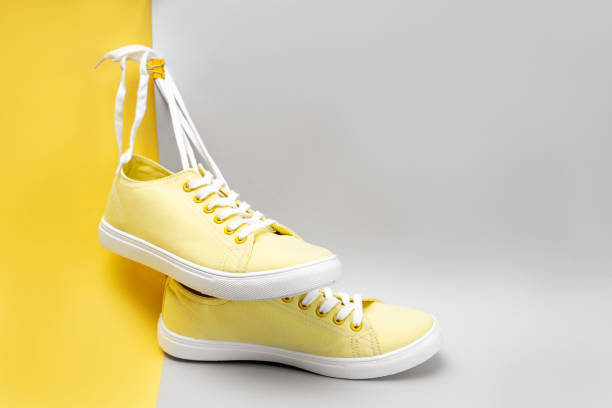
The design was simple, but its details mattered. The white rubber toe cap protected against scuffs and drag. The canvas upper allowed ventilation during long games. The ankle patch carried the Chuck Taylor name and the Converse star, turning the shoe into a recognizable badge. The high-top silhouette became synonymous with basketball itself. Teams ordered them in matching colors. Players wore them until the soles wore thin. The shoe was functional, durable, and deeply connected to the emerging identity of the sport.
As basketball evolved, so did footwear. Leather uppers, cushioned midsoles, and specialized traction patterns eventually surpassed canvas and rubber. Other brands entered the market with lighter, more technical designs. Yet the Chuck Taylor remained a foundational reference point. It marked the moment when athletic shoes stopped being generic and started being sport-specific. It also showed how an athlete’s name could become a brand, long before modern endorsement deals. The shoe turned a player into a storyteller and a product into a piece of sports history.
The Chuck Taylor All Star later crossed from courts to streets, becoming a staple of casual fashion, music, and youth culture. That afterlife can obscure its origin. The shoe was born from basketball’s need for grip, support, and identity. Converse and Chuck Taylor met that need with a canvas high-top that carried the game through its formative decades. The birth of basketball did not just create a sport. It created a shoe that helped define how the sport looked, moved, and remembered itself.
Articles